How to Plan a Solo Trip as a Woman (Without Getting Overwhelmed)

Planning your first solo trip as a woman can feel like trying to pack your whole life into one tiny carry-on. Exciting, but also slightly chaotic. This guide will help you have clarity and a plan that feels doable.
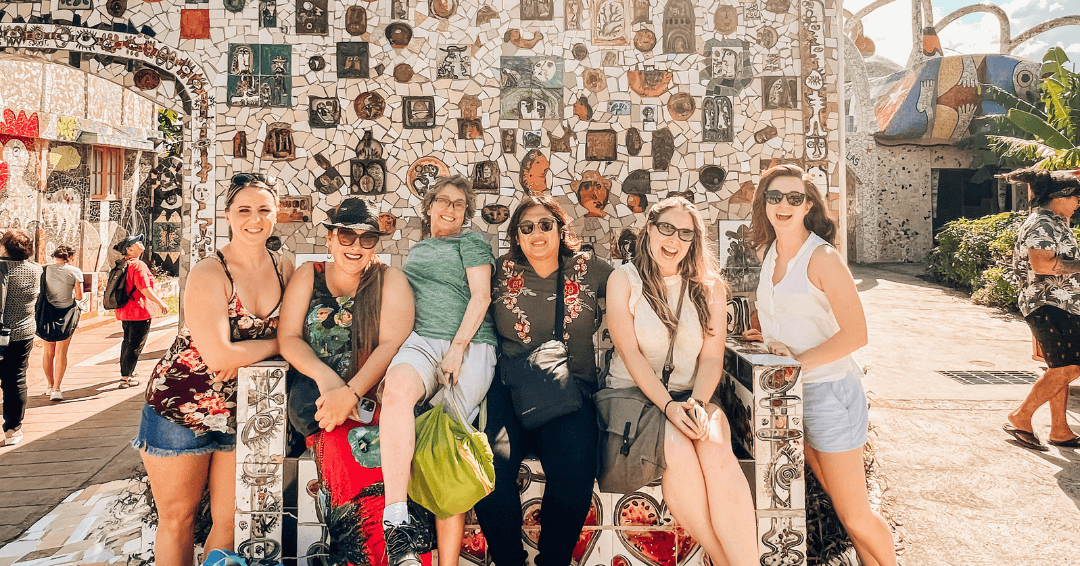
Roaming around Cuba

Every woman dreams of taking herself somewhere beautiful. A new city, a new language, maybe a new version of herself. Then the planning starts, the overwhelm hits, and suddenly the idea feels harder than it should be. It is normal. Every solo female traveler you admire began in the same place.

This guide breaks it all down in a way that feels grounding rather than stressful. It speaks to the logistics and the emotional part, because both matter. By the end, the next step will feel obvious and lighter than you expect.


Haven’t picked where to go yet? Start with our guide to choosing your first solo travel destination, then come back here for the rest.

How to Plan Your First Solo Trip as a Woman

Your first solo trip does not need to be the most exotic place on your bucket list. It simply needs to feel right for where you are in your life.

Start With Your Travel Personality

Some women love slow mornings in coastal towns. Others want markets, mountains, and a little bit of chaos. The best destination for your first solo trip is the one that fits your natural rhythm.

The right destination feels like a place your nervous system can relax into.

Use Trusted Communities for Inspiration

Online groups like the Solo Female Traveler Network offer real stories from women who have already done the trip you are dreaming about. You can read their insights and find destinations that consistently feel good for first-timers.

But dangerous? Not in the way your fear is imagining.

Morocco tour travel for solo women
Watching the Sun Rise in Morocco

Is Your Destination Safe for Solo Female Travelers

Safety is not about fear. It is about clarity. When you understand how a place works, you move through it with more confidence and less mental noise.

Look for Patterns, Not Scary Headlines

News headlines are designed to shock. Community experiences are designed to inform. Search for what women say about safety in actual practice. Look at cultural norms, common scams, walking culture at night, and general behavior toward women.

Understanding the vibe of a place matters more than memorizing every possible risk.

Learn Basic Navigation and Neighborhood Layouts

Every city has pockets that feel welcoming and pockets that feel chaotic. Learning the basics ahead of time helps everything feel smoother once you land.

SoFe in Tanzania Safari Hot air Balloon Ride
Hot Air Balloon Ride Over the Serengeti in Tanzania

How to Create a Realistic Solo Travel Budget as a Woman

Your first solo trip is not the time to pinch every coin so tightly that you forget to enjoy yourself. Plan a budget that feels responsible, but still gives you breathing room.


Break Your Budget Into Three Buckets

  1. Non-negotiables like accommodation and transport.

  2. Daily comfort like food, coffee, and experiences.

  3. Your joy fund for unexpected adventures.

Use Simple Tools That Prevent Stress


Google Sheets, Notion templates, or a printed budget planner help you stay organized without overthinking.

How to Plan an Itinerary for Your First Solo Trip

A solo trip should feel spacious. Not like a boot camp.

Build Your Days Around Anchors

Choose one main activity for the day and let everything else orbit around it. It keeps your schedule open, calm, and spontaneous.

Solo travel works best when it leaves room for surprises.

Mix Iconic Spots With Slow Discoveries

For every big attraction, add something small and grounding. A quiet café. A local market. A scenic walk. This keeps your trip from feeling like a checklist.

Morocco leaders on rooftop bar in Marrakech
Chilling at the rooftop bar of our riad in Morocco

Best Accommodation Options for Solo Female Travelers

Accommodation sets the emotional tone of your whole trip. Choose a place that feels safe, social enough if you want it, and peaceful if that is your vibe.


Women-Focused or Highly Rated Guesthouses

These spaces tend to attract more mindful travelers and offer a sense of community.


Hostels With Private Rooms

You get the best of both worlds. Connection when you want it. Privacy when you need it.


Stay Connected to a Trusted Community

SoFe’s global community often shares hotel recommendations, neighborhood insights, and women-owned stays that feel secure and warm.

India Solo Female Network Tour
Tuktuk Ride in India

How to Get Around Safely as a Solo Female Traveler

Moving through a new place on your own can feel intimidating until you understand the basics.

Research the Local Transport Culture

Some cities are built for walking. Some rely heavily on metro lines. Some require rideshares to feel comfortable.

Knowing this ahead of time removes 80 percent of the stress.

Stick With What Feels Secure

Use licensed taxis or known ride apps. Avoid unmarked cars. Confirm prices before getting in if haggling is common in that region.

dollmaking turkey
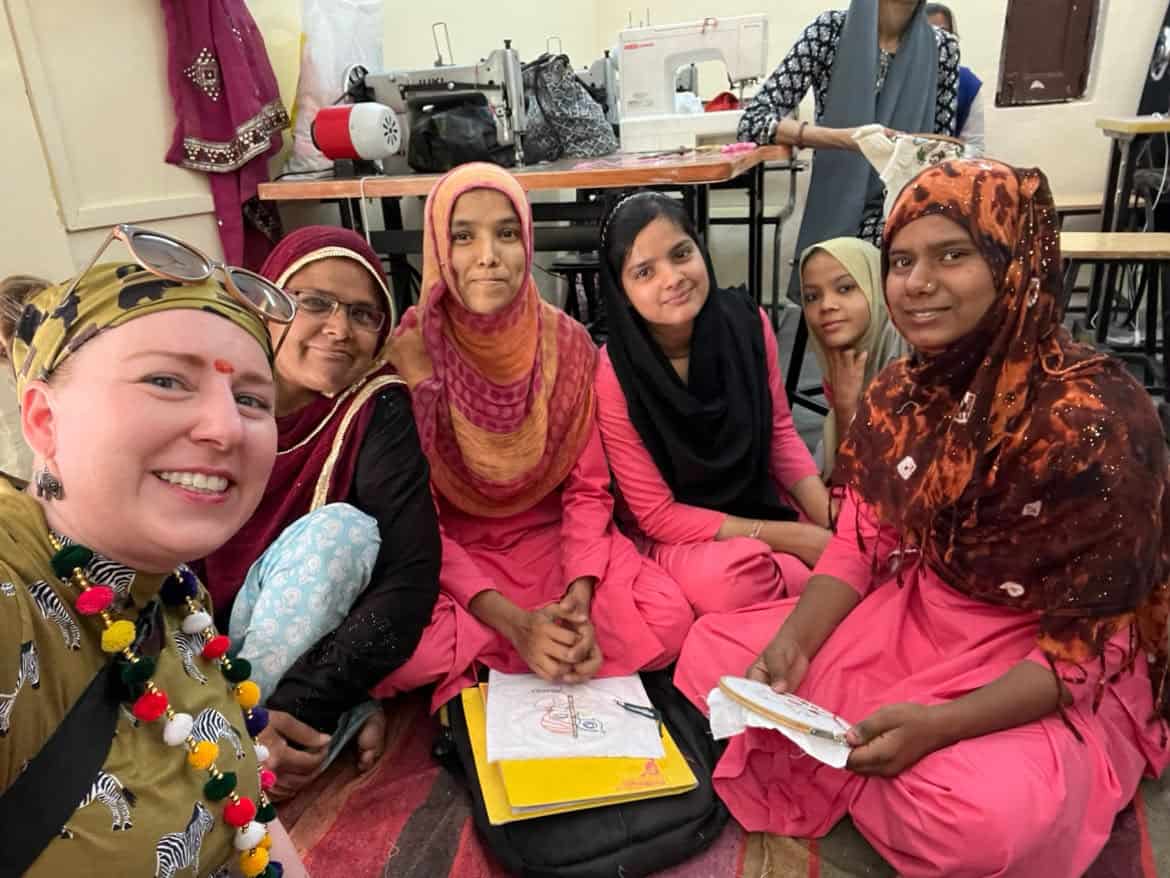
Doll Making Workshop with Local Women in Turkey

Cultural Etiquette Tips Every Solo Female Traveler Should Know

Understanding social norms helps you blend in and move with more ease.


Learn the Polite Basics

Greetings, dress expectations, and personal space norms vary across cultures. Even five minutes of learning can shift how locals treat you.


Confidence Reads as Respect

Standing tall, making decisions clearly, and acting like you know where you are going, even when you do not, can dramatically change the energy around you.

When to Travel and What to Pack for a Solo Trip as a Woman

Your packing list should not feel like a survival challenge. Think comfort, versatility, and confidence.


Pack Clothing That Honors the Culture

In conservative areas, light layers help you stay respectful without overheating.


Bring Items That Make You Feel Grounded

A familiar scarf. A small journal. Something that feels like home when you need it.

When you feel emotionally supported, you travel smarter.

Exploring Marrakesh Market

Why Many Women Add a Group Tour to Their First Solo Trip

A hybrid trip is one of the smartest choices for first-time solo women.
You get independence plus a built-in support system.


Why Many Women Start With a Group Tour

It removes logistical stress, helps you meet friends, and gives you an easy landing in a new place.


Finding Women-Only Tours That Feel Safe and Community Driven

SoFe Travel specializes in exactly this. Small groups, vetted guides, and destinations that feel meaningful.

A group tour does not replace solo travel. It simply makes the journey smoother.

Sunset Yoga in Lebanon

FAQ: Planning a Solo Trip as a Woman

1. How to plan a solo trip woman?

Choose a manageable destination, research safety, plan a simple itinerary, pick secure accommodation, and give yourself room to enjoy the experience.


2. Is solo travel safe for women?

Yes. Most safety concerns can be managed with situational awareness, understanding cultural norms, and choosing accommodations and neighborhoods that feel welcoming.


3. Where should women stay on their first solo trip?

Women often feel most comfortable in highly rated guesthouses, women-focused stays, or hostels with private rooms.


4. How many days should a first solo trip be?

Five to ten days is ideal. Long enough to settle in and short enough to stay balanced.


5. Is joining a group tour helpful for first-time solo travelers?

Yes. It can ease logistics, build community, and offer a safe introduction to a new destination.

Yes, You’ll Cry Once. No, It Doesn’t Mean You’re Not Meant for Solo Female Travel

At some point on your trip, the emotions will catch you by surprise and spill over. That moment is not a sign that you made a mistake. It is the moment you are becoming a more grounded, confident, and self-aware traveler. Let’s talk about why your first solo travel tear is actually a turning point.

women only tour Sidon castle Lebanon
Wandering at Sidon Castle in Lebanon

There is a special kind of bravery in booking a solo adventure, packing for it, showing up, and then living it. And somewhere along the way, usually when you least expect it, your feelings rise up and make themselves known. Maybe you are exhausted. Maybe you are overstimulated. Maybe the world around you is louder, brighter, and more unfamiliar than anything you have experienced. You hold your breath. You blink. And then the tears arrive anyway.

Here is the truth that every experienced solo woman knows. Crying once does not mean you are not meant for this. It simply means your body and mind are adjusting to the size of the experience you just stepped into. If anything, this first emotional moment is the threshold where the journey begins to shape you in the ways you hoped it would.

Why Solo Female Travelers Cry on Their First Trip

What Usually Triggers Your First Emotional Moment

You know how life loves to pile everything on at the same time? Travel is no exception. Jet lag, long layovers, new languages, complicated transportation, and the pressure to look confident even when you feel like a giraffe on roller skates can all build up. And sometimes it takes only one tiny moment to tip the scale. A taxi driver who does not understand what you are saying. A hostel room that does not quite feel right yet. A loud market when all you want is silence.

If this happens to you, especially in places where every sense is fully activated, like Morocco or India, you are not alone. Many women feel it too. And many of them still go on to fall in love with the same place that made them cry.

Your tears are proof that you care deeply about giving yourself a meaningful experience.

Why Crying Doesn’t Mean You Are Not Meant for Solo Travel

Crying does not equal failure. It equals recalibration. Your nervous system is adjusting to new surroundings, new stimulation, and new expectations. Your brain is sorting through information, and tears act like a release valve.

You are not overly emotional in reacting. You are processing. You are adapting. Your system is finding its balance. And once you cry, you often feel clearer, lighter, and more ready for what comes next.

Tears do not reflect your capability. They reflect your humanity.

Girl on aTV
ATV Ride in Egypt

The Psychology Behind Your First Solo Travel Breakdown

How Your Brain Reacts to New Environments

Your brain loves patterns, routines, and familiar cues. Solo travel throws every one of those out the airplane window the moment you land. When you step into a completely new environment, your senses work harder. Your brain processes faster. Your internal alarms stay slightly elevated until you settle in.

Tears are a very normal way your body helps you reset. They release tension. They lower stress. They make space for clarity. The moment they arrive, your system is saying, “Give me a second to catch up.” And once it does, things begin to feel easier.

Why You Process Emotion So Intuitively

You have emotional intelligence. You read your surroundings quickly and accurately. That sensitivity is not a weakness; it is one of your most important safety tools. Feeling things deeply helps you navigate wisely.

So yes, you might cry once because you are soaking in everything. But that same sensitivity will help you notice the street that feels safer, the person who feels trustworthy, the vibe that feels off, and the moment that feels magical.

women traveling on a group tour in Romania with The Solo Female Traveler Network
Walking Tour In Bucharest, Romania

How Your Vulnerable Moment Can Make You a Stronger Solo Female Traveler

How Your Tough Moment Turns Into Strength

Here is what most women never realize until it happens to them. That moment you cry is the exact moment you begin to build resilience. You may feel messy and overwhelmed for half an hour, but after you breathe, rest, or eat something warm, you usually feel a shift.

Suddenly, the world looks softer. The noise feels more like music. The city feels more accessible. Even the bench you cry on becomes part of the story you will tell one day. This is how your confidence grows. Not by pretending nothing affects you, but by getting affected and continuing anyway.

Your moment of overwhelm becomes the moment you begin to trust yourself.

How Community Makes Everything Lighter

Never underestimate the power of not being alone, even when traveling independently. A supportive group of women can change everything. They get it. They have been there. They will not judge your tears.

If you ever want to blend independence with connection, a SoFe group trip offers exactly that. Women often start in destinations like Japan or Ecuador, where culture, comfort, and community blend seamlessly.

Women group trip Morocco
Walking Through the Historical Ait Benhaddou in Morocco

Practical Ways to Handle Overwhelm as a Solo Female Traveler

Give Yourself a Soft Landing

You do not have to be the perfect traveler on day one. You do not have to explore everything immediately. You do not have to pretend you are not tired.
Give yourself permission to ease into your trip. A gentle start often prevents overwhelm.

Try these grounding rituals

  • Stay somewhere that feels secure and inviting.


  • Take a slow, simple walk around the neighborhood.


  • Eat something warm and familiar.


  • Listen to a song that makes you feel like yourself.


  • Watch the sunset and let your breath match its pace.


These small steps are not insignificant. They work because they help your nervous system stabilize.

Build Your Personal “Comfort Toolkit”

A solo traveler with a comfort toolkit is unstoppable. These small items offer emotional grounding when everything feels new. A cozy scarf that smells like home. A playlist that calms your heartbeat. A journal where you can spill your thoughts. A favorite tea bag tucked into your bag. These are tiny acts of self-rescue.

Lean Into Local Kindness

This part of your trip might surprise you the most. The world has far more kind people than scary ones. A shopkeeper who gives you directions. A stranger who points you to the right bus. A restaurant server who teaches you a new word.

In destinations like Turkey or Uganda, hospitality is woven into every part of daily life. If you want to experience that warm, heart-centered welcome, the Uganda adventure is a beautiful place to feel held by a community.

How Support and Community Can Transform Your Solo Travel Experience

You do not have to do everything alone if you do not want to. Choosing support is a smart, strategic, deeply self-loving move. A guided adventure gives you freedom without isolation. You get the independence you crave and the companionship you secretly miss. 

Support does not take away your independence. It strengthens it.

How This Emotional Moment Turns Into Your Solo Travel Transformation

The Confidence That Rises Afterward

One day soon, you will look back at your emotional moment and smile. You will see it as the beginning, not the breakdown. You will realize how it softened you, centered you, and showed you what you are capable of.

That small cry becomes the moment you crossed the invisible line between hoping you could travel solo and knowing you can.

The Stories You Will Carry Home

What stays with you is not the tears. What stays are the moments that follow. The sunrise that made everything worth it. The stranger who helped you without expecting anything back. The unexpected view on a random street corner that made you feel more alive than you have in years.

The moment you thought you were breaking was the moment you were being reassembled.

women only tour in india
Celebrating Holi in India

FAQs About Crying During Solo Female Travel

1. Is it normal if I cry on my first solo trip?
Yes. It is common, healthy, and strangely universal.

2. Does crying mean this is too hard for me?
No. It means you are adjusting. The adjustment period passes quickly.

3. How can I calm myself if I get overwhelmed?
Breathe slowly, ground yourself with comfort items, go somewhere peaceful, or talk to someone kind. Small actions shift everything.

4. Should I start with a group trip?
If you want connection and support while still being independent, it is a wonderful idea.

5. How long does it take to feel comfortable on a solo trip?
Usually, a day or two. Once your body settles, your confidence kicks in.

The Solo Female Traveler’s Ultimate Guide to Music Festivals

For most people, going to a music festival means dancing in a sea of strangers, chasing the bassline, and soaking up those once-in-a-lifetime moments. But if you’re a solo female traveler, it can also mean wondering: Will I be safe? How do I get there? Will it be weird being alone?

Deep breath. You’ve got this.

This guide is here to help you navigate the highs, the logistics, and everything in between—so you can fully step into the magic, joy, and wild freedom of festival life as a solo female.

From choosing the right event to staying safe and making lasting connections, we’ll cover everything you need to know to turn your festival dreams into a reality. Get ready to dance to your own rhythm, create unforgettable memories, and discover the incredible freedom that comes with experiencing live music on your terms.

Table of Contents

Why Solo? Embracing the Freedom of Festival Travel

Going solo to a music festival offers unparalleled freedom and self-discovery. You set your own schedule, choose every act, and truly immerse yourself in the moment. This autonomy fosters a deeper connection with the music and atmosphere, free from external distractions.

It’s an opportunity to step outside your comfort zone, build self-reliance, and experience profound empowerment. As Amanda Black, founder of The Solo Female Traveler Network, aptly puts it, “Solo travel isn’t just about seeing the world; it’s about discovering the strength and resilience within yourself.” Many solo female travelers find this journey leads to unexpected friendships, spontaneous adventures, and a newfound appreciation for their own company.

“Solo travel isn’t just about seeing the world; it’s about discovering the strength and resilience within yourself.”
— Amanda Black, The Solo Female Traveler Network

Safety First: Prioritizing Your Well-being

Your safety is paramount when traveling solo, especially to a bustling environment like a music festival. While the vast majority of festival-goers are there to enjoy the music and good vibes, it’s crucial to be prepared and aware. For more in-depth information on how The Solo Female Traveler Network prioritizes your well-being, visit our Your Safety Is Our Priority page. Here are essential safety tips to keep in mind:

Before You Go:

  • Research the Festival and Venue: Understand the layout, entry and exit points, medical stations, and security presence. Look for reviews or forums discussing safety at that specific festival. Some festivals are known for being more solo-traveler friendly or having dedicated safe spaces for women.
  • Share Your Itinerary: Inform a trusted friend or family member of your festival plans, including your accommodation details and expected return date. Check in with them regularly.
  • Emergency Contacts: Program emergency numbers into your phone and consider carrying a small card with essential contacts in case your phone is lost or dead.
  • Travel Insurance: Invest in comprehensive travel insurance that covers medical emergencies, theft, and trip cancellations. This is a non-negotiable for solo travel.
  • Pack Smart: Include a portable charger for your phone, a small first-aid kit, and any necessary medications. Consider a personal safety alarm for added peace of mind.

At the Festival:

  • Stay Aware of Your Surroundings: This is perhaps the most critical tip. Avoid distractions that make you less aware of what’s happening around you. Keep your head up and observe the crowd.
  • Guard Your Drink: Never leave your drink unattended, and only accept drinks directly from a bartender or a sealed container. Be wary of accepting drinks from strangers.
  • Pace Yourself: It’s easy to get caught up in the excitement, but excessive alcohol or substance use can impair your judgment and make you vulnerable. Stay hydrated and know your limits.
  • Know Your Exits: Familiarize yourself with the nearest exits from stages and crowded areas. In an emergency, knowing the quickest way out can be vital.
  • Trust Your Gut: If a situation or person feels off, remove yourself immediately. Your intuition is a powerful safety tool.
  • Secure Your Valuables: Use a fanny pack or a cross-body bag worn in front of you to keep your phone, wallet, and other essentials secure. Avoid carrying large amounts of cash.
  • Have a Meet-Up Plan: Even if you’re solo, it’s wise to designate a meeting point with a new friend or a festival staff member in case you get separated or lose phone service.
  • Utilize Festival Resources: Don’t hesitate to approach festival staff, security, or medical personnel if you feel unsafe or need assistance. They are there to help.

Planning & Preparation: Your Festival Checklist

Thorough planning is the key to a stress-free and enjoyable solo festival experience. Here’s a concise checklist to guide your preparations:

Accommodation:

  • Hostels: Ideal for meeting other travelers; check reviews for safety and cleanliness. 
  • Hotels/Airbnbs: For privacy, choose options close to the festival or with easy public transport access. Ensure the area is safe.
  • Camping: If camping, consider women-only areas or well-lit spots within general camping. Secure your belongings.

Transportation:

  • Book Early: Secure flights, trains, or buses well in advance for better prices and availability. Share travel details with a trusted contact.
  • Local Transport: Research public transportation (buses, subways, ride-shares) for safe travel to and from the festival, especially at night.

What to Pack:

  • Comfortable Footwear: Essential for long hours of walking and dancing.
  • Weather-Appropriate Clothing: Pack layers, including rain gear, to adapt to changing temperatures.
  • Secure Bag: A small backpack or fanny pack for essentials; choose one difficult for pickpockets to access.
  • Hydration: A reusable water bottle or hydration pack is crucial; utilize festival refill stations.
  • Sun Protection: Sunscreen, a hat, and sunglasses are vital.
  • Portable Charger: Your phone is your lifeline; a fully charged power bank is a must.
  • Basic First-Aid Kit: Include band-aids, pain relievers, antiseptic wipes, and any personal medications.
  • Earplugs: Protect your hearing, especially near speakers.
  • Cash: Useful for small purchases or in case of technical issues.
  • Identification: Carry a valid ID and a copy of your festival ticket.
  • Toiletries: Travel-sized essentials, hand sanitizer, and wet wipes.

Choosing the Right Festival: Finding Your Perfect Vibe

Not all music festivals are created equal, and choosing the right one is crucial for a positive solo experience. Consider these factors when making your decision:

  • Genre and Vibe: Are you into electronic dance music, rock, folk, or something else entirely? Research the festival’s musical lineup and overall atmosphere. Some festivals are known for their laid-back, community-oriented vibe, while others are high-energy party zones. For example, if you’re looking for a more intimate and community-focused experience, a smaller, genre-specific festival might be a better fit than a massive mainstream event. 
  • Size and Location: Larger festivals can be overwhelming when you’re alone, while smaller ones might offer a more manageable and friendly environment. Consider the festival’s location – is it easily accessible by public transport? Is it in a city or a more remote area?
  • Reputation for Safety: Look for festivals with a strong track record for safety and good organization. Read reviews from other solo female travelers if possible. Some festivals have dedicated initiatives to promote safety and inclusivity.
  • Amenities and Services: Does the festival offer amenities that cater to solo travelers, such as designated quiet zones, charging stations, or well-maintained restrooms? What kind of food and drink options are available?
  • Community and Inclusivity: Some festivals actively foster a sense of community and welcome solo attendees. Look for events that promote a positive and inclusive atmosphere, where you feel comfortable being yourself and potentially meeting new people. Whether you’re going to Tomorrowland, Coachella, or Summers Last Dance, use these tips to make the most of your solo festival adventure.

Making Connections: Solo Doesn't Mean Alone

One of the most rewarding aspects of solo festival travel is the opportunity to meet new people and forge unexpected connections. While you might arrive alone, you certainly don’t have to stay that way. Here’s how to make friends and build a temporary festival family:

  • Social Accommodation: Hostels are great for meeting like-minded travelers; many organize pre-festival meetups.
  • Online Communities: Join Facebook groups or Reddit threads for solo festival-goers to connect and find buddies. The Solo Female Traveler Network also has a thriving Facebook community where you can connect with other travelers, ask questions, and find potential festival buddies.
  • Be Approachable: Smile, make eye contact, and be open to conversations. A simple compliment can spark a connection.
  • Common Areas: Hang out in food courts, chill-out zones, or art installations – natural gathering spots.
  • Offer Help/Share: A helping hand or sharing snacks can be great icebreakers.
  • Workshops/Activities: Participate in festival activities to meet people with shared interests.
  • Initiate: Don’t be shy to ask to join a friendly-looking group. Most people are welcoming.
  • Respect Boundaries: Be mindful of others’ space; not everyone wants to socialize constantly.

Enjoying the Experience: Savoring Every Moment

Once you’ve arrived, settled in, and made a few connections, it’s time to fully immerse yourself. Here’s how:

  • Be Present: Put your phone away and truly experience the music and atmosphere. Feel the bass, watch the lights, and get lost in the moment.
  • Explore: Wander beyond main stages to discover hidden gems, smaller acts, and unique experiences.
  • Embrace Spontaneity: Let curiosity guide you; some of the best memories are unplanned.
  • Take Breaks: Recharge physically and mentally with quiet time, meals, or naps.
  • Stay Hydrated & Nourished: Prioritize water and balanced meals to maintain energy.
  • Dress for Comfort & Expression: Prioritize comfort for long hours, but also express yourself through festival fashion.
  • Collect Memories: Focus on experiences and connections over souvenirs.
  • Reflect: Appreciate your experiences daily to enhance your overall journey.

Your Solo Festival Adventure Awaits

Traveling to music festivals as a solo female traveler is an incredibly rewarding experience that offers unparalleled opportunities for personal growth, self-discovery, and pure unadulterated fun.

While it requires careful planning and a strong sense of self-awareness, the freedom and empowerment you gain are immeasurable. From dancing under the stars to connecting with fellow music lovers from around the globe, every moment is an opportunity to create memories that will last a lifetime. So, pack your bags, trust your instincts, and get ready to embark on an unforgettable journey. The stage is set, the music is calling, and your solo festival adventure awaits!

For answers to common questions about solo female travel and our tours, check out our comprehensive FAQ page.

Ready to embark on your next solo adventure?

If you’re eager to explore the world with a supportive community of like-minded women, discover our upcoming trips and join a journey designed for solo female travelers. Visit our Upcoming Trips page to find your next unforgettable experience!

FAQ: What Solo Female Travelers Ask About Music Festivals

Is it safe to attend a music festival alone as a woman?

Yes, with the right preparation and awareness, solo female travelers can attend music festivals safely. Research the event, stay aware of your surroundings, trust your instincts, and use safety tools like personal alarms or secure bags.

What should I pack for a multi-day music festival?

Focus on comfortable clothing, safety, and essentials: comfy shoes, weather-appropriate layers, a portable charger, hydration gear, a small first-aid kit, and a secure bag. Earplugs, sunscreen, ID, and cash are also must-haves.

What type of festivals are best for solo female travelers?

Look for festivals with a strong safety reputation, inclusive vibes, and a manageable size. Smaller or mid-sized events often feel more community-driven and easier to navigate. Prioritize festivals that provide clear communication, well-marked layouts, and clear info for first-time attendees.

How can I avoid getting overwhelmed at my first festival alone?

 Plan ahead—study the map, schedule breaks, and don’t feel pressure to be “on” all the time. Spend time in chill zones, bring noise-canceling earplugs, and remember: you can leave early, skip sets, or just sit and people-watch. It’s your experience—there’s no wrong way to enjoy it.

Disaster Tourism: Helpful or Hurtful?

Disaster tourism, the practice of visiting areas impacted by tragedy or natural disasters, has become an increasingly controversial topic. Exploring disaster tourism: Is it educational or disrespectful? Learn how to engage responsibly and honor communities affected by tragedy.

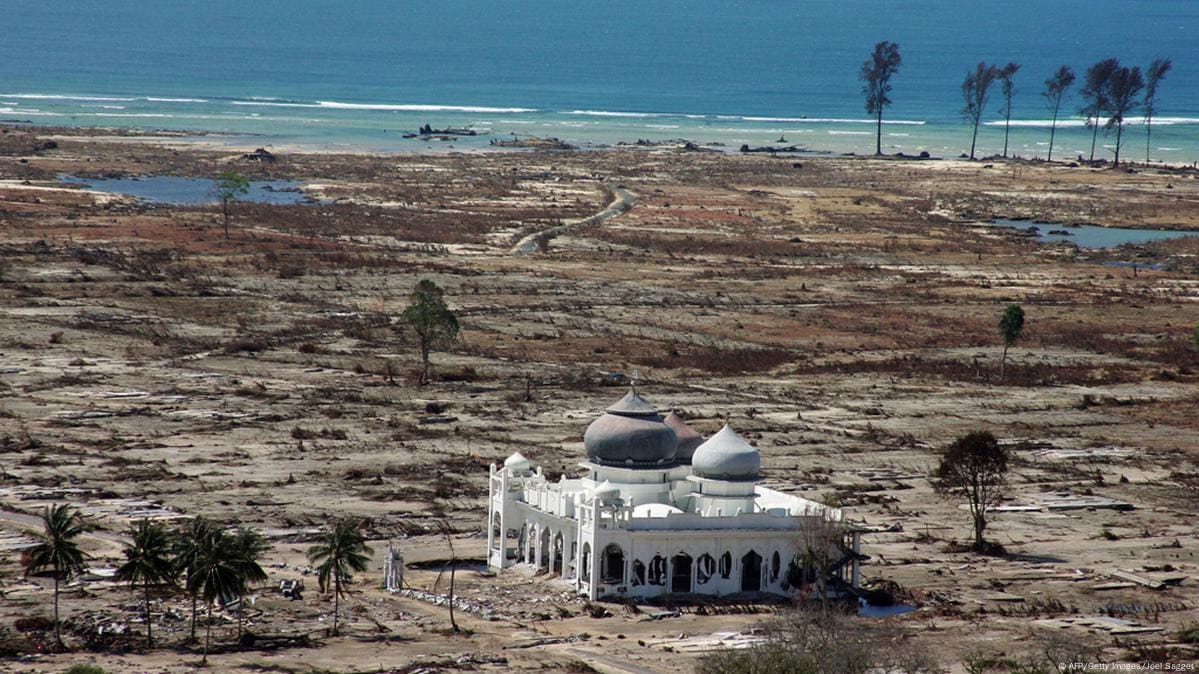
disaster tourism exploring Banda Aceh

When I was travelling through Indonesia, I happened to spend a day in the town of Banda Aceh. There is not much to do over there, my guide told me. The only tourist attraction is part of the trend of disaster tourism. Indeed, Banda Aceh was devastated by the 2004 tsunami. So, the main tourist attraction over there is to stroll through the memories of this tragedy: boats brought inland by the wave even though the sea is kilometers away, various memorials in honor of the victims, and the museum telling the story of this catastrophe. I have to admit, seeing the swarm of tourists snapping selfies made me wonder if this was a way to further understand what happened in this town, or just a grim tourist activity.

Table of Contents

hurricane Katrina dark tourism

What is disaster tourism?

Disaster tourism is about visiting the sites of major catastrophes, either man-made or natural. It’s considered a subsection of dark tourism even though the two are very hard to set apart.

According to Erika M. Robb, in an article published by the American Anthropological Association, “dark tourism includes both places with violent legacies and those at which violence is an ongoing reality. It encompasses a wide variety of visitor motivations—educational, memorial, or recreational.” 

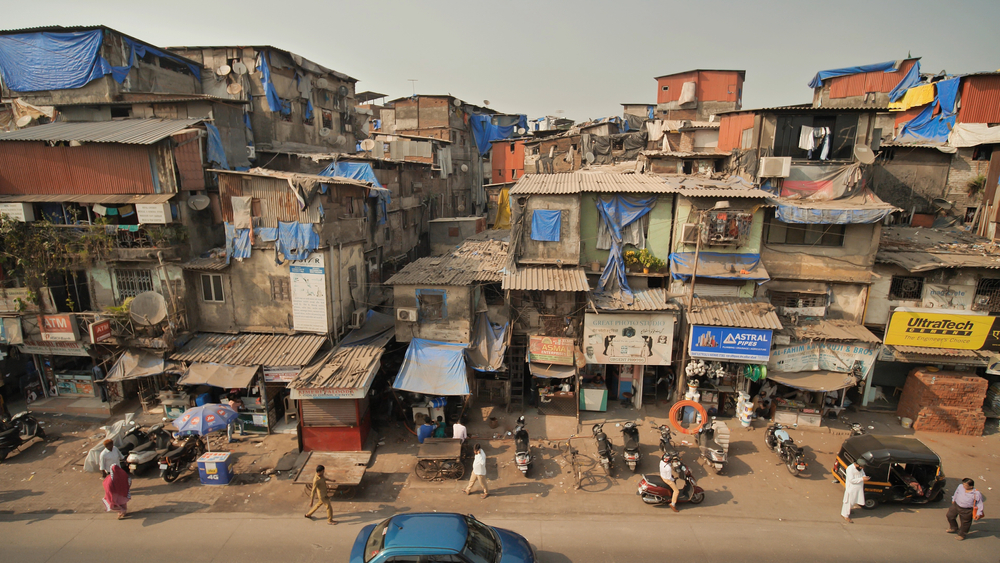
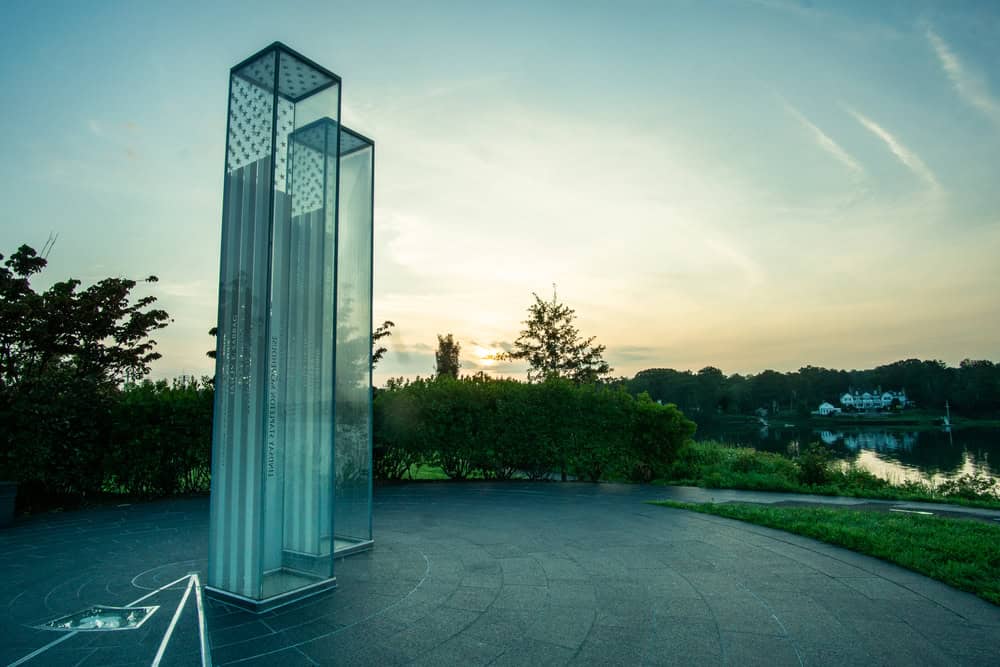
It is hard to have an opinion on disaster tourism, because it encompasses a very wide range of different attractions: National 9/11 Memorial and Museum, Hiroshima Peace Memorial and Museum, Katrina Tours, slum tourism, the ruins of Pompeii, the house where JonBenet Ramsey died, the Memorial and Museum of Auschwitz-Birkenau, etc. 

Within those options, some seem like an important part of history, while others just seem unnecessarily gruesome and/or voyeuristic. But they all have one thing in common: violence.

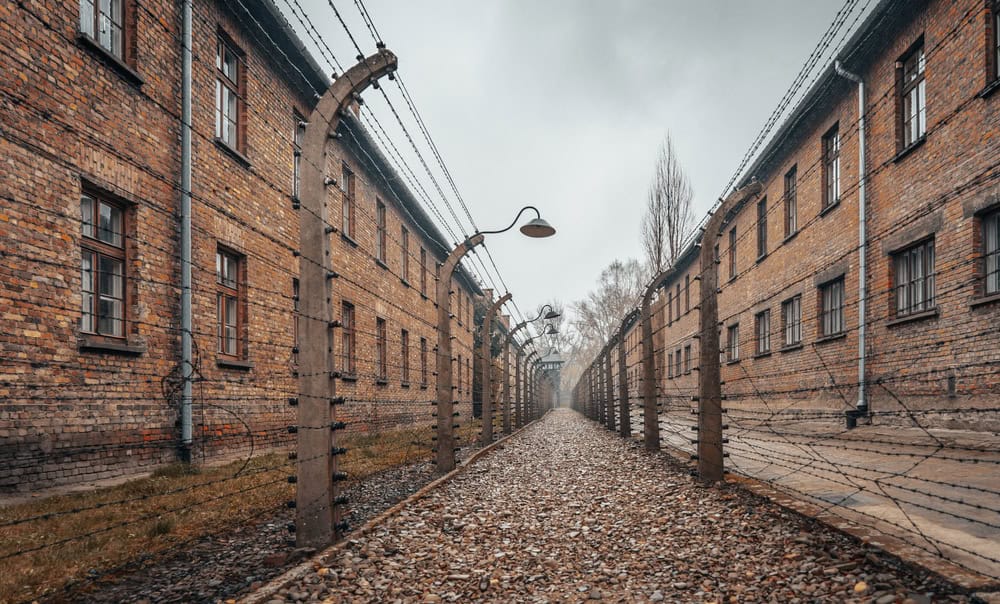
dark tourism concentration camp

Why does disaster tourism attract visitors?

Disaster tourism is supposed to be educational. Whenever you are visiting a place, you might want to learn more about its history. And even though you might have heard of the tragedy beforehand, it is clear that hearing or reading about something is completely different from seeing it with your own eyes. Most promoters of these kinds of tours are claiming they are raising awareness about the events in question.

Indeed, seeing the cells in Alcatraz Federal Penitentiary, seeing with your own eyes the skulls of the many victims of the killing fields in Choeung Ek in Cambodia, or even seeing the devastation caused by Chernobyl in Pripyat, Ukraine, can help you better understand the reality of the tragedy. Because even if you know about it, you don’t really fully understand it until you see it with your own eyes.

But it can also be part of a more solemn work of memory, of honoring the victims of the disaster in question.

Can you really fully engage in the educational and memorial part of the activity when you are on a vacation? According to Robb, “there is an obvious tension between undertaking important witnessing work and following a vacation itinerary. How might tourist activities before and after visitation to dark tourism sites frame the experience (e.g., going to dinner at an expensive restaurant, seeing a cultural performance, going clubbing). Dark tourism will, in some cases, result in the transformation of violence into one more attraction, wedged in between more typical tourist activities.”

In the end, it all comes down to your own motivations. Are you willing to engage and learn, or are you looking for a thrill?

slums of mumbai

Can it be useful for the local communities?

Organizing tours in areas struck by disaster can be useful for different reasons. It can be important for the community to raise awareness about the catastrophe and its consequences. It’s about remembering and teaching outsiders what has happened. It can be important for a community to tell their own story.

Disaster tourism can also have an economic impact. The money that tourism brings can help rebuild the community and provide employment for the local population. You would have to be careful in choosing a company that actually helps the community or at least employs locals.

However, not everyone feels positively about tours in their own neighborhoods. For example, after hurricane Katrina, many tourists came to New Orleans to tour the most affected areas, which was not very well received by the residents. Indeed, some locals were shocked that people would actually come over for the sole purpose of snapping a picture of the devastation, as it felt disrespectful to the victims.

How to Find Ethical Disaster Tourism Experiences

Protect the local community

When considering disaster tourism, it’s crucial to prioritize ethical travel practices. Look for tours and experiences that are led by local guides or organizations that are actively involved in the recovery and rebuilding process. Choose providers that emphasize cultural sensitivity, respect for affected communities, and sustainable travel. Ensure that a portion of the proceeds supports local communities or disaster relief efforts. Before booking, research the impact of tourism on the area, and avoid destinations still in crisis or undergoing recovery where tourism might disrupt the healing process. Engage with experiences that offer educational insights, highlight the stories of resilience, and foster meaningful connections without exploiting the suffering of others.

Give it time.

It’s never a good idea to go to a disaster area right after a tragedy struck. People are mourning, healing, and won’t want tourists taking pictures of their grief. You want to help out? There are many ways to do so from home! If you want to contribute, you can always make a donation to an organization that could use your help. Plus, if you go, you will probably get in the way, bother the local population, and participate in using possibly scarce resources.

Volunteer.

You want to donate your time? Check if the community is actually trying to recruit volunteers. Otherwise, you will end up getting in the way. Indeed, you need more than good intentions to help, and you might make it harder for professionals to do their job.

Research.

To choose an appropriate activity research the subject. You will find out whether or not this type of tourism has been well accepted by the local community. You will read different opinions about this topic and you will be able to make an informed decision.

Be respectful.

Most importantly, when you go to a disaster tourism site, behave appropriately. That is the main point. Whenever you participate in these types of activities, the way you conduct yourself is fundamental. Always act respectfully and with humility.

Protect yourself

If you need to make sure you are not harming the local community, you also have to make sure you will not hurt yourself.

Some sites might still be dangerous, such as war areas, or nuclear testing sites (like Bikini atoll for example), or even areas right after a disaster (think about the aftershocks of an earthquake for instance).  

It’s not just about physical harm. Choose your activity wisely: some sites can be very hard to stomach and be very upsetting, be sure to be prepared. Tuol Sleng Museum, formerly S21 prison in Cambodia or Murambi Genocide Memorial in Rwanda might be extremely distressing. Be sure that you are ready for this.

Should you engage in disaster tourism?

It’s a personal choice and it comes down to your own intentions. As far as I’m concerned, you should avoid these kinds of activities if you are just coming for the story and if you are not willing to learn and honor. I do recognize that it can be educational and important to remember some of the tragedies which have struck humankind. Just because you are on vacation does not mean that you should not learn.

According to Robb, “When atrocity becomes a recreational attraction, visitors are themselves inflicting further violence as they search out unique and “authentic” experiences. Ethically, we must question whether tours undertaken in the name of social justice or global awareness are actually experienced as such or whether they might instead work to mask the recreational, voyeuristic allure of violence.”

Again, it’s all about what you do with these experiences!

FAQ About Disaster Tourism

1. Is disaster tourism always disrespectful?

Disaster tourism can be disrespectful if it exploits the suffering of affected communities or prioritizes profit over people. However, if approached responsibly and with sensitivity, it can offer educational value and support recovery efforts.

2. How can I ensure my disaster tourism experience is ethical?

Choose tours operated by local organizations that are involved in long-term recovery efforts and contribute to the local economy. Avoid companies that seem to profit disproportionately from tragedy without offering tangible benefits to the community.

3. Can disaster tourism be educational?

Yes, when done ethically, disaster tourism can be a valuable educational experience, helping travelers understand the human impact of tragedies, the resilience of affected communities, and the importance of recovery and rebuilding efforts.

4. Should I visit disaster-stricken areas if they are still recovering?

It’s essential to consider whether your visit will disrupt ongoing recovery efforts. Visiting areas still in crisis may harm local communities rather than help. Always research and consider the timing of your visit to ensure it aligns with responsible tourism practices.

5. How can I contribute positively during my disaster tourism experience?

Look for opportunities to volunteer or donate to local organizations that are working on recovery. Spend money at local businesses, and be respectful of the people and communities you encounter, ensuring your presence is supportive and not exploitative.

Sources :
National Geographic – Seven Years After the Storm, Katrina Tours Cause Controversy – Caroline Gerdes – November 6th, 2012 
Forbes – Dark Tourism: Are These The World’s Most Macabre Tourist Attractions? – Duncan Madden – September 25th, 2019
Tourism Teacher – Disaster tourism explained: What, why and where – Dr. Hayley Stainton – October 19th, 2020
American Anthropological Association – Violence and Recreation: Vacationing in the Realm of Dark Tourism – Erika M. Robb – May 5th, 2009
Women on the road – Dark Tourism: Should Tragedy Become a Tourist Draw? – May 1st, 2018 – Why Indulging in Disaster Tourism Could Be a Tragic Mistake

Top Destinations for Solo Female Travelers in 2025

For safety, ease of travel, and beauty, these are the best destinations to travel if you’re a woman traveling solo. If you’re new to solo travel, choosing a destinations on this list will make your first trip unforgettable and ease you into solo traveling as a woman.

Bali solo female traveler walking through the jungle with an umbrella in the rain

Solo travel has become an increasingly popular trend among women, and 2025 is shaping up to be another exciting year for solo female travelers. More women than ever before are embracing the freedom, empowerment, and personal growth that comes with traveling solo. Whether for adventure, self-discovery, or simply the joy of exploration, solo travel offers women the opportunity to break free from societal expectations and experience the world on their own terms.

The rise of supportive communities like The Solo Female Traveler Network has helped foster a sense of sisterhood among solo female travelers, where women can share tips, experiences, and encouragement. As solo female travel continues to grow, it’s important to choose the right destinations—places that are safe, welcoming, and inspiring.

In this guide, we’ll highlight the top 10 destinations for solo female travelers in 2025, providing insights on safety, adventure, and cultural experiences. These destinations offer everything a solo traveler could hope for, from natural beauty to enriching local experiences.

Table of Contents

Top 10 Solo Travel Destinations for Women: Safe, Inspiring, and Adventure-Ready

1. Iceland: A Solo Traveler’s Dream Destination

  • Why It’s Perfect for Solo Women: Iceland is known for its natural beauty, low crime rate, and welcoming atmosphere, making it one of the safest destinations for solo female travelers. The country offers a peaceful environment, ideal for reflection and adventure alike.
  • Key Experiences: Explore Reykjavik’s vibrant city life, soak in the rejuvenating Blue Lagoon, and chase the Northern Lights. Don’t miss the Golden Circle, which features stunning waterfalls, geysers, and geothermal areas.
  • Challenge: Unpredictable weather can be a challenge, particularly during winter months, with sudden storms and strong winds.
  • Solution: Solo travelers should check weather forecasts regularly, pack appropriately with layers and waterproof gear, and remain flexible with plans in case weather disrupts their itinerary.
woman traveling solo in Japan walking through a temple with a purple backpack
Walking through temples on our Japan Tour just for women

2. Japan: Blend of Tradition and Modernity

  • Why It’s Ideal: Japan offers a unique combination of ancient traditions and modern amenities. It’s also one of the safest countries in the world for solo female travelers. With efficient public transportation and clean, well-organized cities, Japan provides a stress-free environment for exploring.
  • Key Experiences: Experience the bustling energy of Tokyo, visit Kyoto’s historic temples, and enjoy the serenity of Nara’s deer park. Be sure to relax in Japan’s hot springs (onsen) for a truly restorative experience.
  • Challenge: Language barriers can be difficult in rural areas, though English is widely spoken in major cities.
  • Solution: Solo travelers should learn a few basic Japanese phrases and use translation apps like Google Translate for assistance. Most major tourist spots have English-speaking locals, making it easier to navigate.

3. New Zealand: A Haven for Nature and Adventure Lovers

  • Why It’s a Top Choice: New Zealand is renowned for its breathtaking landscapes and outdoor adventures. Whether it’s hiking, kayaking, or bungee jumping, New Zealand offers plenty of options for women seeking adventure and stunning scenery. The locals are friendly, and the country’s tourism infrastructure is well-suited for solo travelers.
  • Key Experiences: Hike the famous Tongariro Alpine Crossing, take in the views from Queenstown, and enjoy the beaches and islands around the Bay of Islands.
  • Challenge: Isolation in rural areas can sometimes make solo travelers feel disconnected, especially in smaller towns.
  • Solution: Solo travelers should stay in social accommodations like hostels or join group tours to meet fellow travelers. New Zealand’s bus services and group excursions help ensure a connected and safe experience.
women only tour to India

4. Portugal: Affordable and Safe with Rich Culture

  • Why It’s Great for Women Travelers: Portugal is an affordable, safe, and culturally rich destination. Its laid-back atmosphere, combined with beautiful beaches, vibrant cities, and welcoming locals, makes it an ideal place for solo female travelers.
  • Key Experiences: Wander through the cobbled streets of Lisbon, enjoy the wine culture in Porto, and relax on the stunning beaches of the Algarve region.
  • Challenge: Crowds during peak tourist season can sometimes overwhelm popular destinations like Lisbon and Porto.
  • Solution: Solo travelers should consider visiting during the shoulder seasons (spring or fall) to avoid large crowds, or explore less-touristy regions like Alentejo for a quieter experience.

5. Costa Rica: Nature, Adventure, and Wellness Await

  • Why It’s a Solo Female Travel Hotspot: Costa Rica’s diverse landscapes, from rainforests to volcanoes to beaches, make it a top destination for eco-tourism. It offers a wide range of activities from adventure sports to wildlife watching, all in a safe and welcoming environment.
  • Key Experiences: Explore Monteverde’s Cloud Forest, hike to Arenal Volcano, and unwind on the beaches of Manuel Antonio National Park.
  • Challenge: Transportation in remote areas can be difficult, particularly with poorly maintained roads and limited public transit.
  • Solution: Travelers should book transportation in advance through reputable services or consider renting a car for greater flexibility. Group tours are also a reliable option for getting around the country.
Bali Tour for Solo Women

6. Canada: A Safe and Stunning Country for Solo Travelers

  • Why It’s a Safe and Welcoming Destination: Canada is known for its stunning natural beauty, diverse culture, and reputation for being one of the safest countries for women. The country offers both vibrant cities and breathtaking landscapes, making it a great destination for solo travelers.
  • Key Experiences: Visit Banff National Park for hiking and skiing, explore Toronto and Vancouver, and marvel at the beauty of Niagara Falls.
  • Challenge: Extreme weather conditions during winter, particularly in mountainous regions, can be a challenge for solo travelers who aren’t used to cold climates.
  • Solution: Solo travelers should travel during the warmer months or prepare adequately with proper winter gear if visiting in colder seasons. Consider indoor activities in cities during snowstorms.

7. Bali, Indonesia: Spiritual and Wellness Retreats

  • Why It’s So Popular for Solo Women: Bali is known for its spiritual energy, wellness culture, and beautiful landscapes. It’s a fantastic destination for solo female travelers looking for a peaceful escape or seeking self-discovery through yoga and wellness retreats.
  • Key Experiences: Explore Ubud’s rice terraces, visit temples like Tanah Lot, and engage in yoga and wellness retreats for a rejuvenating experience.
  • Challenge: Overcrowding in tourist hotspots like Ubud and Kuta can detract from the island’s peaceful charm.
  • Solution: To avoid crowds, solo travelers can choose to stay in quieter areas like Sidemen or Munduk or explore Bali’s lesser-known beaches and towns.

8. Thailand: Affordable and Solo Traveler-Friendly

  • Why It’s a Solo Travel Haven: Thailand’s affordability, friendly locals, and variety of experiences make it an ideal destination for solo female travelers. From bustling cities to tranquil islands, there’s something for everyone.
  • Key Experiences: Visit Bangkok’s lively markets, relax on the beaches of Koh Samui, and immerse in the cultural traditions of Chiang Mai.
  • Challenge: Scams targeting tourists can be an issue, especially in large cities like Bangkok.
  • Solution: Solo travelers should use common sense and stay alert, avoid unlicensed taxis or deals that seem too good to be true, and book excursions through trusted agencies.

9. Spain: Diverse, Cultural, and Perfect for Solo Travel

  • Why It’s Perfect for Solo Female Travelers: Spain’s rich culture, beautiful cities, and delicious food make it a fantastic destination for solo female travelers. Whether it’s wandering through historic streets or relaxing on sunny beaches, Spain offers a diverse range of experiences.
  • Key Experiences: Experience the lively tapas culture in Barcelona, explore the historic neighborhoods of Seville, and visit Madrid’s world-class art museums.
  • Challenge: Language barriers in rural areas can be a challenge, especially for travelers who don’t speak Spanish.
  • Solution: Solo travelers can learn basic Spanish phrases or use translation apps like Google Translate to bridge communication gaps.
tulips in the Netherlands

10. The Netherlands: Safe, Scenic, and Perfect for Solo Travelers

  • Why It’s Safe and Solo-Friendly: The Netherlands offers well-organized public transportation, beautiful cities, and an overall safe environment for solo travelers. Known for its cycling culture and picturesque canals, it’s a great destination for those who enjoy exploring at their own pace.
  • Key Experiences: Cycle through Amsterdam’s canals, visit the tulip fields in spring, and immerse yourself in the art and culture of Rotterdam and The Hague.
  • Challenge: Expensive accommodations in Amsterdam can make solo travel more costly.
  • Solution: Solo travelers can book accommodations in advance and stay in hostels or guesthouses in cities like Haarlem or Utrecht to save money.

Tips for Solo Female Travelers

  • Staying Safe: Always choose well-reviewed accommodations in safe neighborhoods. Be cautious with transportation and remain aware of your surroundings, especially in unfamiliar areas.
  • Being Prepared: Pack light, plan your routes in advance, and learn a few key phrases in the local language to help ease communication.
  • Embrace the Experience: Solo travel is about growth and exploration. Don’t be afraid to step outside your comfort zone and take full advantage of the opportunities that come your way.

Solo travel is one of the most empowering experiences a woman can have. The destinations outlined here offer safety, adventure, and opportunities for personal growth. Whether you’re seeking a peaceful retreat, an adrenaline-packed adventure, or a cultural immersion, the world is full of destinations that cater to solo female travelers. It’s time to embrace the adventure and take that first step towards exploring the world on your own terms.

FAQ About Solo Travel Destinations for Women

1. What are the safest destinations for solo female travelers?

Iceland, Japan, New Zealand, and Canada are among the safest destinations for solo female travelers, offering low crime rates and a welcoming atmosphere.

2. How do I find accommodations that are safe for solo female travelers?

Look for well-reviewed accommodations in safe, centrally located neighborhoods. Hostels, Airbnb, and hotels with strong security features, such as 24-hour reception and secure access, are ideal options.

3. What are the best destinations for adventure-loving solo female travelers?

New Zealand, Costa Rica, and Bali are great for adventure enthusiasts, offering hiking, surfing, and outdoor activities that cater to solo travelers.

4. How can I stay connected with my loved ones while traveling solo?

Ensure you have a local SIM card or an international phone plan for easy communication. Apps like WhatsApp, Skype, or FaceTime are helpful for keeping in touch.

5. Can I travel solo as a woman even if I don’t speak the local language?

Yes! Many countries cater to tourists, and learning a few key phrases or using a translation app can help bridge any language barriers.

Why Every Woman Should Experience Solo Travel

Solo travel—just saying those words brings an instant rush of excitement, doesn’t it? The idea of venturing out into the world on your own, leaving behind the familiar and embracing the unknown, is something so many women dream of. But often, that dream gets pushed aside. We’ve all heard the doubts: “Is it safe?” “Am I brave enough?” “What if I get lonely?”

woman with solo female traveler hat
Me, the founder of SoFe, in 2018 on our third ever tour

I get it. These thoughts are normal. But I can tell you this: solo travel is one of the most empowering, life-changing experiences you can have as a woman. It’s not just about exploring new places—it’s about discovering yourself, overcoming challenges, and embracing the freedom to shape your journey in your own image.

Let me share why every woman should experience solo travel at least once in her life.

Table of Contents

1. The Empowerment of Stepping Outside Your Comfort Zone

The first step is always the hardest, but once you take it, something magical happens. The moment you step outside of your comfort zone, you begin to grow in ways you never imagined. Solo travel challenges you to navigate unfamiliar cities, communicate across language barriers, and make decisions independently. Every new situation becomes an opportunity to push yourself beyond what you thought was possible.

For me, traveling solo was a journey of building confidence. I learned to trust my instincts, to embrace uncertainty, and to take ownership of my own path. I realized that I am capable of handling whatever comes my way—whether it’s catching a flight to a city where I don’t speak the language or figuring out how to navigate a new subway system in a foreign country. Each challenge I faced made me stronger.

Breaking free from the expectations others may place on you—whether it’s society, family, or friends—by traveling solo is one of the most liberating feelings you’ll ever experience. Solo travel is an act of defiance, of telling the world that you are in charge of your own destiny.

2. Building Deep Connections with Yourself

When you travel alone, you’re forced to spend time with the most important person in your life: yourself. And that can be a scary thought. We’re so often busy juggling responsibilities and commitments that we don’t always make time for self-reflection. Solo travel gives you that gift.

I’ve found that the quiet moments between activities—sipping coffee in a café, walking through a new neighborhood, or even sitting by the beach—are when I’ve made some of my most important realizations. Solo travel opens the door to deep self-reflection, clarity, and the opportunity to rediscover who you truly are.

Through this process, I built a stronger connection with my inner self. I gained a greater understanding of my passions, desires, and dreams. It was through traveling solo that I found the courage to pursue The Solo Female Traveler Network, and it’s through every journey I take that I continue to nurture that connection with myself.

women in india on a jeep taking a selfie
Visiting villages in India on our women-only tour

3. The Beauty of Freedom

One of the best things about solo travel is the complete freedom it offers. When you’re traveling alone, there are no compromises. You decide when to wake up, what to eat, where to go, and what to do. It’s all up to you, and that’s incredibly liberating.

I’ll never forget the first time I traveled solo to a destination I’d been dreaming about for years. I didn’t have to ask anyone for approval or consult anyone about what to do next. I could go wherever my heart led me. I wandered through ancient ruins, got lost in the charm of hidden alleyways, and even spent an entire afternoon in a local park, reading a book without a care in the world. It was pure joy.

Solo travel strips away the pressure of catering to anyone else’s needs, and it lets you indulge in your own experiences without distraction. You get to explore the world on your terms—and that kind of freedom is priceless.

4. Discovering New Perspectives and Cultures

Traveling alone doesn’t just give you the chance to explore new places—it also opens the door to connecting with different cultures on a deeper level. When you’re not bound by the familiar, you become more open to the world around you.

I’ve found that the best cultural experiences often happen when you’re traveling solo. Whether it’s striking up a conversation with a local shopkeeper or enjoying an impromptu meal with strangers who become friends, solo travel gives you the space to engage in ways that might not happen when you’re traveling with a group.

Solo travel allows you to experience a place through your own lens. You can engage with locals on your own terms, without feeling the need to adhere to a pre-determined itinerary or follow a group dynamic. This makes for more meaningful, authentic experiences that expand your worldview.

5. Facing Challenges with Grace and Resilience

Let’s be honest—solo travel isn’t always easy. There will be moments when things don’t go as planned. Maybe your flight is delayed, or maybe you miss your connection. Perhaps you get lost in a city or face language barriers. But that’s where the real magic happens.

For me, some of the most rewarding moments of solo travel have been when I’ve had to figure things out on my own. Whether it’s solving a problem or finding my way in an unfamiliar city, each challenge I faced built my resilience.

By confronting the unknown and learning to adapt, I became more resourceful, patient, and confident. And those qualities have stayed with me long after the trip is over.

solo female traveler in Bali praying near a temple by the beach
Solo time on the Bali Tour

6. The Joy of Solo Travel for Women

There’s something uniquely empowering about being a woman who travels alone. Despite the stereotypes that often surround women who travel solo, we are not only capable—we thrive. The sense of freedom, independence, and self-sufficiency that comes with traveling alone is incredibly empowering.

Solo travel, for women, is an act of rebellion against societal expectations that often place restrictions on where and how we can travel. It’s a way to reclaim our space in the world, to tell the world we belong wherever we choose to go.

And let’s not forget the incredible sense of camaraderie within the solo female traveler community. I’ve had the privilege of meeting so many amazing women who have shared their stories and experiences with me. There’s a beautiful bond that forms when women support each other on the road—and it’s one of the most powerful aspects of solo travel.

7. How Solo Travel Changes Your Life

The impact of solo travel doesn’t end when the trip is over. In fact, it has a ripple effect that touches nearly every aspect of your life. The confidence, independence, and resilience you gain from solo travel can completely transform how you approach both your personal and professional life.

For me, traveling solo has been a constant source of inspiration. It’s encouraged me to follow my dreams, take risks, and build the kind of life I’ve always wanted. And by stepping outside my comfort zone, I’ve created a life that feels more aligned with my passions and values.

solo women packing list for Egypt
Gazing at the pyramids on the Egypt Tour

FAQ About Solo Travel for Women

1. Is solo travel safe for women?

Yes, solo travel is safe when approached with preparation and awareness. Always do your research on the destination, follow safety tips, and stay connected with trusted friends or family. Many solo female travelers report feeling empowered and confident in the right circumstances.

2. How can I start planning my first solo trip?

Begin by choosing a destination that excites you and feels manageable for your first solo journey. Consider factors like language, safety, and ease of transportation. Start small—perhaps a weekend getaway—and gradually work your way up to more ambitious adventures.

3. What if I get lonely while traveling alone?

Loneliness can happen, but it’s also a great opportunity for self-reflection and connection. Solo travel often leads to meeting new people and forming meaningful relationships with fellow travelers or locals. Embrace the moments of solitude as part of the experience.

4. How do I stay safe while traveling alone?

Staying safe while traveling solo involves being proactive. Trust your instincts, stay aware of your surroundings, avoid risky situations, and make sure someone knows your itinerary. Consider joining local tours or connecting with other solo travelers for added security.

5. Will solo travel change my life?

Absolutely! Solo travel is transformative. It encourages you to break out of your comfort zone, discover new strengths, and embrace a more independent and fearless mindset. You’ll return from your trip with new perspectives, memories, and a deeper sense of who you are.

Every woman deserves to experience the empowering, transformative power of solo travel. It’s a journey of self-discovery, growth, and adventure. It’s a journey that will teach you to trust yourself, embrace your independence, and face the world with confidence.

If you’ve been thinking about your own solo travel dreams, I encourage you to take that first step. Whether it’s a weekend getaway or a month-long adventure, the world is waiting for you. Solo travel is an invitation to live on your own terms, to explore the world, and to connect with your most authentic self.

At The Solo Female Traveler Network, we believe in empowering women to step into their own adventure. Start turning those travel dreams into a reality. The world is yours to discover, and it’s time to begin.

Strictest Dress Codes for Women: Iran, Saudi Arabia & More

Some countries write dress codes for women into law. Many more just have strong opinions about your shoulders.


This guide covers both: the places where the rules are legal and enforced, and the places women visit all the time with nothing more than a scarf in their bag. If you’re here because you’re nervous about a trip, skip to the second half. It’s the useful part.

Sambali Trust and Jess Widkin's India women-only tour with Sofe Travel
Jess, a SoFe Traveler on our India Tour

Table of Contents

Where Is Hijab Legally Required for Women?


Right now, two countries require women to cover their hair by law: Iran and Afghanistan. Indonesia’s Aceh province also enforces Sharia-based dress rules.


Saudi Arabia used to be on this list. Since 2019, foreign women haven’t had to wear an abaya or a headscarf there, though modest clothing is still expected.


In most other countries, covering up is about custom and respect, not the law.

1. Iran


Iran has the strictest dress code for travelers on this list, and it applies to you too. Women must cover their hair, wear long sleeves and long pants, and wear a loose top or coat that reaches the knee. Some religious sites will hand you a chador at the door.


For Iranian women, breaking the rules can mean fines, arrests and jail time. Tourists usually get a warning and a request to fix their scarf, but this is not the place to test the limits.


The bigger issue right now: the US, UK, Canada, Australia and Ireland all currently advise against any travel to Iran because of the ongoing conflict. So treat this section as context, not a travel plan.

2. Saudi Arabia


Saudi Arabia is the country most people assume is the strictest, and it used to be. Since 2019, foreign women don’t have to wear an abaya or a headscarf.


What you do need: clothes that cover your shoulders and knees, and nothing tight or see-through. Public decency rules come with fines, though tourists usually get a polite word first. Riyadh and Jeddah feel more relaxed than smaller towns. Bring a scarf anyway for mosques and conservative areas.

3. Afghanistan


Afghanistan has the most extreme rules for women anywhere. Under the Taliban, women must cover their entire body and face in public. A 2024 law went further and banned women’s voices from being heard in public.


The punishments for Afghan women are severe, and most governments advise against all travel there. This one is a skip.

4. North Korea


North Korea’s dress code is about politics, not religion. Skirts should hit the knee or lower, and jeans are off-limits because they’re seen as a symbol of the West.


Locals who break the rules can face public shaming or worse. Tourists just get told to change. Either way, it’s mostly closed to Western visitors, and the US has banned its citizens from traveling there since 2017.

5. Indonesia (Aceh Province Only)


Aceh is the one corner of Indonesia that enforces Sharia law, including dress rules. Visitors are expected to cover their shoulders and knees, and a headscarf is a good idea in public.


The rest of Indonesia is far more relaxed. In Bali, the only real rule is a sarong and sash to enter temples, and they’re usually handed out at the gate. Our Bali and Gili Islands trip is mostly swimsuits, sunsets and temples, with a sarong in your bag. Here’s what to pack for Bali.

women in india
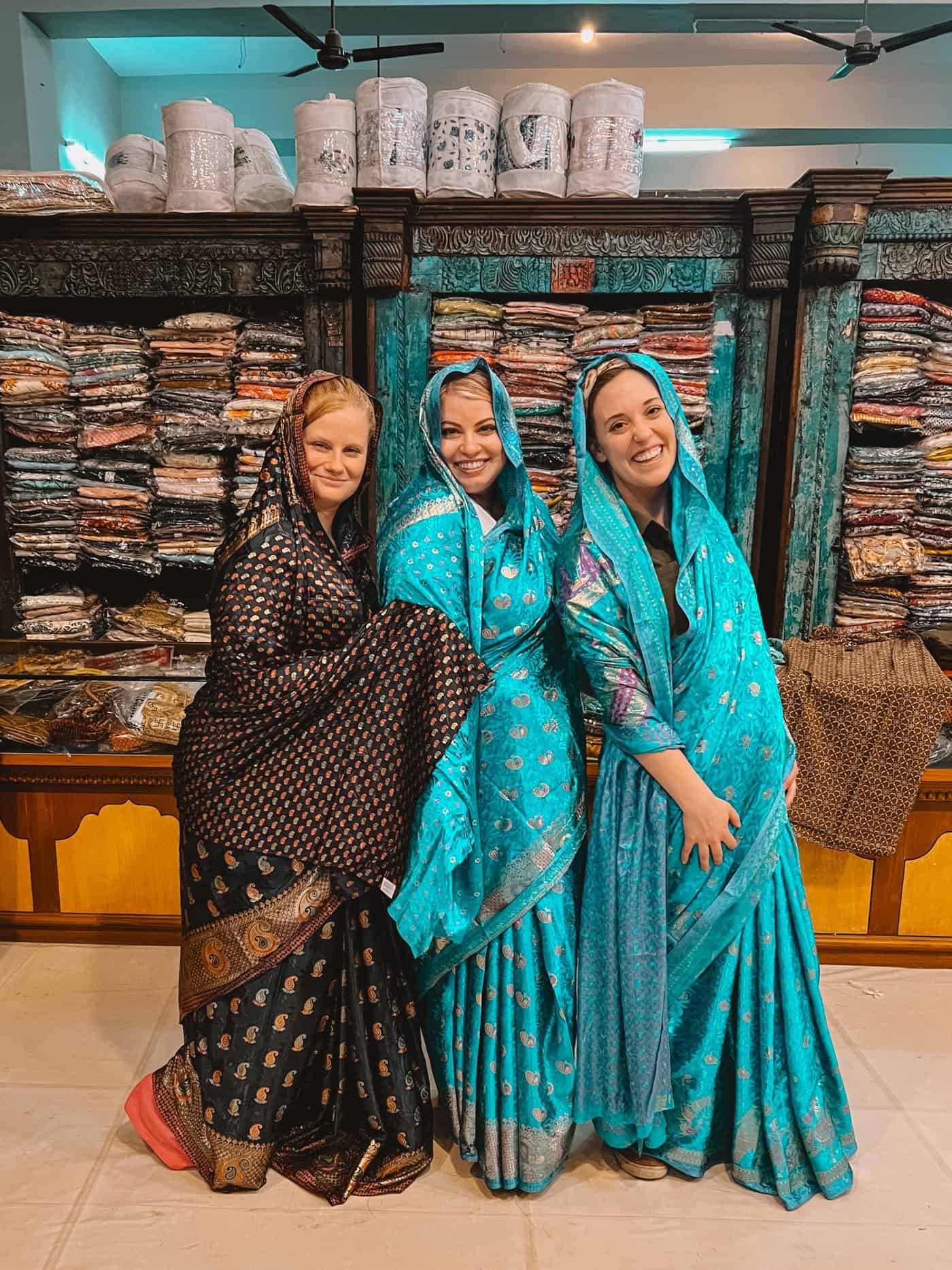
Trying on saris on our India Tour

Modest Dress, Zero Drama: Where Women Travel All the Time


Here’s what those scary lists leave out. Most of the “conservative” countries women worry about are places thousands of women visit every year, solo and in groups, without any trouble. The dress code is a scarf, loose layers and a little common sense.


These are the ones we know best, because we take women there.


Egypt


There’s no law about what you wear. In Cairo and Luxor, loose pants or a midi skirt and tops that cover your shoulders will keep the stares down. You’ll need a scarf to go into mosques. On a Nile cruise or at the pool, swimsuits are normal.


Our Egypt trip  |  What to pack for Egypt  |  Solo female travel in Egypt


Morocco


Cover your shoulders and knees in the medinas and you’ll blend in fine. Layers matter more than anything, because the desert gets cold at night. Most mosques are closed to non-Muslims, so your scarf is mostly for sun and sand.


Our Morocco trip  |  What to pack for Morocco


Turkey


Istanbul dresses like any European city. To go into mosques like the Blue Mosque, you’ll need your hair, shoulders and legs covered, and they’ll lend you a wrap at the door if you forget.


Our Turkey trip  |  What to pack for Turkey


Uzbekistan


Relaxed in Tashkent, a little more traditional in Bukhara and Samarkand. Cover your shoulders and knees at mosques and mausoleums and pack a light scarf. This is ikat country, so leave the all-beige wardrobe at home.


Our Uzbekistan trip  |  How to prepare for Uzbekistan  |  Uzbekistan packing list


Kyrgyzstan


Here the weather sets the dress code, not the culture. Think hiking layers, a warm jacket for nights in a yurt, and something that covers your knees for village visits.


Our Kyrgyzstan trip  |  Is Kyrgyzstan safe for women?  |  Kyrgyzstan packing list


India


Covering your shoulders and knees goes a long way, especially at temples. You’ll want a scarf to cover your head at gurdwaras and mosques. Goa and Mumbai are more relaxed. On our Holi trip, wear white clothes you’re happy to ruin.


Our Holi trip  |  The Deep End of India  |  What to pack for India


Nepal and Bhutan


Nepal is easygoing. Bhutan is more formal: to enter dzongs and temples, you’ll need long sleeves, a long skirt or pants, and no hat.


Our Nepal and Bhutan trip  |  Nepal and Bhutan packing list


Would you rather someone else figured out the rules? On every SoFe trip, our local guides tell you exactly what to wear and where before you pack. That’s one less thing to Google at 2am. If you’re on the fence about group travel, here’s an honest take on whether women-only tours are worth it.

supporting women in india women's tour
Supporting a women-run NGO on our India trip

Tips for Dressing in Conservative Countries


  • Pack one big scarf. It covers your hair at a mosque, your shoulders at a temple and your face in a dust storm.
  • Loose beats long. Wide-leg pants and flowy tops are cooler than tight jeans and get far less attention.
  • Check religious sites separately. Even relaxed countries have stricter rules inside temples and mosques.
  • Watch the local women. Within a day you’ll know what’s normal. Match it.
  • Check government travel advice before you book. Not after.

FAQ


Which countries require women to wear a hijab?


Iran and Afghanistan, by law. Indonesia’s Aceh province also enforces Sharia-based dress rules. Saudi Arabia no longer requires foreign women to cover their hair.


Do I need to cover my hair in Egypt?


No. You’ll only need a scarf to go into mosques. Loose clothes that cover your shoulders and knees are the norm in cities. See our Egypt trip.


Do I need to wear a headscarf in Morocco?


No. Covering your shoulders and knees is plenty in most places. See our Morocco trip.


Do I need to cover my hair in Turkey?


Only inside mosques. Everywhere else, dress like you would in any European city. See our Turkey trip.


What happens if I break a dress code as a tourist?


Usually a warning or being asked to cover up, or you won’t be let into a religious site. In Iran, fines are possible. Apologizing and fixing it fast solves most situations.


What should I pack for a conservative country?


A big scarf, wide-leg pants, a midi or maxi skirt, and light long-sleeve tops. Here’s our full packing list.

Different Isn’t Dangerous


Most of the places on this page aren’t scary. They’re just different, and different is the whole point of going.


We run small trips for up to 14 women to Egypt, Morocco, Turkey, Uzbekistan, India and more, with local guides who’ll tell you what to wear before you ever open your suitcase.


See all our upcoming trips

Stay Safe in Taxis and Rideshares as a Woman Traveling Solo

As with all adventures, staying mindful of your safety is key to making the most of your journey, especially as a solo female traveler. Taking taxis is often unavoidable, whether you’re heading to a hotel late at night or exploring a new city. With these actionable tips—rearranged for clarity and impact—you can feel more confident and prepared when hopping into a cab anywhere in the world.

Stay Safe in Taxis and Rideshares as a Woman Traveling Solo

How to Stay Safe As A Solo Female Traveler Taking Taxis

1. Stay Alert and Trust Your Instincts

While it’s tempting to relax and scroll through your phone during a ride, staying aware of your surroundings is crucial. Keep an eye on the road, note landmarks, and remain attuned to the driver’s behavior. If something doesn’t feel right, trust your gut and act accordingly. A heightened sense of awareness can make all the difference.

mongolia view with sofe sign
women throwing color for Holi in India on a women only tour

2. Document the Vehicle Details

Before stepping into a taxi, make a note of the license plate number. Snap a quick photo of the car or write the details in your phone. Share this information with a trusted friend or family member, especially if you’re traveling late at night or in an unfamiliar area. This simple step ensures someone knows your whereabouts if needed.

3. Choose Licensed Taxis or Trusted Ride-Share Apps

Verify the legitimacy of any vehicle before stepping in. Many countries have specific regulations or visual markers indicating a licensed taxi. For example, in the UK, taxis display a local authority license, while in Vanuatu, a “T” on the number plate signals a registered taxi.
If ride-share apps like Uber, Bolt, or Grab are available, they’re often a safer option.

These platforms provide essential details such as the driver’s name, photo, car make, and license plate number, allowing you to confirm the correct vehicle before getting in. Always double-check this information and never enter a car that doesn’t match the app’s details.

Women on a Sailboat in Egypt

4. Be Strategic About Sharing Information

While making small talk with your driver can be polite, avoid revealing that you’re traveling alone. Mention meeting a friend, partner, or group at your destination. This subtle tactic creates the impression that someone is waiting for you, reducing the likelihood of unwanted attention.

If ride-share apps like Uber, Bolt, or Grab are available, they’re often a safer option. These platforms provide essential details such as the driver’s name, photo, car make, and license plate number, allowing you to confirm the correct vehicle before getting in. Always double-check this information and never enter a car that doesn’t match the app’s details.

women on Bucharest on women only tour of Romania
solo female travelers on tour in Havana, Cuba posing for a tour group photo

5. Pick the Right Seat

Where you sit in a taxi matters. The safest spot is usually in the back seat on the passenger side. This position keeps you visible to the driver while maintaining a physical distance, minimizing the risk of unwanted contact. It also gives you quick access to exit the car if needed.

6. Monitor Your Route

Download an offline map of your destination before your journey. During the ride, use Google Maps or another navigation app to follow the route in real time. If you notice the driver deviating significantly, don’t hesitate to speak up. A confident statement like, “I think we missed the turn—can we head back?” can help redirect the situation. If necessary, call someone to let the driver know you’re in contact with others.

Solo Female Network Tour Morocco
bali

7. Agree on the Price (or Ensure the Meter is Running)

In some countries, taxi meters aren’t the norm, and drivers might try to overcharge tourists. To avoid surprises, agree on a price before your ride begins. If the driver is evasive or insists on vague pricing, walk away and find another option. Research average taxi fares beforehand so you can negotiate confidently.

8. Avoid Pushy Drivers

In tourist hotspots like airports or major landmarks, some taxi drivers can be aggressive in seeking passengers. If you feel pressured, trust your instincts. Observe which taxis locals are using or ask nearby hotel staff for reputable recommendations. Taking a moment to assess the situation can save you from a stressful experience.

European Christmas Markets Tour
Kenya Meetup Tour

9. Stay Connected

Your phone is one of your best safety tools. Make sure it’s fully charged before heading out, and consider carrying a portable charger. Upon arrival in a new country, get a local SIM card or set up international roaming so you always have access to data and emergency contacts.

If your phone runs out of battery, prioritize using reputable taxi services, even if they cost more. Safety is worth the extra expense.

10. Memorize Emergency Numbers

Every country has its own emergency hotline, and it’s wise to know it before you arrive. Save it in your phone and keep a physical copy as a backup. Quick access to these numbers can be invaluable in an urgent situation.

Turkey Meetup Tour

11. Bonus Tip: Fake a Phone Call

Pretending to be on a phone call can deter unwanted attention or suspicious behavior from a driver. Act as though you’re speaking with someone who knows your location and is expecting you soon. Keep your tone casual yet confident, and mention specific details about your ride to make it believable.

Sample Script:

“Hey, I’m in the taxi now. We’re just passing [landmark] now and should be at [your destination] in about [XX] minutes. Wait for me just inside or look out for the [car make, model, and color].”

This approach not only gives the impression that someone is monitoring your journey but also reinforces your confidence during the ride.

Mexico Meetup Tour

Navigating taxis as a solo female traveler doesn’t have to be intimidating. With a mix of preparation, awareness, and confidence, you can enjoy your journey while staying safe.

Remember, your intuition is a powerful tool—if something feels off, don’t hesitate to remove yourself from the situation. You’ve got this, and the world is waiting for your next adventure.

How To Budget For Travel + Our FREE Planner

Traveling is one of the most transformative experiences, but every experienced solo female traveler knows how to budget. Whether you’re dreaming of a weekend getaway in your home country or planning a more ambitious solo adventure abroad, one thing’s for sure—you’ll need a solid budget to make it happen. But don’t worry, we’ve got you covered with our expert tips on how to budget for travel and a free downloadable budget planner to help you get started. Let’s dive in and start turning those travel dreams into reality!

Table of Contents

How Solo Female Travelers Budget Travel

Step 1: Dream Big, Plan Smart

First things first, dream big, but plan smart. Whether it’s a cozy weekend retreat or a month-long international adventure, knowing your destination, travel dates, and style of travel (luxury or budget) will help you estimate your costs. Be specific—sometimes, the more detailed you are, the easier it is to stick to your budget. For example, how many nights will you stay? What kind of activities do you want to enjoy? Which flights and accommodations fit your vibe?

One of the best reasons to join a women-only group tour is so you know exactly what the cost is and what’s included. The only extra expenses are easy to budget for and there are less surprises than when you plan everything yourself. 

Step 2: Prioritize Your Spending

When it comes to budgeting for travel, it’s all about balance. Start by breaking your budget into categories like transportation, accommodation, food, activities, and souvenirs. We include all of these categories plus more in the free budget planner. This allows you to prioritize your spending on what matters most to you—whether that’s a luxurious stay at a boutique hotel or splurging on a guided tour of your destination. When it is all in black and white in front of you, it’s easier to make thoughtful choices between where you want to spend and where to splurge.

If you’re looking for ways to stretch your budget, consider alternative accommodations like hostels or vacation rentals, or tap into local experiences for food and activities that give you a taste of the local culture without breaking the bank.

Step 3: Track Your Expenses

It’s easy to get carried away with excitement, but tracking your expenses is key. From booking your flight to ordering that extra coffee on your last morning—every dollar adds up. Using a simple spreadsheet or a travel budgeting app can help you stay on track and prevent surprise costs from derailing your adventure.

Step 4: Save & Plan in Advance

Start saving early to give yourself a financial cushion. Set aside a percentage of your income every month into a dedicated travel savings account. You’ll be amazed at how quickly your travel fund can grow. Don’t forget to research discounts, flash sales, and special offers on flights and accommodations—planning ahead can often save you hundreds.

Step 5: Keep Track of Your Budget While Traveling

Once you’re on the road, it’s important to stay mindful of your spending. Consider setting daily or weekly spending limits. And, if you’re traveling internationally, don’t forget to factor in foreign transaction fees. Many budget-conscious travelers also recommend using travel reward programs to offset costs.

solo female traveler in Jordan desert

Why We Created The Free Budget Planner

Time and again, women in our 550k+ Facebook community ask – how do you budget a trip? How do other women keep their travel plans on point? How do you make sure nothing—like that perfect sunset sail—gets overlooked?

🎉 We heard you! 🎉 Our team has poured time and love into creating a FREE Travel Budget Planner, designed just for you.

Why You’ll Love It 💛

  • Complete Control Over Your Finances: Budget, track, and adjust as you go. Say goodbye to unexpected overspending.
  • Stress-Free Organization: Keep all your bookings, reservations, and packing lists in one place, so you’re always prepared.
  • Made for Solo Female Travelers: Thoughtfully designed to support your unique travel needs.

What’s Inside? ✨

The SoFe Travel Budget Planner is packed with everything you need to make your next trip smooth and unforgettable:

  • Customizable Categories: Personalize the planner to fit your unique travel style.
  • Dashboard Overview: Get a quick snapshot of your finances, bookings, and progress.
  • Bookings & Reservations Tracker: Keep all your trip details organized and accessible.
  • Budget & Expenses: Stay on track with your spending while leaving room for those spontaneous adventures.
  • Daily Itinerary: Plan your days like a pro, with room for every exciting detail.
  • Packing List: Never forget an essential again!

Get Your Free Travel Budget Planner 🚀

Transform the way you travel with the SoFe Travel Budget Planner. It’s not just a planner—it’s your travel partner, your peace of mind, and your key to unlocking unforgettable memories.

Have questions or need help? Drop us an email at [email protected], and we’ll be happy to assist!

Solo Female Traveler Visa Breakdown for 2025

Travel visas can be complicated and confusing, but it’s also super important to know what visas you need and for where before you book your flight!

sun set on the beach in Costa Rica

Don’t get yourself in a sticky situation at the border. Nothing is more disappointing than getting sent home because you forgot to apply for a visa, or worse – get deported because you overstayed your welcome.

Plan ahead with The Solo Female Traveler Network and learn about what visas are for, which one is best for you and how to get the one(s) you need.

Table of Contents

What are Visas?

A visa is a travel document issued by a foreign country to an individual who resides from another country. For the most part, imposing visa requirements is a security measure for countries to keep track of who is visiting and to ensure they are complying with immigration laws and regulations. They also make sure that foreigners are legally authorized to enter and stay in a country for a certain period.

Each country has its own visa requirements and purposes. However, when you simply break down the purpose of a visa, it’s the MOST important document (besides your passport) that will allow you to enter a country!

Different Types of Visas

The most common visas you will come across as a solo female traveler are tourist visas, working visas and student visas. Surprisingly, there are several other visas you may be able to apply for as well.

We’re here to break down the different types of visas so you can have a clear idea which one you should acquire for your next trip!

Tourist Visas

A tourist visa usually allows individuals to visit a country for a certain period of time for recreational purposes, leisure or vacation. Typically, tourist visas grant visitors 30-90 days to visit a country, but it varies for each country. Tourist visas are often the easiest and most common visa to acquire as a traveler.

WORK VISAS​

Working holiday visas allow young people to travel abroad and work while they are there to help fund their travels. There are typically age restrictions on these visas and they often allow foreigners to stay in a country for 6-12 months. The most popular countries for working holiday visas are New Zealand, Australia, Canada, Ireland and Japan.

On our women only tours, we help with all your visa needs.

Business Visas

A business visa allows visitors to travel for business related purposes such as meetings, conferences or professional development. These visas often have restrictions, but are a great way to quickly sight-see while you are on a business trip.  

Student Visas

If you are still in school, studying abroad with a student visa is one of the best ways to travel! Student visas allow individuals to study at an educational institution for several months to several years depending on the situation. Oftentimes, students can also work part-time while they are in the country to help fund their studies.

Digital Nomad Visa

For all the remote workers out there, a new digital nomad visa is on the rise! This visa caters exceptionally well to freelancers, entrepreneurs and business owners. It allows individuals to reside in a country while working without a traditional employment sponsorship. Learn more about the digital nomad visa requirements and what countries offer it.

Transit Visa

Sometimes during a layover, travelers will need a transit visa. This visa allows foreigners to pass through a country on their way to their final destination. There are usually strict restrictions including a short stay and oftentimes you cannot leave the airport or designated transit area.

Residency Visa

If you are looking to POST UP and stay in a country LONG-TERM, this is the visa you should have a goal to acquire! A residency visa can grant permission for an individual to reside permanently in a country. This visa includes getting involved with immigration authorities and taking several steps. Make sure to do your research for the specific country you desire to reside in and take the correct steps.

Less Common Visas

Some other less common visas for typical solo female travelers include investor visas, family visas and medical visas. Check out the Worldwide Travel Visa Guide to learn about a variety of other visa options you may be able to acquire.

Visiting the local bamboo forest on the Japan Meetup Tour

How to Acquire a Visa

Since each country has different visa requirements, it’s necessary to find out which specific visa you will need. Once you have decided the type of visa you want for traveling, it’s time to tackle how to acquire the correct visa for the destination you are visiting.

We help you every step of the way on our women-only tours from getting visa to booking your flight and even packing your bags.

Research! Research! Research!

Before you spend all your precious money booking your flight, make sure you do your research to find out if you can obtain a visa for the country you want to visit. A simple google search can usually give you the answer, but some more extensive research will give you validation.

One top-notch resource online that can quickly give you visa travel requirements is Sherpa Travel. By easily entering your travel details and dates, you can find out visa requirements, specific needs for passports and documents as well as health risks and requirements.

The most accurate way to find out visa requirements and how to apply for one is by utilizing government resources. Researching your country’s embassy or consulate regarding foreign travel requirements can solidify whether you can obtain a visa or not. Official government websites of your desired country will also provide you with the steps you need to take to obtain your visa.

Applying for a Visa

Now that you know which visa you need and how to get it, go ahead and BOOK THAT FLIGHT! Make sure the next task on your to-do list is figuring out if you need to apply for a visa… Don’t leave it for the last minute!

Tourist Visa Upon Arrival

If you have done your research and see that you can easily purchase or acquire a tourist visa upon arrival, the steps are pretty simple. Visas upon arrival usually require you to have the exact amount of cash you need at the port of entry to purchase your visa on site. Make sure to have your passport ready and cash in hand when you go through immigration at the airport or border crossing. If you are lucky, some tourist visas upon arrival are free!

Holi Celebrations on the India Meetup Tour

Apply for an E-Visa Online

The most common way to acquire a visa that isn’t a “visa upon arrival” is by applying for an e-visa online. Countries will provide a secure online platform through a government site for you to follow the application process. Oftentimes they will send the visa directly to your email address or your visa will be digitally linked to your passport. Follow instructions carefully and make sure to double check all your personal information before you submit your application.

Snail Mail Sticker Visa

Sticker visas aren’t quite as common as they used to be due to the world wide web, but if you need to apply for a sticker visa for your passport – plan ahead! This type of visa often requires individuals to apply in person at an embassy or consulate. Whether you are able to apply for a sticker visa online or in person, do it weeks or months before your trip. This is a slow process since your sticker visa will arrive via snail mail. Once you receive your visa and review all the details, you will be ready to go!

Regardless of which visa you acquire for your travels, make sure to follow all visa requirements. We want to make sure you can go back to that country in the future and avoid paying any bothersome fines. Wherever your travels take you, avoid any bad consequences and don’t overstay your visa.

Happy travels from the SoFe family and best of luck on your visa acquiring adventures!

FAQ: Solo Female Traveler Visa Breakdown

1. What is a travel visa?

A travel visa is a document issued by a foreign country that allows you to enter, stay, or transit through that country. It serves as permission from the country’s government to visit for a specific period, depending on the type of visa.

2. What are the most common types of visas for solo female travelers?

The most common visas for solo female travelers are tourist visas, working holiday visas, student visas, business visas, digital nomad visas, and transit visas. Each serves a different purpose, depending on your travel plans.

3. How long can I stay in a country on a tourist visa?

Typically, tourist visas allow a stay of 30-90 days, though this varies depending on the country. Some countries may offer longer stays for specific travelers.

4. What is a digital nomad visa?

A digital nomad visa allows remote workers, freelancers, and entrepreneurs to live in a country while continuing their work without a traditional employment sponsorship. It’s an excellent option for those who want to work while traveling.

5. Do I need a visa for a layover?

In some cases, you may need a transit visa if you’re passing through a country during a layover. Transit visas are generally short-term and may restrict you from leaving the airport or designated area.

6. How can I apply for the right visa?

Each country has different visa requirements. It’s essential to research the specific visa you need for your destination and follow the application steps carefully, which often involve submitting documents and attending interviews.

7. Can I apply for a visa online?

Many countries offer electronic visas (eVisas) that can be applied for online. However, some visas require in-person visits to embassies or consulates. It’s important to check the specific requirements for your destination.

Best Places to Travel Each Month in 2025 for Solo Female Travelers

As 2025 approaches, it’s time to start dreaming of where your next solo adventure might take you. Traveling alone as a woman is an empowering experience, offering the freedom to explore on your terms while connecting deeply with new cultures. Whether you’re looking for vibrant cityscapes, serene natural landscapes, or cultural immersion, here are some of the best places to travel in 2025 for solo female travelers—with recommendations for when and why to visit.

Morocco Meetup Tour

January: Morocco

Start your year in Morocco, a mesmerizing destination with its colorful souks, ancient medinas, and sweeping desert landscapes. January offers cooler temperatures, making it perfect for exploring cities like Marrakech and Fes or trekking the Atlas Mountains. While Morocco can be a challenging destination for women travelers, it’s also incredibly rewarding. If you’re unsure about navigating the hustle and bustle on your own, join our Morocco Meetup Tour. You’ll experience all the magic of Morocco without the stress, hassle, or catcalls—just a supportive group of women embracing the adventure together. Check it out here!

Other January Options:

  • New Zealand: Summer in the Southern Hemisphere means incredible hiking and adventure activities.
  • Thailand: Perfect weather for island hopping and exploring Bangkok’s vibrant culture.

February: Maldives

February is ideal for a getaway to the Maldives, with its pristine beaches, turquoise waters, and luxurious overwater bungalows. This destination is perfect for solo female travelers seeking relaxation and natural beauty. Whether you’re snorkeling in vibrant coral reefs or enjoying a peaceful sunset, the Maldives offers an unforgettable solo escape.

Other FEBRUARY Options:

  • Sri Lanka: Cultural sites and serene tea plantations.
  • Vietnam: Ideal weather for exploring cities, beaches, and Halong Bay.
Japan Meetup Tour

March: Japan

March brings the magic of cherry blossom season in Japan, a time when parks and streets burst into soft pink hues. This cultural phenomenon makes destinations like Kyoto, Tokyo, and Osaka even more enchanting. Japan’s excellent public transportation and reputation for safety make it an ideal choice for solo female travelers. Wander through bamboo forests, visit ancient temples, or indulge in sushi at a local izakaya. Solo travelers are welcomed with open arms in Japan’s ryokans (traditional inns) and capsule hotels, ensuring a unique yet secure experience. Don’t forget to explore cultural traditions like tea ceremonies for a truly immersive trip.

Other MARCH Options:

  • South Korea: Another cherry blossom hotspot with rich culture and history.
  • Portugal: Mild weather and vibrant festivals in Lisbon and Porto.

April: Netherlands

April is tulip season in the Netherlands, a stunning time to visit this charming country. Explore the vibrant fields of Keukenhof Gardens or cycle through Amsterdam’s picturesque canals. The mild spring weather and fewer crowds make this an excellent destination for solo travelers.

Other APRIL Options:

  • Japan: For the tail end of cherry blossom season.
  • Greece: Perfect weather for exploring Athens and the islands.
Egypt Meetup Tour

May: Egypt

Experience the wonder of ancient history in Egypt during May, when the weather is warm but not scorching. From the iconic pyramids of Giza to cruising the Nile, Egypt is a bucket-list destination. For solo female travelers, safety and logistics can feel daunting, but our Egypt Meetup Tour is designed to provide a hassle-free and enriching experience. Explore the treasures of this ancient land with a group of like-minded women. Learn more here!

Other MAY Options:

  • Italy: Spring blooms and fewer tourists make it ideal for exploring cities and countryside.
  • Peru: Trekking to Machu Picchu during the dry season.

June: Iceland

June is the perfect time to visit Iceland for its midnight sun and dramatic landscapes. Explore stunning waterfalls, hike on glaciers, or soak in geothermal lagoons. Iceland’s small population and emphasis on eco-tourism make it a safe and welcoming place for solo female travelers.

Other JUNE Options:

  • Canada: Great for outdoor adventures and national parks.
  • Switzerland: Perfect for hiking and breathtaking mountain views.

July: Norway

Experience the midnight sun in Norway this July, where you can explore the stunning fjords, go kayaking, or take scenic road trips. Long daylight hours and excellent infrastructure make it an ideal destination for solo travelers.

Other JULY Options:

  • Alaska: For wildlife spotting and epic landscapes.
  • France: Lavender fields in Provence and summer festivals.
Kenya Meetup Tour

August: Kenya

Kenya in August offers a front-row seat to one of nature’s greatest spectacles: the Great Migration. Witness millions of wildebeests and zebras crossing the plains of the Maasai Mara. Kenya is an excellent destination for solo female travelers looking for adventure and wildlife. Our Kenya Meetup Tour ensures you experience this breathtaking event in a safe and supportive environment. Join us here!

Other August Options:

  • Scotland: Long days and stunning landscapes make it ideal for solo road trips.
  • Bali: Perfect weather for beaches, temples, and wellness retreats.
Mongolia Meetup Tour

September: Mongolia

Head to Mongolia in September for the Golden Eagle Festival, a unique cultural experience celebrating the ancient art of eagle hunting. The vast, untouched landscapes of Mongolia offer a sense of freedom and adventure that’s perfect for solo travelers. Our Mongolia Meetup Tour allows you to dive into this extraordinary culture with the support of an amazing group of women. Find out more here!

Other September Options:

  • Spain: Enjoy the vibrant festivals and mild weather.
  • Australia: Spring in the Southern Hemisphere brings perfect conditions for exploring.
women throwing color for Holi in India on a women only tour
India Meetup Tour

October: India

Celebrate Diwali, the festival of lights, in India this October. This vibrant and joyous time of year is perfect for experiencing Indian culture at its most festive. From the bustling streets of Delhi to the serene beauty of Kerala, India is a destination that offers something for everyone. If traveling alone feels intimidating, join our India Meetup Tour for an unforgettable adventure with a supportive group. Learn more here!

Other October Options:

  • Romania: Visit for the Halloween party at Dracula’s Castle and explore the mystique of Transylvania.
  • Turkey: Perfect autumn weather for Istanbul and Cappadocia.

November: Mexico

November is the perfect time to visit Mexico and immerse yourself in the vibrant celebrations of the Day of the Dead. This unique cultural tradition brings towns and cities alive with colorful altars, parades, and festivities honoring loved ones who have passed. Explore iconic destinations like Oaxaca and Mexico City to experience the heart of this beautiful celebration. Beyond the festivities, November offers pleasant weather, making it ideal for exploring Mexico’s stunning beaches, ancient ruins, and lively markets.

Other November Options:

  • Patagonia: Springtime brings breathtaking landscapes and outdoor adventures in Argentina and Chile.
  • South Africa: Safari season and excellent weather for wildlife enthusiasts.
European Christmas Markets Meetup Tour

December: European Christmas Markets

December is magical in Europe, with twinkling lights, festive markets, and cozy winter vibes. Cities like Vienna, Prague, and Munich come alive with holiday cheer, making them perfect for solo travelers seeking a festive atmosphere. Our European Christmas Markets Meetup Tour combines the best of these iconic destinations with the warmth of a supportive community. Join us here!

Other December Options:

  • Argentina: Summer in the Southern Hemisphere, ideal for exploring Patagonia and Buenos Aires.
  • Cuba: Warm weather and vibrant culture for a winter escape.

Why Solo Travel in 2025?

Solo travel continues to grow as women embrace their independence and the opportunity to connect deeply with the world. These destinations have been carefully chosen not only for their beauty and cultural richness but also for their safety and ease of navigation for solo female travelers. Whether you’re venturing out for the first time or are a seasoned explorer, 2025 is your year to take bold steps toward unforgettable adventures.

Ready to take the plunge? Start planning your next journey with The Solo Female Traveler Network and find your dream destination. Whether you’re joining one of our tours or venturing out on your own, we’re here to cheer you on every step of the way.

5 Ways to Beat Post Vacation Depression

Imagine you just came home from one of the most epic adventures you’ve ever had. Sure, the comforts of home feel good. It’s nice to sleep in your own bed. But you just can’t seem to shake post travel depression. Something is lacking. You feel disconnected and you’re itching to get back on the road.

You’re not alone. It’s called post vacation depression and nearly everyone who loves to travel feels just like you. Coming home can be challenging – feeling depressed in “real life” after a big trip is actually normal. Going from the freedom of travel back to your daily routine can be an abrupt transition. 

Here are 5 cures for post vacation depression. Bring a little bit of all the things that make traveling so wonderful, back home with you – until your next adventure.

Table of Contents

selfie with eagle hunters in mongolia
Posing with Eagle Hunters on the Mongolia Tour

1. Bring the Excitement of Travel Home to Cure Post Vacation Depression

What is it you love most about traveling? Maybe it’s the unique places you visited, the delicious food you ate or the drastically different cultures you experienced. Just because you’re back home and feeling post vacation depression doesn’t mean you can’t bring the excitement of travel back into your everyday life. 

What if you cover your fridge with a collage of photos from your trip or learn how to cook the best meal you had abroad? If you’re craving some more cultural experiences, check out some local meetup groups and join in on different opportunities or events. Combine your cozy nights relaxing at home with a travel documentary or get lost in the travel section at your local library. Connect with other travelers online by joining The Solo Female Traveler Network for resources and travel tips to keep you engaged and inspired and curing your post vacation depression. Don’t let yourself fall into your old monotonous routine, intertwine the excitement of travel into your life at home!

Cooking class on the Turkey Meetup Tour

2. Learn New Skills To Cure Post Vacation Depression

One of the best parts about traveling is all the new things you can experience. Why not bring that into your life at home and learn new skills you can bring on your next trip? If you’re already excited to travel again, channel that energy towards learning something new!

What type of skills do you want to learn before your next trip? Maybe you want to download Duolingo and learn the foundations of a new language spoken at your next dream destination. Or, you could invest time into new hobbies at home that you can bring on your next adventure. Take a photography class, go to a Barter Fair or research capsule wardrobes and minimalism to learn how to pack as lightly as possible. Learning new skills will not only help you become a confident world traveler, it can also help you stay excited and engaged at home. Beating the travel blues is much easier when you can focus on preparing for your next trip and investing time into learning new skills and hobbies for your next adventure!

women in Vinales, Cuba valley smiling and posing next to a local home
Coffee tasting and Cuban cigar rolling on the Cuba Meetup Tour

3. Explore Your Own Backyard to Fight Post Vacation Depression

We get it – routines are comfortable. But if you want to spice things up, bring travel back home with you. Whoever said you can’t travel around your own city hasn’t tapped into the magic of a hometown adventure. One of the best ways to experience travel at home is to see it with a new set of eyes. 

Go on an urban hike or eat out at a restaurant you’ve never been to before. Stop at the rustic antique store you drive by every day or look up a new hiking trail on the AllTrails app. Explore every nook and cranny of your hometown or city and beat the travel blues by having unexpected adventures on your home turf. Travel off the beaten track in your own backyard and see what surprises await! It definitely won’t be boring – we promise. 

women throwing color for Holi in India on a women only tour
Holi Celebrations on the India Meetup Tour

4. Stay in Touch with your New Travel Sisters to Cure Post Vacation Depression

Do you ever feel like the friends you met traveling are long-lost friends you’ve actually known your whole life? Of course you do – we feel that way too!

Travel buddies are the best types of friends you can have because of your shared interest in travel and they understand post travel depression. These friends are more likely to drop everything to meet up with you on a spontaneous trip than anyone else you know. They are also essential when you get back from a big trip. Travel buddies can help you feel less isolated, more fulfilled and they have a better understanding of your post-travel depression than people at home. They will always be happy to share memories or plan another exciting trip with you down the road. Although they may be far away, these friendships are absolutely worth it!

woman traveling solo in Cuba standing in front of a Cuba sign
The Cuba Meetup Tour

5. Start Planning your Next Trip to Cure Post Travel Depression

Grab a pen and paper and start jotting down ideas and places you want to see in the world! Nothing beats the travel blues than doing some research and planning your next trip. If you are feeling low after an amazing adventure, it’s time to focus on getting excited about what’s coming in the future. Whether you have time to travel in a few months or the following year, it’s never too early to brainstorm ideas. Watch a travel series and do some research on locations that may spark your interest. Check out the Solo Female Traveler Meetup Tours for ideas and join one of several epic excursions with other female travel fanatics from around the world. Nothing makes us more giddy with excitement than planning our next trip! 

Beating the post-travel blues is much easier with the SoFe Travel community. Lift your head up, grab a world map, and let your mind wander into your next adventure. We can’t wait to see where you decide to go next!

Final Thoughts on Post-Vacation Depression

While post-vacation depression is common, there are ways to cure it. By reflecting on your journey, easing back into routine, staying connected with fellow travelers, planning your next trip, and practicing self-care, you can combat those feelings and bring the adventure back into your everyday life. Travel is meant to transform us, and with the right mindset, the magic of your journey can stay with you long after you’ve returned home.

woman in Morocco solo posing on rooftop in Marrakech
Marrakech rooftops on the Morocco Tour

Frequently Asked Questions about Post Vacation Depression

1. What is post-vacation depression?

Post-vacation depression is a feeling of sadness, emptiness, or disconnection that some travelers experience after returning home from a trip. It’s a natural response to the end of an exciting adventure, as the return to everyday life can feel underwhelming in comparison. The emotional shift can leave travelers feeling drained, unmotivated, or even nostalgic for their time away.

2. How long does post-vacation depression last?

The duration of post-vacation depression varies from person to person. For some, the feelings may last just a few days, while for others, it can persist for a week or more. The key is to be patient with yourself and allow time for the transition. The more you integrate the tips shared in this article, the quicker you’ll adjust to life after travel.

3. Is post-vacation depression common?

Yes! Many travelers experience post-vacation depression after returning home. It’s especially common among those who travel solo, as the sense of freedom and adventure can be overwhelming when the trip ends. Recognizing this as a normal part of the travel experience can help alleviate some of the stress that comes with it.

4. Can post-vacation depression affect my mental health?

While post-vacation depression is typically temporary, it can affect your mood and mental health, especially if you don’t address it. Feeling disconnected or low after a trip can be frustrating, but practicing self-care and allowing yourself time to process can help prevent it from turning into something more serious.

5. How can I prevent post-vacation depression?

While it’s impossible to fully avoid post-vacation depression, you can minimize its impact by preparing for your return in advance. Start planning your next adventure while you’re still traveling, and try to incorporate the positive aspects of your trip into your daily life. Stay connected with people you met along the way, and ease back into your routine slowly to make the transition smoother.