Is solo female travel safe in 2026? It is the question more women are asking as the world feels both more connected and more unpredictable. The real answer is not about fear. It is about understanding what safety truly means and how to choose destinations that support confident, empowered travel.
Solo female travel is no longer a niche idea. It is a movement. More women are booking flights alone, planning bucket-list adventures, and deciding that waiting is no longer an option. At the same time, headlines can feel overwhelming. News cycles move fast. Social media amplifies everything. It is easy to wonder whether traveling solo as a woman is still safe in 2026.
The truth is more nuanced than a simple yes or no.
Safety is not about finding a “perfectly safe” country. That does not exist. Safety is about preparation, awareness, cultural understanding, infrastructure, and the kind of support available on the ground. It is about how a destination makes a woman feel. And most importantly, it is about whether she is equipped to move through the world with confidence.
This guide breaks down what actually makes a destination safe for solo female travelers in 2026.
What Does “Safe” Really Mean for Solo Female Travel?
When someone asks if solo female travel is safe, they usually mean one thing. Will something bad happen?
But safety is not just about crime rates.
It includes:
Physical safety
Cultural attitudes toward women
Infrastructure and healthcare
Emotional comfort
Digital security
Reports from organizations like the World Bank and the Global Peace Index show that many regions remain stable for travelers. While some destinations face political tension, everyday tourist safety in many places has not dramatically declined.
Safety is not about finding a perfect country. It is about understanding context.
No place on earth is risk free. But many destinations are welcoming, manageable, and deeply rewarding when approached thoughtfully.
How Has Solo Female Travel Changed in 2026?
The biggest change is simple. More women are doing it.
As solo female travel has grown, the industry has adapted. That shift has made travel safer and more accessible.
More women traveling means:
More female-friendly accommodations
More women-led tours
More open conversations about harassment and boundaries
Stronger global communities
It also means women do not have to choose between total independence and total uncertainty.
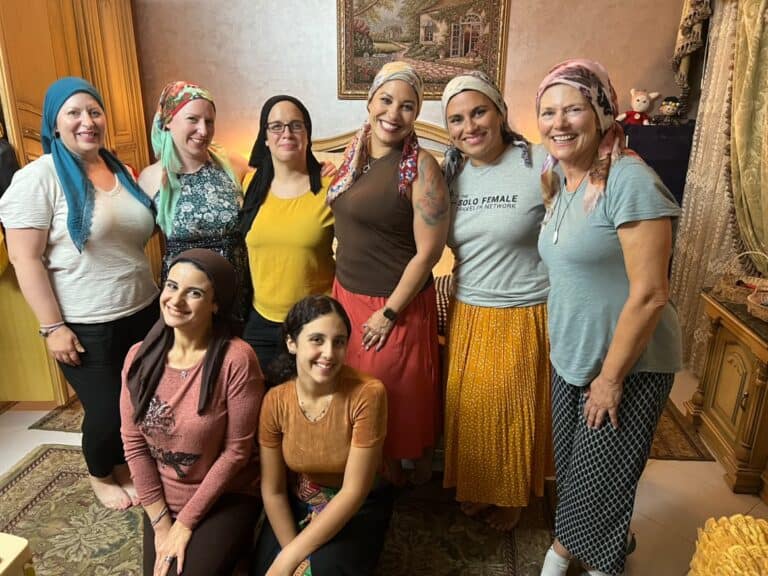
The Solo Female Traveler Network was built for this exact moment. Women arrive solo but travel within a supportive group. Logistics are handled. Local teams are vetted. Cultural context is explained before it becomes overwhelming.
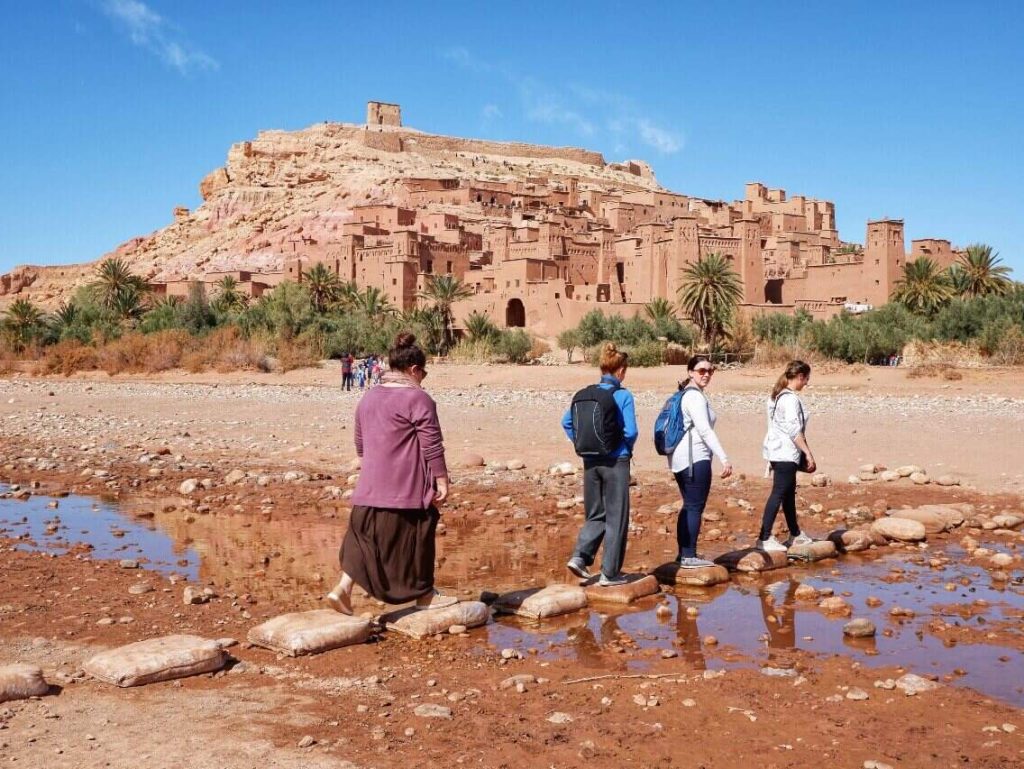
For example, the Morocco adventure for women transforms what could feel chaotic into something immersive and empowering. Navigating medinas and markets becomes easier when trusted local guides are leading the way.
In East Asia, the Japan cultural immersion tour combines one of the world’s safest countries with structured exploration. Efficient public transportation and strong social norms around respect add another layer of comfort.
In 2026, safety often comes from choosing experiences intentionally designed for women.
What Actually Makes a Destination “Safe”?
There are clear patterns that matter again and again.
1. Strong Infrastructure
Safe destinations usually have:
Reliable transportation
Clear signage
Accessible healthcare
Stable public systems
When trains run on time and neighborhoods are walkable, stress drops. When emergency services are easy to access, confidence grows.
Destinations like Japan are known for strong infrastructure. But other regions are stepping forward too. Central Asia, for example, has invested heavily in tourism access. The Uzbekistan Silk Road journey offers historic cities with organized logistics that make the experience feel approachable.
Infrastructure reduces uncertainty.
2. Cultural Attitudes Toward Women
This is one of the most important factors.
How are women treated publicly? Are female travelers common? What are the social norms around dress and behavior?
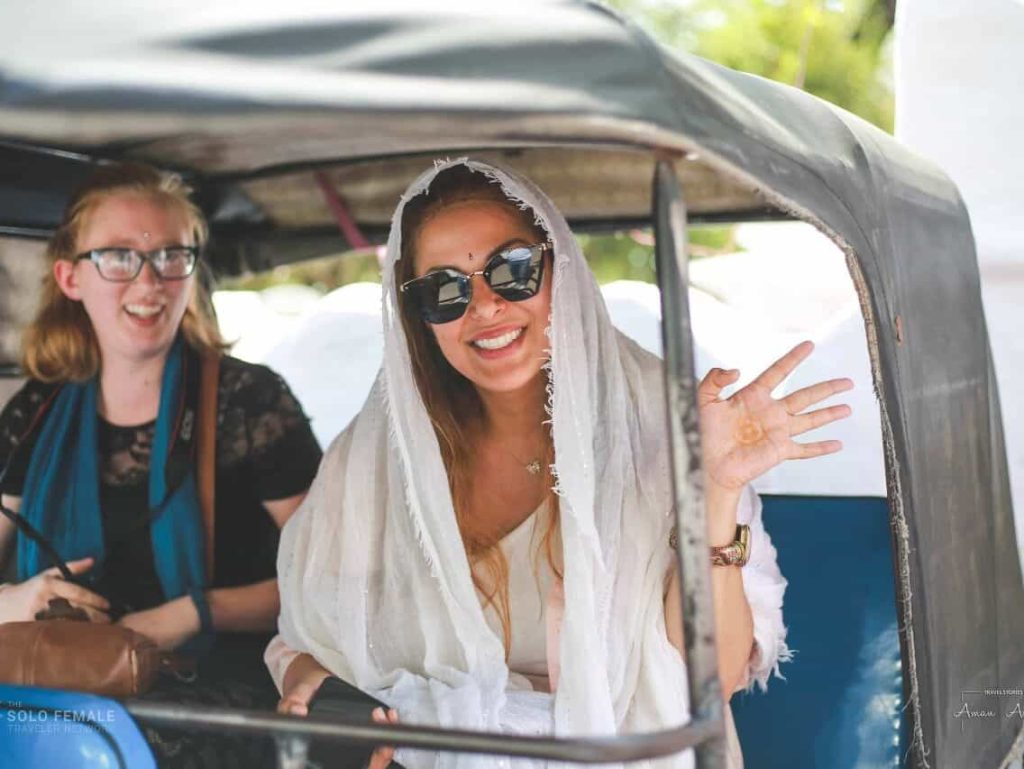
India can feel intense at first, especially for first-time visitors. But with cultural guidance and context, many women describe it as life changing. The India cultural journey for women includes thoughtful preparation and group support that helps travelers move through busy cities with greater ease.
In Egypt, navigating major historic sites can feel complex alone. The Egypt women’s history adventure includes licensed local guides and structured planning, which turns a potentially stressful experience into an inspiring one.
Understanding culture is a safety tool.
3. Local Support and Community
Solo does not have to mean isolated.
When women travel fully independently, they manage every detail alone. When they travel with a vetted group or trusted guides, risk decreases and confidence increases.
For example, planning safari logistics in East Africa can feel complicated. The Tanzania safari adventure for women removes that burden by coordinating transport, accommodation, and local expertise in advance.
Support systems matter. They create a foundation that allows freedom within structure.
Is the World More Dangerous Now?
For Cultural Visits, Temples, and Evenings
It may feel that way because information moves fast.
Every incident can trend globally within minutes. But perception does not always match reality.
Government travel advisory websites like the U.S. Department of State and the UK Foreign Office provide updated country information. These resources are helpful. However, advisory levels often reflect political conditions rather than daily tourist experiences.
Many destinations labeled with caution continue to host thousands of safe travelers each year.
The key is informed travel, not fearful travel.
Practical Safety Tips for Solo Female Travelers in 2026
Confidence grows from preparation. These simple habits make a big difference.
Research Beyond Instagram
Read official advisories. Look at recent traveler reviews. Understand neighborhood layouts and local customs before arriving.
Choose Accommodation Carefully
Book well-rated properties in central areas. Look for recent reviews mentioning safety and staff helpfulness.
Arrive During the Day
Reaching a new city in daylight makes navigation easier and reduces stress.
Stay Connected
Purchase a local SIM card or activate international data. Reliable navigation apps and transportation services improve security.
Share Your Itinerary
Send travel plans to someone you trust. Regular check-ins add peace of mind.
Trust Your Instincts
If something feels wrong, leave. Change plans. Ask for help. Intuition is powerful.
Is Group Travel Safer Than Traveling Completely Alone?
In many cases, yes.
Group travel provides:
Pre-vetted accommodations
Trusted transportation
Local experts
Built-in community
Emergency planning
It also still allows independence. Many group itineraries include free time to explore solo while returning to the safety of a shared environment.
For women unsure where to begin, browsing the SoFe tour calendar can be a helpful starting point. Seeing structured departures across different regions allows travelers to match destinations with their comfort level.
Safety is not about limiting adventure. It is about building it wisely.
Are Some Regions Safer Than Others?
Yes, but nuance matters.
Parts of East Asia and Northern Europe consistently rank high in global safety reports. Many Southeast Asian countries are known for strong tourism systems. Some regions require more preparation due to political shifts or infrastructure gaps.
However, safety often depends on how a trip is structured.
Turkey, for example, blends vibrant cities with historic coastal towns. The Turkey women’s adventure combines cultural depth with organized logistics that make the experience smoother.
Nepal and Bhutan offer breathtaking landscapes but require planning around altitude and terrain. The Nepal and Bhutan journey for women includes experienced guides and thoughtful pacing, enhancing both safety and enjoyment.
Choosing the right format often matters more than choosing the “perfect” country.
The Emotional Side of Feeling Safe
There is one piece that rarely gets discussed. How a place feels.
Some destinations feel steady. Streets are active but not aggressive. Locals are curious but respectful. Transportation is manageable.
That emotional comfort allows women to relax. And when stress drops, awareness improves.
Romania and Lebanon are examples of destinations that surprise many travelers. With the right context and support, experiences like the Romania women’s adventure and the Lebanon cultural journey reveal warmth and hospitality that challenge common assumptions.
Safety is not only about statistics. It is also about how empowered a traveler feels in her surroundings.
So, Is Solo Female Travel Safe in 2026?
Yes, when approached thoughtfully.
The world is not perfectly safe. But it is also not as dangerous as fear-based headlines suggest.
In 2026, solo female travel is supported by:
Stronger global communities
More women-focused travel companies
Better digital tools
Greater awareness of boundaries and safety
The most important factor is preparation.
Women who research, stay aware, and choose supportive environments consistently return home stronger and more confident.
Safety is not about avoiding the world. It is about navigating it wisely.
And for many women, that journey starts with a single decision to go.
FAQ: Solo Female Travel Safety in 2026
1. Is solo female travel safe in 2026?
Yes. With research, preparation, and awareness of cultural norms, solo female travel can be very safe in 2026.
2. What makes a destination safe for women?
Strong infrastructure, respectful treatment of women, accessible healthcare, reliable transportation, and local support systems all contribute to safety.
3. Is group travel safer than traveling alone?
Group travel often adds structure, vetted logistics, and community support, which can reduce risk and stress.
4. How can solo female travelers reduce risk?
Research destinations thoroughly, stay digitally connected, book reputable accommodations, arrive during daylight, and trust intuition.
5. Are travel advisories reliable?
Travel advisories provide useful context but should be interpreted carefully. They often reflect political conditions rather than everyday tourist experiences.