Yes, Kyrgyzstan is safe for women. People are warm, street harassment is rare and you’re far more likely to be invited in for tea than to ever feel threatened.
The challenges here are practical ones: remote roads, mountain weather and minibuses that leave when they’re full, not when the timetable says. Here’s what to know before you go.
The real risks in Kyrgyzstan
Government advisories warn about the border areas near Tajikistan and Uzbekistan. They’re far from the usual routes, and you won’t end up there by accident.
Beyond that, the things to plan for are mostly about the landscape:
- Mountain weather changes fast, and passes and trails can become unsafe with little warning.
- Roads are long and isolated, with big stretches between towns, gas stations and phone signal.
- English is limited outside Bishkek, so everyday things like ordering food or asking directions take more effort.
- Shared taxis and marshrutkas (minibuses) run on flexible schedules and leave when they’re full.
None of that is danger in the dramatic sense. It’s what traveling through a rural, mountainous country looks like, and it’s much easier when someone else is handling it.
Culture and what to wear
Kyrgyz hospitality is the real deal. If you’re offered tea or bread, accept, even just a little. In villages, people may ask whether you’re married, simply because women traveling without family are less common there. A friendly answer is all it needs.
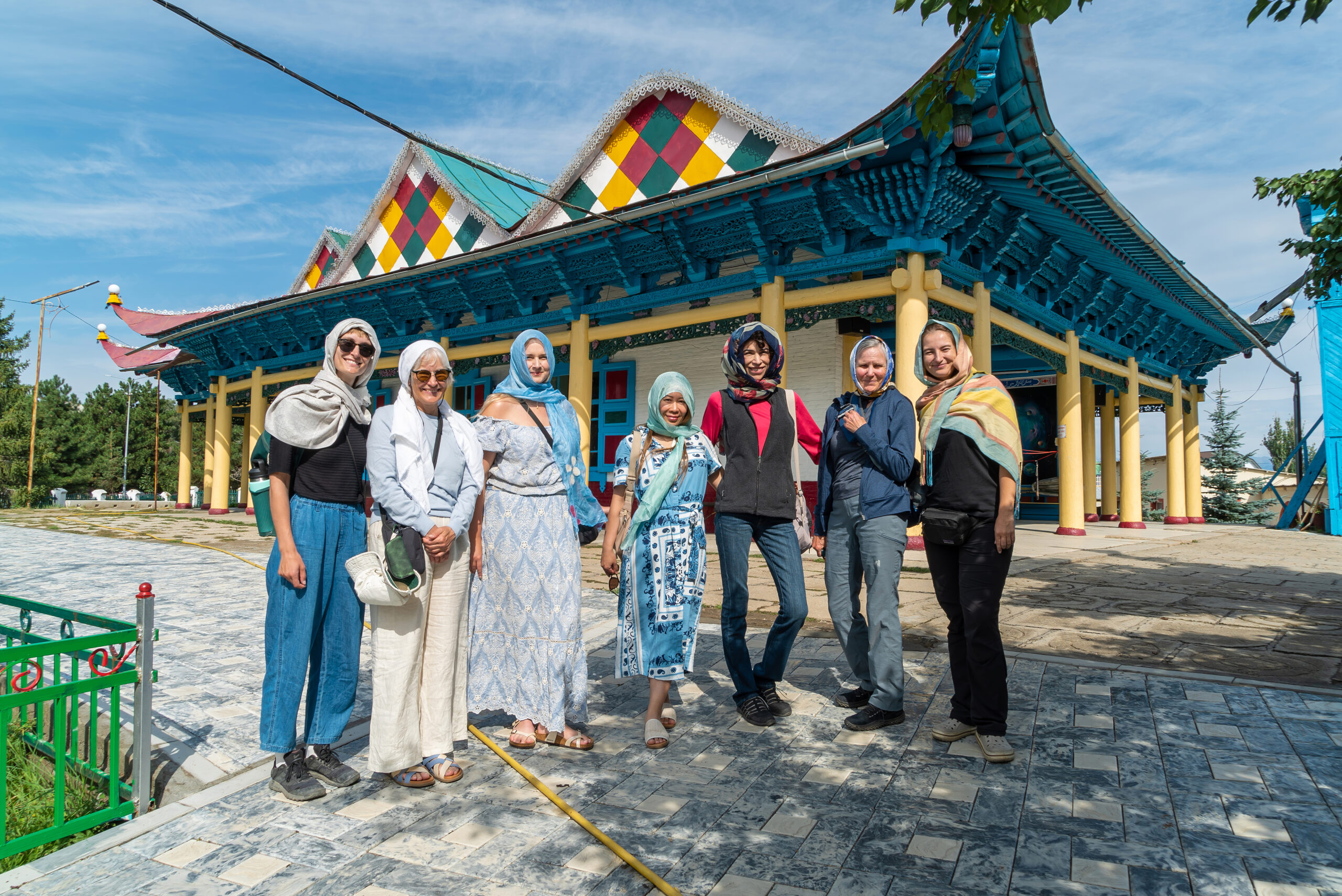
Bishkek is modern and relaxed, while villages and the south are more conservative. Covered shoulders and knees help you blend in, and a light scarf is handy for mosques. On trekking days, practical layers win.
A few words go a long way. Spasibo (Russian) or rakhmat (Kyrgyz) means thank you. And a firm nyet (no) is understood everywhere, no explanation needed.
Getting around and money
- Use ATMs inside banks or hotels, and take out cash in Bishkek or Karakol before heading into the mountains.
- Carry small bills. Yurt camps, village shops and drivers are mostly cash only, and change is hard to come by.
- Keep your bag zipped and in front of you at busy markets like Osh Bazaar in Bishkek.
- Agree on the price and route before getting into any shared taxi.
- For anything beyond a short day hike, go with a local guide. The mountains are beautiful and serious.
When to go
The sweet spot is mid-June to mid-September, when the yurt camps are open, the lakes are reachable and the high passes are clear.
Spring and fall can be gorgeous but unpredictable, with mud, late snow and roads that close with one cold snap. Winter is magical, but it’s for guided snow adventures only.
Seeing Kyrgyzstan with SoFe
On our Kyrgyzstan trip, the long drives, the yurt camps and the logistics are all taken care of, and your driver’s tip is already included. You get to focus on the good part.
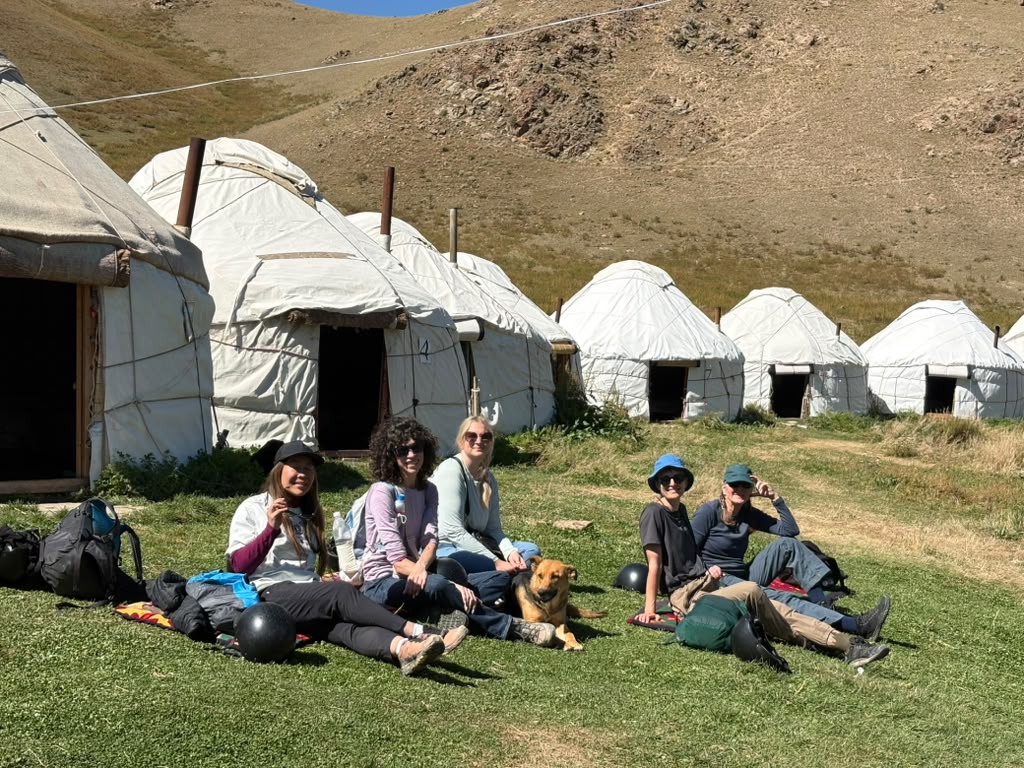
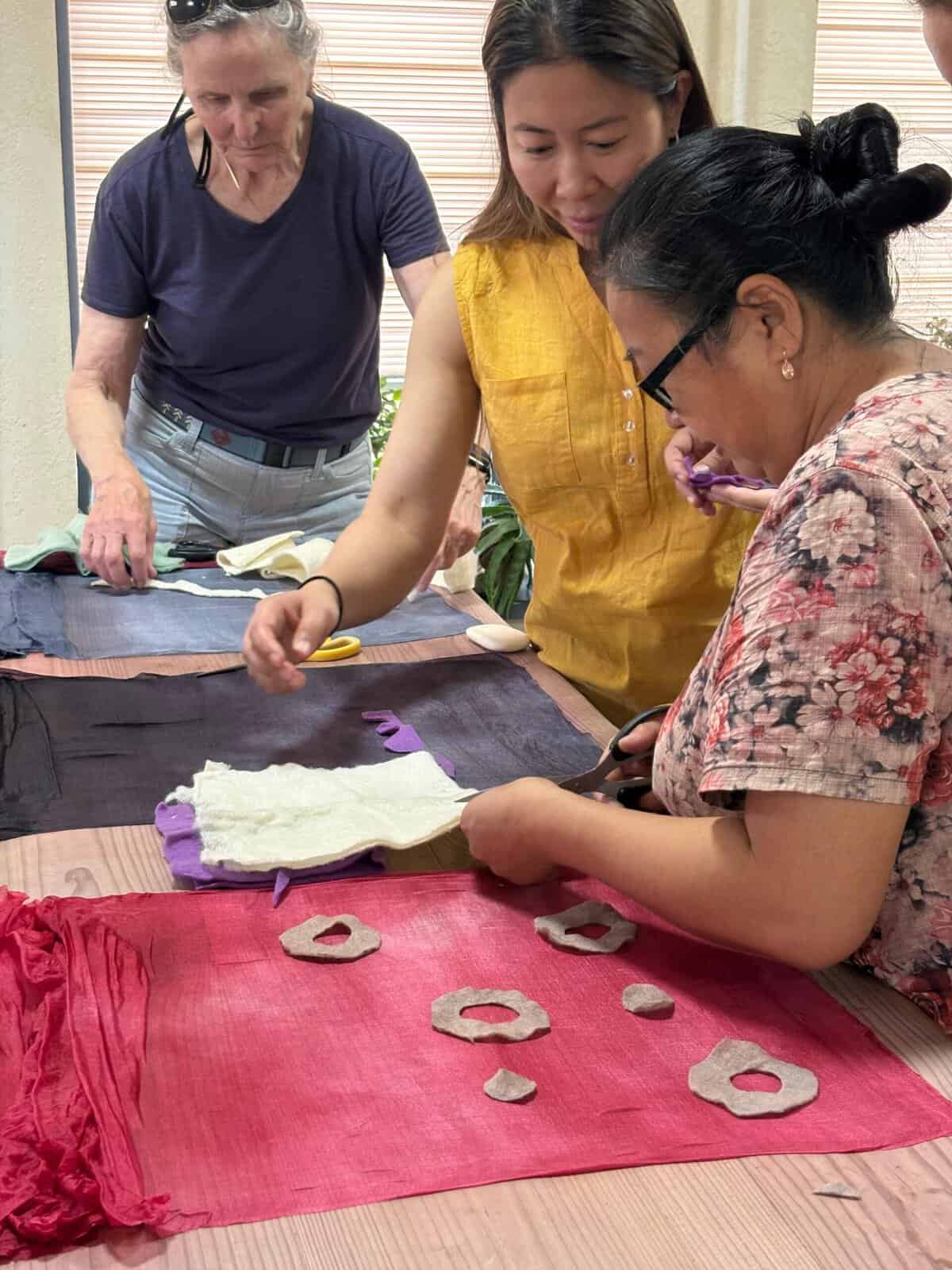
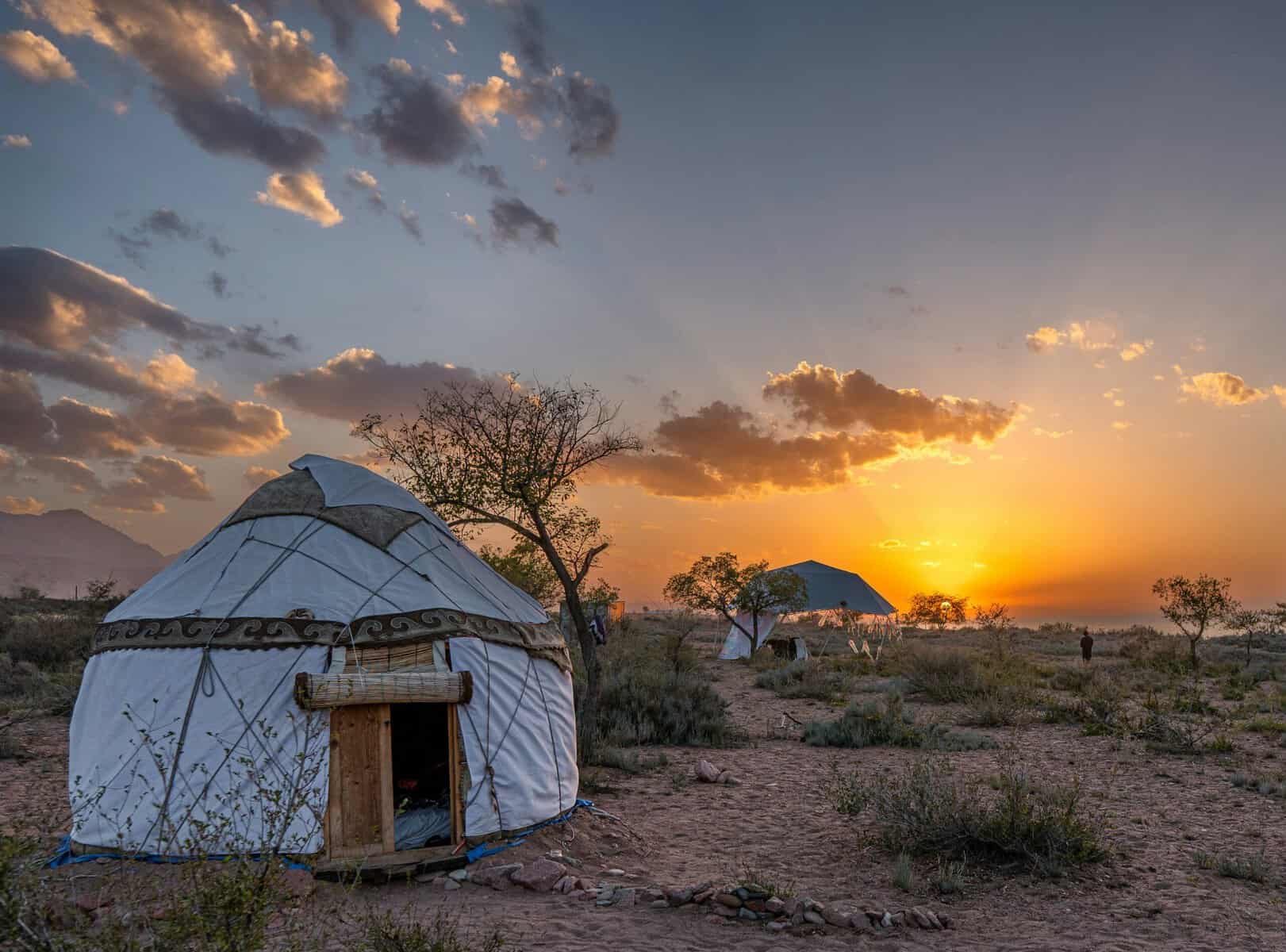
That means sleeping in yurts by Song-Kul lake, helping a local family put up a yurt, watching horseback archery, and meeting the women who make felt rugs and keep bees in the mountains. Before you go, read our Kyrgyzstan travel guide and packing list.
FAQ: Is Kyrgyzstan safe for women?
Is Kyrgyzstan safe for solo female travelers?
Yes. It’s known for warm hospitality, and street harassment is rare. The biggest risks are practical ones like weather, altitude and remote roads.
Do I need to speak Russian in Kyrgyzstan?
Not fluently. English is limited outside the cities, so a few Russian or Kyrgyz words and a translation app will help a lot.
How many days do I need in Kyrgyzstan?
Around 10 to 12 days lets you see Bishkek, a lake or two and the mountains without rushing the long drives.
Do I need a guide for trekking in Kyrgyzstan?
For anything beyond a short day hike, yes. Weather changes fast, trails can be unclear and help can be far away.
When is the best time to visit Kyrgyzstan?
Mid-June to mid-September, when the yurt camps are open and the mountain roads are clear.
The bottom line
Kyrgyzstan is wild, kind and wide open. Respect the mountains, accept the tea and leave the logistics to someone who knows the roads.
Ready to go? See our Kyrgyzstan trip.