Is Japan safe for women? Yes. It’s one of the safest countries in the world, and one of the easiest places to travel as a woman on your own.
The part that catches people off guard isn’t safety. It’s the logistics. Busy train stations, multiple rail companies and huge cities can be a lot, especially if you haven’t traveled much.
We asked women in our community of 580,000+ solo female travelers for their best Japan advice. Here’s what they said, plus what we’ve learned running our own trips there.

Safety in Japan: the short version
Violent crime is rare, people return lost wallets and walking around at night generally feels comfortable, even in big cities. Most women find Japan relaxing in a way few other places are.
There are only a couple of things worth knowing:
- Groping on very crowded trains is a known issue. That’s why many lines in Tokyo and Osaka have women-only cars during rush hour, marked in pink. Use them if you’re commuting at busy times.
- In a few nightlife areas, like Roppongi and Kabukicho in Tokyo, there have been reports of drink spiking and huge surprise bar tabs. Skip bars where someone on the street invites you in, and keep an eye on your drink.
- If you ever need help, dial 110 for police and 119 for an ambulance.
The real challenge: logistics
Japan’s trains are famous for running on time, but the system itself can feel like a maze. Big stations like Shinjuku have dozens of exits, different rail companies share platforms and signs switch between English and Japanese.
A few things make it much easier. Get an IC card like Suica on your phone for trains and convenience stores. Use Google Maps for directions, since it shows the platform and the exact train. And give yourself extra time at big stations.
Luggage is the other headache. Hauling a big suitcase up and down station stairs is no fun, which is why many travelers use luggage forwarding to send their bag ahead to the next hotel.
This is exactly why so many women choose to see Japan with a group. On our trips, the transport, tickets and luggage forwarding are handled, so you get to enjoy the trains instead of decoding them.

Where to go, with tips from our community
Tokyo
Huge, electric and surprisingly calm once you’re in it. Here’s what women in our community loved:
- Senso-ji Temple and the Asakusa neighborhood.
- A walk from Ueno Park past Yanaka Cemetery to the little Yanaka Ginza shopping street, then dinner at a small yakitori spot.
- An early morning ramen tour and the fish market.
- Kabuki theater, which is completely different from Western theater.
- “If you want to experience the nightlife, I’d do Tokyo last. The jet lag is worn off by then.”
Kyoto
The temples, the gardens, the food. For many women, Kyoto is the highlight.
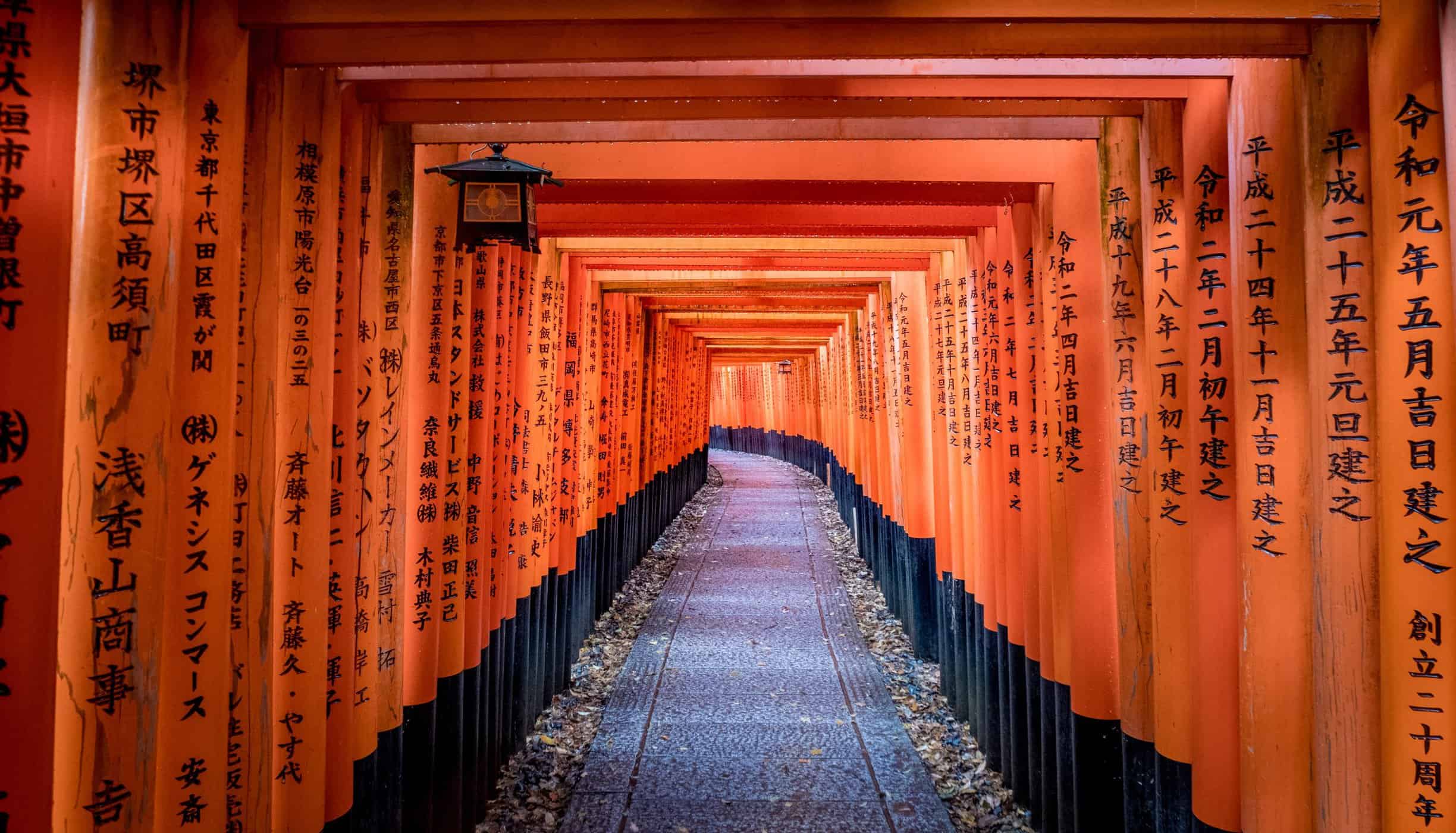
- Go to Fushimi Inari first thing in the morning, before the crowds, and climb all the way to the top.
- Walk the Arashiyama Bamboo Grove and sit at the cafés by the river.
- Take the quick train to Uji if you love matcha. You can do a tea ceremony and eat everything green tea.
- “Kyoto was by far my favorite part of Japan because of its history and traditional aesthetic.”
Osaka and Nara
- “Osaka has the best food and the people are fun!” Head to Dōtonbori to eat your way down the street.
- Osaka Castle, and Himeji Castle, which is a short train ride away.
- Nara is an easy day trip, with ancient temples and the famous deer that roam the park. They’re friendly, but cheeky, so hold on to your snacks.
A few more favorites
- Stay at least one night in a ryokan, a traditional inn.
- See the snow monkeys in Nagano, or soak in the hot springs of Hakone or Nikko.
- Go in cherry blossom season, late March to early April, if you can.
- “Anticipate kindness from the locals. I had a woman go out of her way to walk me all the way back to my hotel in Tokyo when I got disoriented, despite the fact we could barely communicate.”

A few customs worth knowing
Don’t tip. It isn’t part of the culture and can cause confusion. Keep your voice low on trains, skip phone calls in public and carry a small bag for trash, since bins are rare.
You’ll take your shoes off often, so wear socks you don’t mind showing off. And learn a few phrases. A simple arigatou gozaimasu (thank you very much) goes a long way. Our Japan travel guide has more on money, etiquette and onsen basics.
Seeing Japan with SoFe
On our Japan trip, you’ll sleep in a Buddhist temple on Koya-san, walk through bamboo forests and quiet, quirky cemeteries, learn to make ramen and end a day at a traditional ryokan with private hot springs.
Everything in between, from train tickets to bag forwarding, is taken care of. You just get to enjoy Japan. Our Japan packing list will help you get ready.

FAQ: Is Japan safe for women?
Is Japan safe for solo female travelers?
Yes. Japan is one of the safest countries in the world. Use women-only train cars at rush hour and be careful in a few nightlife areas, and you’ll be in great shape.
Is Tokyo safe for women at night?
Generally, yes. Most areas feel comfortable at night. In nightlife districts like Roppongi and Kabukicho, avoid bars where touts invite you in and watch your drink.
Is it hard to get around Japan on your own?
It can be overwhelming at first, especially in big stations. An IC card, Google Maps and extra time help a lot. On a group trip, it’s all handled for you.
Do I need to speak Japanese?
No, but a few key phrases help, and people are incredibly kind. Translation apps work well too.
When is the best time to visit Japan?
Spring for cherry blossoms and fall for the leaves are the most popular. Both are busy, so plan ahead.
The bottom line
Japan is safe, kind and endlessly fascinating. The only hard part is figuring out the trains, and that part is optional.
Want us to handle it? Take a look at our Japan trip.