Is Cuba Safe For Women Traveling Solo?

Cuba—a dazzling island where time slows down, the streets pulse with music, and every corner is bursting with history, color, and culture. It’s no wonder that more and more solo female travelers are adding this unique destination to their bucket lists. But if you’re asking, “Is Cuba safe for women traveling solo?” you’re definitely not alone. Whether you’re seeking adventure, culture, or simply a relaxing getaway, here’s what you need to know to explore Cuba safely, confidently, and with the spirit of adventure that only solo travel can bring.

Is Cuba Safe for Solo Female Travelers?

The short answer? Yes, Cuba is generally safe for women traveling solo. The Cuban people are incredibly warm, welcoming, and often eager to share their island with travelers. That said, like any destination, a little preparation and awareness will go a long way in making your solo journey feel like a true adventure—rather than an anxious experience.

So, let’s get into it! Here are the must-know tips for staying safe and embracing the magic of Cuba as a solo female traveler.

Table of Contents

Practical Tips for Solo Female Travelers in Cuba

To maximize your experience in Cuba, it’s important to remember that Cubans are warm, friendly people who live on island time, enjoy simplicities in life like a cold mojito or a leisurely chat with a tourist. Let your guard down a little to allow for new friends and spontaneous coffee chats, but also remember to be safe. Here are some tips to staying safe as a solo woman traveler in Cuba.

General Safety: Trust Your Instincts

In Cuba, most solo female travelers report feeling safe, especially during the day. The island has a very low crime rate compared to other destinations, and most interactions with locals are positive. However, it’s always a good idea to keep a few basic safety tips in mind.

  • Street Smarts: While Cuba is generally safe, petty theft, such as pickpocketing, can happen in crowded places. Keep your belongings close and secure—especially in tourist-heavy areas like Old Havana or at busy markets.
  • Avoid Walking Alone at Night: Like any city, the vibe changes after dark, and while many parts of Cuba are safe at night, it’s always better to take a taxi or use other transportation options after sunset, especially if you’re in a larger city.
  • Trust Your Instincts: Cuba has a laid-back, friendly atmosphere, but if something doesn’t feel right, it’s okay to walk away. Trust your gut—if you feel uncomfortable or uneasy, listen to that feeling.

Staying in Casa Particulares: The Local Experience

One of the best parts of solo travel in Cuba is staying in a casa particular. These private homestays are a fantastic option for solo female travelers seeking a more authentic and personal experience. They offer the chance to connect with locals, get insider tips, and even have a built-in support system should anything go awry.

Staying in a casa particular means you’re not just a tourist—you’re part of the community. Your host can point you toward the best spots in town, give you tips on how to navigate the area, and even share insights on Cuban culture and history. It’s a great way to travel solo while still feeling connected to the local culture. Plus, they tend to be the most affordable than hotels, leaving you with extra funds for exploring.

While these homestays are safe and welcoming and, it’s always wise to check reviews online or ask other travelers for recommendations to ensure your accommodation is a good fit for your needs.

woman traveler posing at an outdoor art museum in Havana, Cuba

Cuba’s Transportation: Getting Around the Island

Cuba offers a variety of transportation options, but they can sometimes be a bit unpredictable, so it’s good to plan ahead.

  • Public Transport: In Havana, you can easily explore on foot, soaking up the city’s charm. But to reach neighborhoods like Vedado and Miramar, you’ll need to hop on a bus. The hop-on-hop-off buses are a convenient and affordable option for getting around, with tickets costing about $10 per day.
  • Classic Cars & Taxis: Classic cars are a beloved part of Cuban culture, and they make for an unforgettable way to get around the city. Taxis are also available, but be sure to use official, registered taxis to avoid any potential issues.
  • Traveling Between Cities: Traveling from Havana to other popular spots like Varadero, Viñales, or Trinidad is easy, though it can require a bit of patience. Local buses can be a hit or miss, but there’s also a tourist bus service called Cubanacan that’s reliable, affordable, and air-conditioned—perfect for longer journeys.

While the transportation system isn’t always as efficient as what you might be used to, embracing the slower pace of travel in Cuba can lead to some unexpected adventures and new experiences. Plus, there’s something magical about being on the road in one of Cuba’s iconic classic cars!

solo women travelers in a purple vintage car in Havana, Cuba

Cuban food can be absolutely delicious, and it’s one of the highlights of your journey. From savory dishes to fresh fruit, there’s no shortage of amazing flavors to savor. But there are a few things to keep in mind when it comes to food safety in Cuba.

  • Eat Fresh, But Be Cautious: Local cafes and restaurants usually serve up some of the best meals, but when it comes to street food, it’s always a good idea to choose wisely. Stick to places that look clean and well-maintained to avoid any foodborne illnesses.
  • Drink Bottled Water: Tap water in Cuba isn’t always safe for tourists, so it’s best to stick with bottled water throughout your trip. Many local restaurants will offer bottled water as an option.
  • Cuba’s Menu of the Day: Cuban cuisine is a mix of Latin American and Caribbean flavors. Expect lots of rice, beans, plantains, and grilled meats. Breakfasts in Cuba, especially in casas particulares, often include fresh fruit, eggs, and hearty dishes to set you up for a day of exploring.

Common Challenges Traveling In Cuba for Solo Travelers

Scarcity of accommodation options in Cuba

While Cuba has certainly stepped up its accommodation game, especially in popular beach spots like Varadero, the heart and soul of this island is found in its locally-owned accommodations. It’s important to support the small businesses that make Cuba so special—because it’s illegal for some travelers to support government owned properties and the Cuban people need our business. One of the best ways to experience Cuba as a solo female traveler is by staying in a casa particular—a local’s home that’s opened up to guests. Each Casa or Casita is unique, offering a personal touch that you just won’t find in a big hotel.

Staying in a casa particular means you get insider access to Cuba’s best-kept secrets. Your host is your local guide, eager to show you the coolest spots and hidden gems you might miss otherwise. They can share tips on how to get around, help with everyday essentials like grocery shopping, and even navigate the WiFi situation (let’s face it, internet access in Cuba can be tricky!). Plus, these homestays are way more affordable than traditional hotels, which means more funds for exploring this incredible island.

You can find casas particulares online or on Airbnb, but just a heads-up: certain websites might not be accessible in Cuba. So, it’s always best to plan ahead and book in advance, ensuring a smooth and hassle-free stay.

Booking places to stay in Cuba can seem overwhelming at first, but it’s one of the best parts about an adventure in Cuba. We have written The Ultimate Guide To Solo Female Travel In Cuba that helps you navigate everything before you go.

casa in Cuba overlooking the valley

Food Options Are Limited In Cuba

Get ready for “Menu of the Day” to take a literal meaning! In Cuba, there’s no one signature dish that steals the show (except, of course, the ever-present rum!). The food scene is as vibrant and unpredictable as the island itself. Thanks to the effects of the embargo, locals often prepare meals based on what’s fresh and available that day. Supermarkets, as you might know them, are a rare sight in Cuba, but don’t worry—cafes and casas particulares serve up some seriously delicious breakfasts. Expect a feast of omelettes, juicy fresh fruit, and hearty local fare to fuel your day of adventure.

The meals here are a flavorful mix of Latin American and Caribbean influences—picture barbecued meats, rice, beans, and crispy plantains. Every bite is a reflection of the island’s rich, diverse culture, making each meal an experience of its own. So, embrace the spontaneity of Cuban cuisine and enjoy the adventure in every dish!

However, since the country has westernized, a whole host of restaurants have popped up serving international cuisine. But don’t worry, they are still one of the few Starbucks and McDonald’s free countries. 5 Esquinas Trattoria in Havana serves some of the best Italian around, while 304 O’Reilly’s serves fresh seafood, empanadas and excellent tacos. 

Food supply is heavily impacted by weather and season, so it is common for restaurants to run out of ingredients. For example, after the last hurricane, chickens became scarce and eggs were hard to find and difficult to afford. 

Limited Access to Wifi

Say goodbye to lightning-fast internet and easy WiFi access—it’s just not the Cuban way! The burning question for many solo female travelers visiting Cuba is: Is there internet? The answer is yes, but it’s a bit of an adventure. While internet was nearly nonexistent a decade ago, things have improved for both locals and visitors. That said, the connection can be slow, and some websites are still blocked by the government.

WiFi hotspots are primarily found at five-star hotels, which tend to have a monopoly on internet access in many areas. If you need to check in online, pop into a hotel for a quick drink and take advantage of their WiFi. You’ll also find access at local cafes, public squares, and parks—perfect for a little people-watching while you connect.

Some casa particulars offer wifi at limited hours of the day, but expect it to be slow and unreliable.

Here’s the technical part you need to know: to get online in Cuba, you’ll need an ETECSA card. These cards are available at outlets across the island (pro tip: go early, as there’s often a line), and they let you pre-pay for internet access—usually $5 for up to five hours. You can even buy up to five cards at once, perfect for your solo adventure if you plan to stay connected for a while. Once you’ve got your card, head to a WiFi hotspot, scratch off the back to reveal your log-in code, and voilà! Just be sure to log out when you’re done, or your time will continue ticking away.

It’s all part of the Cuban experience—connecting with the island at a slower pace. Embrace it!

Havana scene with cars and colorful houses

Unreliable Transportation

Think crowded public buses, no set schedules, and lines that seem endless. Getting around Cuba might not be as smooth as what you’re used to, but that’s part of the charm! With no trains on the island, buses, taxis, and those iconic classic cars are your main modes of transport. The system can be a bit hit or miss, which is why we recommend our women-only Cuba Tour as the easiest way to explore the island’s highlights without the hassle.

In central Havana, you can easily explore on foot, soaking in the vibrant streets and colorful architecture. But to reach some of the city’s sprawling neighborhoods, like Vedado and Miramar, you’ll need to hop on a bus. The hop-on-hop-off bus is a fantastic option, covering all areas of the city with a ticket that costs about $10 and lasts all day. Whether you’re cruising from Parque Central to the historic Hotel Nacional or taking in the sights along the Malecon, this bus makes it easy—and with its open-air roof, you’ll get the best views of Havana along the way.

When traveling between cities like Havana, Varadero, Viñales, Trinidad, and even Santiago de Cuba, you can catch a local bus. However, be prepared for unpredictable timetables, and keep in mind there have been safety concerns on some routes. Thankfully, Cuba has made it easier for tourists by introducing the Cubanacan tourist bus service. These air-conditioned buses run directly to popular destinations across the island and even offer overnight trips to the eastern side of Cuba. They’re a reliable and affordable option for getting around, though if you want more flexibility (and don’t mind spending a little extra), you can also hire a private driver, like we do on The Solo Female Traveler Network Meetup Tour.

In the end, transportation in Cuba may be an adventure, but that’s all part of the journey! If you plan on going totally solo, there is more information on how to book the most reliable transportation in The Ultimate Guide To Solo Female Travel In Cuba.

Frequently asked Questions About Safety for Solo Women Travelers In Cuba

1. Is Cuba safe for solo female travelers?

Yes, Cuba is considered one of the safer destinations for solo female travelers. The crime rate is low, and locals are friendly and welcoming. However, as with any destination, it’s important to stay aware of your surroundings, especially at night.

2. What’s the best way to get around Cuba?

For solo travelers, the best way to get around Cuba is by using local taxis, hop-on-hop-off buses, or classic cars for short trips within cities. For longer journeys between cities, you can use the Cubanacan tourist bus service or hire a private driver for more flexibility.

3. How can I stay connected to the internet in Cuba?

You’ll need to buy an ETECSA card to access WiFi in Cuba. These cards are available at local outlets and provide a limited amount of internet access, usually around five hours for $5. WiFi hotspots can be found at hotels, cafes, and public parks.

4. What’s the food like in Cuba?

Cuban food is a delicious mix of Latin American and Caribbean flavors. Expect hearty meals of grilled meats, rice, beans, and plantains. Breakfasts often include fresh fruit, eggs, and omelettes, perfect for fueling your day of exploration.

5. What should I be cautious about when traveling solo in Cuba?

While Cuba is generally safe, it’s always good to take basic precautions. Avoid walking alone at night in unfamiliar areas, keep your belongings secure, and trust your instincts. Stick to reputable transport options and book your accommodation in advance.

Conclusion: Is Cuba Safe for Solo Female Travelers?

In conclusion, Cuba is an incredibly safe and rewarding destination for solo female travelers. The warmth and hospitality of the Cuban people make it a place where you can feel comfortable, welcomed, and immersed in the culture. While it’s essential to be mindful of your surroundings and take basic precautions, Cuba offers a unique and enriching travel experience that’s hard to beat.

Whether you’re wandering the streets of Havana, exploring the beaches of Varadero, or enjoying a peaceful moment in the countryside, Cuba has something special to offer every solo traveler. So pack your bags, embrace the adventure, and let Cuba show you a side of the world that’s unlike any other.

Bonus: Cuba Itinerary for Solo Female Travelers

Cuba Map for solo female traveler network tour

Steal our tour itinerary, we don’t mind! We have spent years perfecting our itinerary in Cuba to make transportation easy, include the best local gem restaurants in the country, and experiences that you couldn’t find totally solo. So, whether you come with us and a group of fellow solo female travelers or you decide to brave it totally solo, here is our itinerary for inspiration. For all the information, see the whole tour in detail. 

Day 1: Welcome to Havana

  • Location: Havana
  • Activities: Airport pickup, luggage hold for early arrivals, explore the vibrant streets of Havana.

Day 2: Havana to Viñales

  • Location: Havana & Viñales
  • Activities: Highlights of Havana, dinner at a local’s home.

Day 3: Viñales

  • Location: Viñales
  • Activities: Coffee tasting, cigar rolling, salsa dancing.

Day 4: Bay of Pigs to Cienfuegos

  • Location: Bay of Pigs & Cienfuegos
  • Activities: White sand beach, snorkeling, solo time.

Day 5: Cienfuegos to Trinidad

  • Location: Cienfuegos & Trinidad
  • Activities: Explore Trinidad’s culture and history, solo evening.

Day 6: Trinidad

  • Location: Trinidad
  • Activities: Waterfall swim, beach day, solo time.

Day 7: Santa Clara to Havana

  • Location: Santa Clara & Havana
  • Activities: Che Guevara memorial, classic cars, Revolution Square.

Day 8: Havana

  • Location: Havana
  • Activities: Visit Afro-Cuban culture and artist’s home, rumba performance.

Day 9: Hasta Pronto, Cuba

  • Location: Havana
  • Activities: Breakfast, goodbyes, and check-out.
Best Time to Visit Asia: A Region-by-Region Guide for Women

The short answer: for most of Asia, spring (March to May) and fall (October to November) are the sweet spots. You dodge the worst of the summer heat, the monsoon rains in much of South and Southeast Asia, and the freezing winters up north.


But Asia is huge, and the best time depends on where you’re going. Here’s the quick version, then the details for each region, plus when our women-only trips go.


Japan and East Asia
March to May, October to November
Southeast Asia
November to April for most of it. Bali is best April to October
India
October to March
Nepal and Bhutan
October to November, March to May
Central Asia
April to June, September to October
Mongolia
June to early October
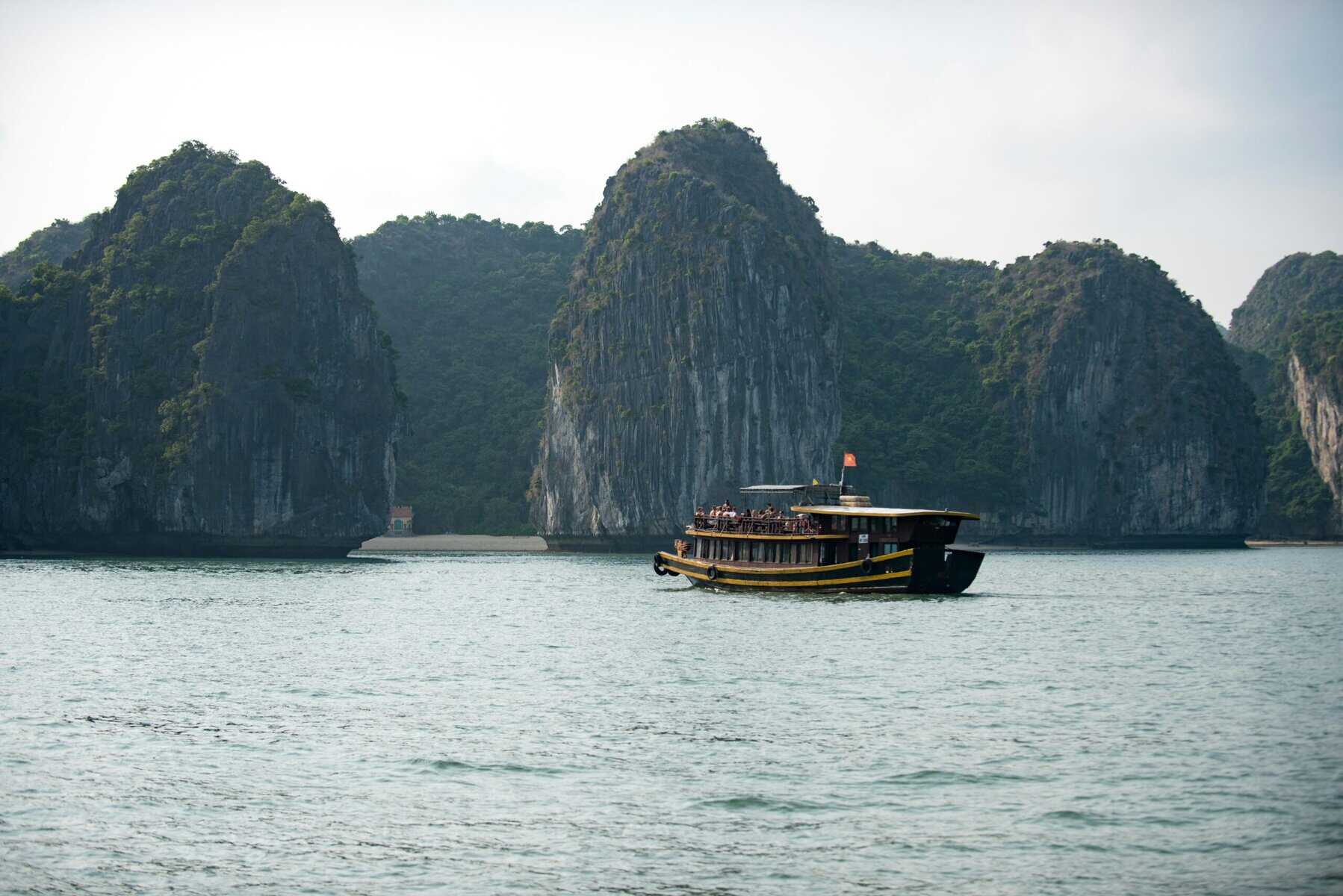
Junk boat on our women-only tour to Vietnam.

Japan and East Asia


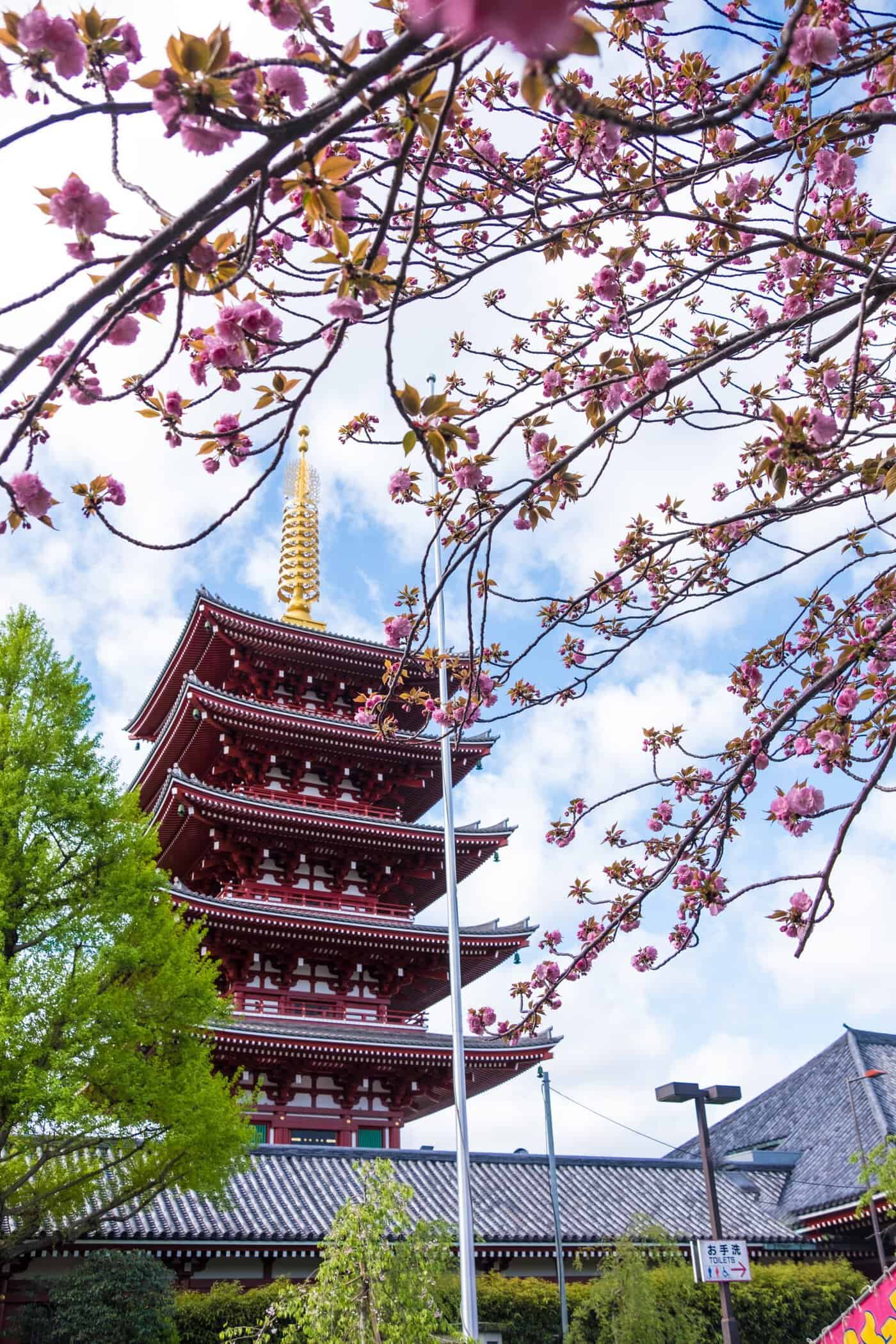
Spring brings cherry blossoms, usually late March to early April, and fall brings brilliant red and gold leaves in November. Both seasons have mild weather and are the most popular times to go, so book early.


Summer is hot and humid with a rainy season in June and early July, and winter is cold but beautiful, especially for snow and hot springs.


Our Japan trip runs in early April for cherry blossoms and in late November for fall colors.

Cherry blossom season on our Japan trip

Southeast Asia


For most of mainland Southeast Asia, including Thailand, Cambodia and southern Vietnam, the dry season runs roughly November to April. The rainy season, around May to October, brings afternoon downpours, fewer crowds and lower prices.


Vietnam is long, so the weather changes from north to south. Spring and late fall are great for a trip that covers the whole country. Our Vietnam trip goes in April and November.


Bali runs on a different calendar. Its dry season is April to October, and the wet season is roughly November to March. Our Bali trip goes in May and September, the best of the dry season without the peak crowds.

India


October to March is the best time for most of India, with warm days, cooler nights and little rain. April to June gets extremely hot, and the monsoon arrives around June to September.


If you can, plan around a festival. Holi, the festival of color, happens in March, and our India for Holi trip is built around it. Our Deep End of India trip runs in November, when the weather is perfect.

Nepal and Bhutan


October and November bring clear skies and the best mountain views after the monsoon. Spring, March to May, is the other great window, with blooming rhododendrons and warmer days.


The monsoon, roughly June to September, brings clouds and rain that can hide the peaks. Our Nepal + Bhutan trip goes in April and in late October to November.

Tiger's Nest on our Nepal + Bhutan trip

Central Asia


In Uzbekistan, spring and early fall are ideal. Summer can be scorching, often well over 100°F in the desert cities. Our Uzbekistan trip goes in March and September.


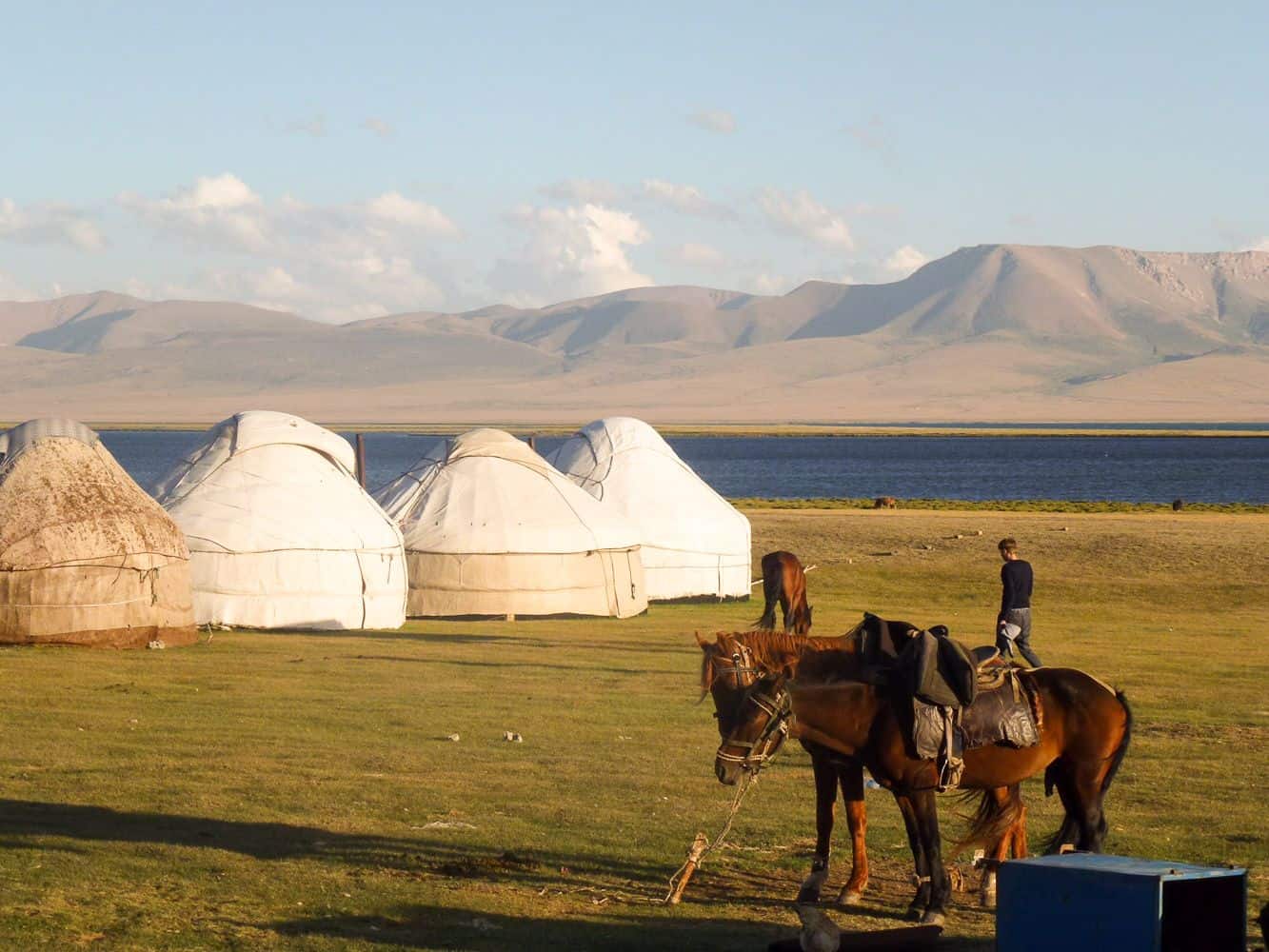
Kyrgyzstan is mountain country, so summer is the season. Mid-June to mid-September is when the yurt camps open and the high lakes are reachable. Our Kyrgyzstan trip runs in July and late August.

Yurt season on our Kyrgyzstan trip

Mongolia


Mongolia’s travel season is short: roughly June to early October. Winters are some of the coldest anywhere.


Summer brings the Naadam festival in July, and early fall brings the Golden Eagle Festival in western Mongolia, when Kazakh eagle hunters gather in full traditional dress. Our Mongolia trip is timed for the eagle festival, at the end of September and start of October.

FAQ: the best time to visit Asia

What is the best month to visit Asia?

There’s no single best month for the whole continent, but April and October work well for the most places at once.

In South and much of Southeast Asia, the main monsoon runs roughly June to September or October. Bali and parts of Indonesia are wettest from about November to March.

The rainy or shoulder seasons are usually cheaper and less crowded. Just plan for some rain and a bit of flexibility.

Usually late March to early April in Tokyo and Kyoto, depending on the year’s weather.

Spring or fall, when the weather is mild in most places. Japan in spring is a wonderful, easy first trip.

The bottom line


Wherever you’re dreaming of, timing makes a big difference. Pick your season first, and the rest gets easier.


Not sure where to start? Take our trip quiz, or see all our upcoming trips.

The Safest Countries in Asia to Visit, According to the Global Peace Index

The safest countries in Asia, according to the 2025 Global Peace Index, are Singapore, Japan, Malaysia, Bhutan, Mongolia and Vietnam, followed by Taiwan and South Korea.


The Global Peace Index ranks 163 countries every year on things like crime, violence and stability. It isn’t a perfect measure of how safe a place feels for a woman walking home at night, so we’ve added what we know from taking women to these places.


Here’s a closer look at the top six.

1. Singapore


Singapore is the most peaceful country in Asia and ranked 6th in the world in 2025. Crime is very low, the streets are spotless and public transport is easy and safe at any hour. It’s also widely considered one of the cleanest countries in Asia.


It’s a great first stop in Asia, or an easy stopover on the way to somewhere else.

2. Japan


Japan ranked 12th in the world and 2nd in Asia. Violent crime is rare, lost wallets come back and walking around at night generally feels comfortable, even in Tokyo. Like Singapore, it’s often named one of the cleanest countries in Asia.


The two things worth knowing: use the women-only train cars at rush hour, and skip bars where touts invite you in. Read our full guide on whether Japan is safe for women, or see our Japan trip.

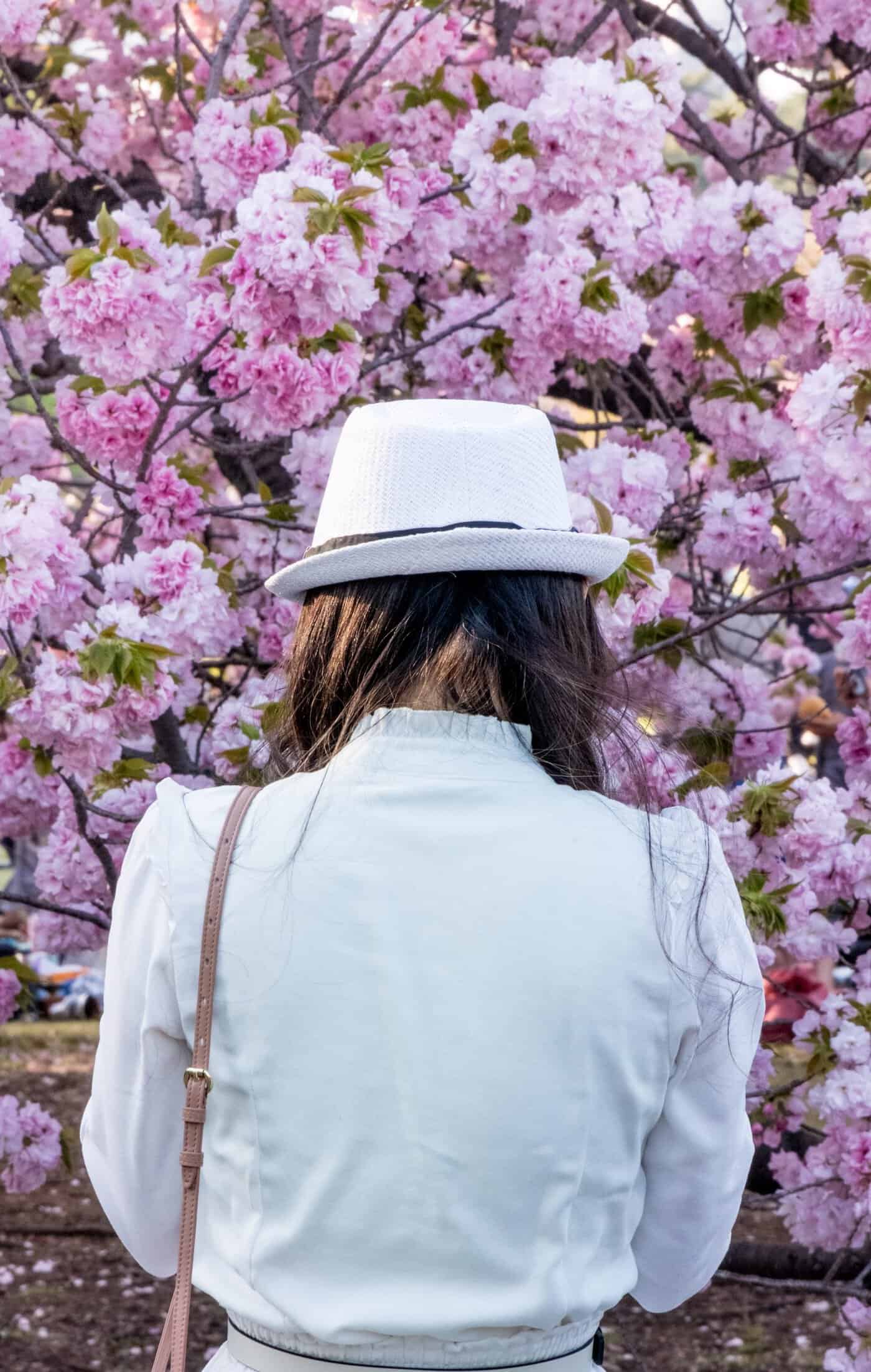
Japan Cherry Blossom Trip for women
Cherry blossom season on our Japan trip

3. Malaysia


Malaysia ranked 13th in the world. Kuala Lumpur is modern and easy to get around, and the islands and rainforests are beautiful.


It’s a conservative, mostly Muslim country, so covered shoulders and knees are respectful outside the beach areas, and a scarf is handy for mosques.

4. Bhutan


Bhutan ranked 21st in the world and 4th in Asia. It’s peaceful, deeply Buddhist and controls tourism carefully, so it never feels crowded.


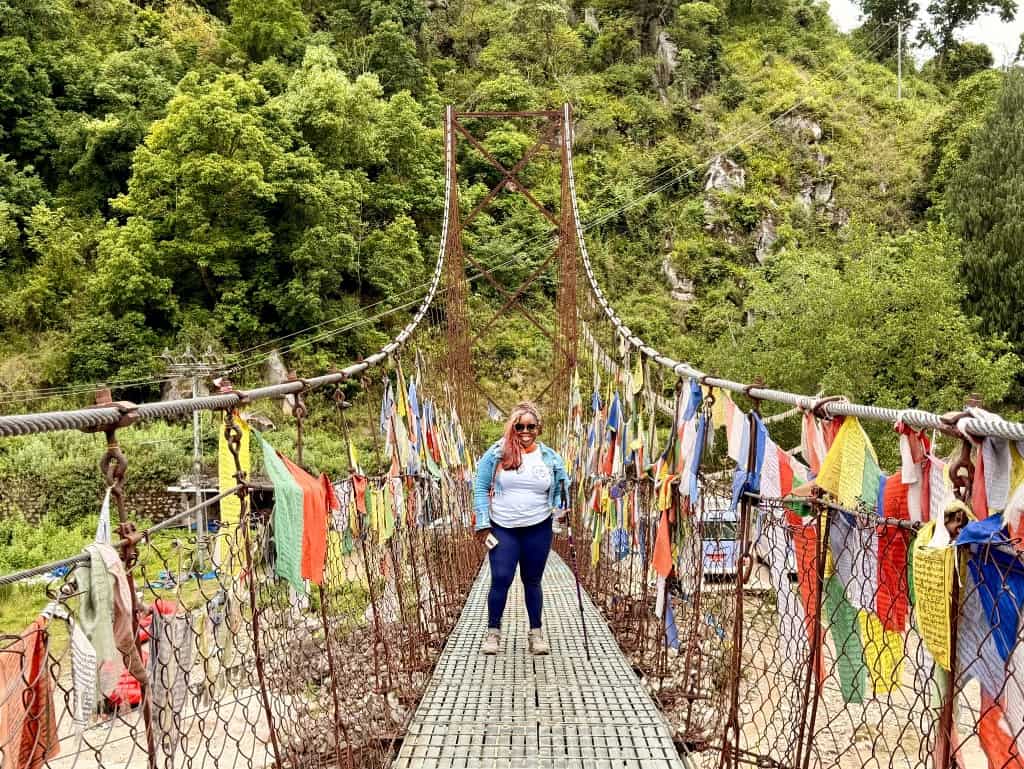
Visits are arranged in advance with a licensed guide, which makes it one of the easiest places in Asia to feel looked after. We pair it with Nepal on our Nepal + Bhutan trip, including the hike to Tiger’s Nest.

Prayer flags on our Nepal + Bhutan trip

5. Mongolia


Mongolia is the fifth most peaceful country in Asia. It’s vast, wild and famously hospitable, and in the countryside, visitors are welcomed into family gers with milk tea.


The challenges are distance and weather, not crime. In Ulaanbaatar, watch for pickpockets in busy markets. Our Mongolia trip is timed for the Golden Eagle Festival.

6. Vietnam


Vietnam is the sixth most peaceful country in Asia. Violent crime against tourists is rare, and people are warm and welcoming.


The main things to watch for are bag snatching from passing motorbikes in Hanoi and Ho Chi Minh City, and overcharging. Carry your bag on the side away from the road. Our Vietnam trip runs from Hanoi to Hoi An.

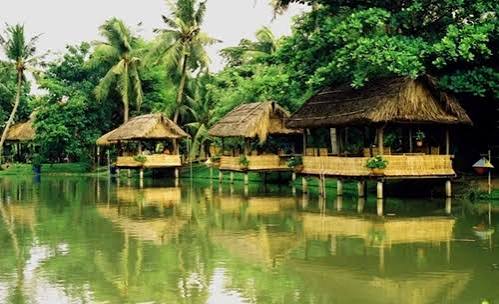
Stilt houses in Mai Chau on our Vietnam trip

What about Bali?


Indonesia isn’t in Asia’s top six, but Bali is one of the easiest places in the region for women traveling on their own. It’s welcoming and easygoing, and the main things to watch for are scooter traffic, monkeys in Ubud and cheap cocktails made with local arak. See our Bali trip.

FAQ: the safest countries in Asia

What is the safest country in Asia?

Singapore, according to the 2025 Global Peace Index. It ranked 6th in the world, followed in Asia by Japan and Malaysia.

Singapore and Japan are the two most often named, with strict litter rules in Singapore and a strong culture of keeping public spaces clean in Japan.

Japan and Singapore are the easiest places to start. Bhutan is also a great choice, since visits are arranged with a guide.

Generally, yes, with the usual city smarts. Petty theft and scams are more common than violent crime. Vietnam ranks among the most peaceful countries in Asia.

It isn’t necessary everywhere, but a small group takes care of the logistics, which is the hardest part in places like Bhutan, Mongolia and Vietnam.

The bottom line


Asia has some of the safest countries in the world, and some of the most rewarding. Start with the places on this list, and you’ll be in great hands.


Ready to go? See all our upcoming trips, or read about the best time to visit Asia.

A Complete Guide To Travel Insurance For Solo Female Travelers

When you are traveling solo as a woman travel insurance is one of those love-hate things. No one wants it until you need it. We’re going to talk about travel insurance – and whether you need it as a solo female traveler, where to buy it, and what to look for.

Woman Solo Traveling bungee jumping in South Africa
The first (and last) time our founder bungee jumped, South Africa 2018

Table of Contents

Do You Need Travel Insurance as a Solo Female Traveler?

A few words from founder of SoFe Travel, Amanda Black…


“After visiting 80+ countries (and many of them, 2 or 3 times), here’s what I’ve learned:


  • It takes 1 second to sprain your ankle and wind up in the hospital on the first day of your three-week African safari
  • It takes 1 person to enter your room, clear out your valuables, and disappear to find yourself stranded without money or clothes
  • It takes 1 simple mistake to end up in Austria without any luggage
 
So is travel insurance really necessary as a woman traveling solo? Yes. In a perfect world, no. But in our world, it saves the day. In the grand scheme of my travels, for every dollar I’ve spent on travel insurance, I’ve got every cent back.”


When it comes to travel, it’s just a matter of time (and perspective!) before you run into a snag and you’re faced with a tough situation.


Just get the insurance.


It doesn’t need to be expensive or complicated, but it will cover you from risks and just, well, life. You’ll get reassurance and the confidence to simply enjoy, be present, and know you’re taken care of.

What should be included in my insurance coverage?

Insurance is personal – meaning it will depend from person to person, depending on what you need. However, there are some general things that you can include or opt out of depending on your travel, lifestyle, and well, how covered you want to be. The difference? Cost. Below, we’ll break down the different components you should consider.

Trip Cancellation

Imagine your bags are packed, time booked off work and your two-week adventure around Italy all planned down to the nines. You’re doing Rome and the Amalfi Coast and even Capri. Then your house floods. Or a loved one gets sick. Or a global pandemic shuts down borders across the world. The point is, life happens, and life can cost a lot. Like many travel companies, SoFe’s terms and conditions are pretty strict when it comes to cancellations and non-refundable deposits. There are a lot of logistics around organizing tours and stays, and last-minute cancellations don’t change the costs already invested – which is exactly what Trip Cancellation Insurance is for. Recoup your expenses through your insurance so you won’t lose out.


Trip cancellation insurance can cover:

  • Non-refundable deposits (like retreats or meetups)
  • Airfare
  • Accommodations
  • Excursions
  • And more


Check the limits of this coverage to make sure the amount you’re entitled to will actually compensate you adequately. Sometimes there are deduction fees, so take a look at what those are and make sure they are worth it. You’ll also want to check when you can cancel and still receive a payout. Some companies offer ‘cancel at any time’ coverage, which is more flexible.


Our recommendation? Hands down the best policy for trip cancellation insurance is Travel Insured. 

Riding camels in the Sahara Desert on The Morocco Meetup Tour

Evacuation

Evacuation insurance sounds extra and scary, but after March 2020 left tens of thousands of travelers stranded all over the world and paying exorbitant fees to be evacuated safely, we’ve decided it is a priority. Evacuation basically means for whatever emergency reason, you’re going to be evacuated safely. This covers medical or non-medical situations, terrorism, civil unrest, natural disasters or other emergencies that require you to get out of that place, ASAP.


For example, medical evacuation covers serious injury or illness, flying you home to your own country where the medical staff speak your language and you can be supported by loved ones.

Repatriation

Another thing to check for is repatriation – which isn’t so much for you but for your loved ones. Imagine you pass away overseas and your family wants to take your body home. Okay yes, it’s a morbid thought – but there are all kinds of complications around that process. With repatriation insurance, at least you can make it home (even if you won’t be around to witness it).

Starting or Extending Policies

If you’re an “anything goes” type of gal, this policy is for you.

Starting or extending means if you delay or extend your trip, you can adjust those dates without penalty. Some companies without this policy are super strict and you cannot purchase insurance if you’ve already left on your trip…but this policy will let you play it by ear. SafetyWing, discussed later, is our FAVorite option for the bounce-around-type-of-gal!

Swimming through the trees on The Bali Meetup Tour

Medical Expenses Insurance

Okay, so this policy is probably the most important of them all. Medical expenses or fear of injury or illness is the number one deterrent that keeps people from pursuing their traveling dreams. So you’re already in a foreign country, possibly don’t speak the language and are either super sick or injured…and then you have to max out your credit card just to get admitted somewhere.


Not a good scene in anyone’s books.


However! Medical expenses are covered in just about all travel insurance policies, so what you’re going to want to pay attention to is the amount of coverage you can get.


Typically, you’ll need to cover the costs upfront and expect reimbursement later – but depending on where you’re traveling, there may be reciprocal healthcare relationships in place, just ask your provider.

Japan food tour on women only tour girl eating noodles
Touring the food scene on The Japan Meetup Tour

Pre-existing Conditions

If you already have a pre-existing condition such as heart issues, diabetes, asthma or well, anything else considered serious, your insurance rates might be different. It might not be fair, but it’s the way it goes as you’re considered a higher risk to the company. But some companies are more lax about it than others.


As a general rule, if you have a managed and relatively less serious condition like type 2 diabetes, it would be covered automatically (although you should declare it and always double-check it’s included).


If you have a terminal illness, a pacemaker, a condition that requires surgery or has recently required surgery, you can expect to pay more – if you can get coverage at all.


If you’re traveling with a pretty significant pre-existing condition, there are some dedicated travel insurance providers such as All Clear Travel Insurance that you should take a look at.

Extreme Sports

Shout out to our wild childs’! If you’re more of the let’s go surfing and hiking glaciers and backcountry skiing down the slopes of Hakuba in Japan, travel insurance is probably more for you than for anyone else.


All companies differ in what they categorize as extreme or adventure sports or those that require specific coverage. Climbing at high altitudes, skydiving, shooting sports, some moped and motorbike riding, cliff jumping and sailing generally require extra or different coverage plans. Even things like scuba diving can have limits, according to the depth you’re diving, whether you’re with a qualified instructor, whether you have an open water license and the equipment you use. If you’re planning on running with the bulls in Pamplona or zip lining though a Canadian forest, check your policy.


One of the best companies for thrill seekers is SafetyWing which has extensive coverage for all kinds of adventurous, extreme sport-type things.

Lost or stolen baggage

Guess what the NUMBER ONE submitted claim is for travel insurance. Yep, it has to do with baggage. Despite advances in systems and technology, missing baggage claims have actually gone up since 2020, primarily due to airline staff shortages across the world. Typically lost or stolen baggage is included in your basic travel insurance, but you’ll want to check or add it if it’s not.


If you’re taking valuables away with you, like expensive jewelry, musical instruments, sporting gear or like, your work computer…it’s really important to check that they are covered. The wording on policies can be sneaky and providers are especially careful about this becasue so many people do make this sort of claim. You may only be covered if your provider deems you were acting responsibly (not leaving items unattended) and this can be a really gray area.


Our recommendation? Get the baggage coverage. If you’re a traveler and have not yet experienced missing luggage, you’re one of the lucky few. It’ll catch up with you, we promise.

The Egypt Meetup Tour

Electronics Coverage

Some companies only cover electronics like laptops, phones, iPads, and camera gear if they’re in your carry-on. Even then, the coverage may only apply if the items are in checked baggage that has been lost (as opposed to stolen). These days, our electronics are a pretty important part of travel for many of us, especially those of us who are digital nomads. So check for this. Make sure your two thousand dollar drone is covered. We speak from experience.

What to do when something goes wrong

Okay, so something went wrong.


First, keep your cool. Realize you’re going to be fine, you’ve got coverage and it wasn’t your fault.


Second, document everything. We’re talking police reports, receipts, emails from your airlines about delays, all of it. Record and keep everything with accurate dates and times. Take photos of paper receipts on your phone. Use an app to record phone calls if you need evidence of verbal agreements or instructions. Take time-stamped photos of any valuable gear your take with you.


Third, read the fine print of your policy to know exactly what’s covered and what’s not. Ideally, doing this beforehand is the way to go. But if you’re already in a situation, you’re going to feel a lot better knowing what’s in the document and what you’re actually covered for.


Fourth, hindsight is great but foresight is better. That’s why you’re reading this article, isn’t it?


So IF you’re in the middle of deciding whether or not you want to save $6.00, just don’t. Get the highest level of coverage you can afford. There’s nothing more frustrating than paying for a policy, trying to claim, and realizing you’re not actually covered for the circumstance you’re in. I’m telling you, it’ll be worth it.


Expect the unexpected, both good and bad. That’s what travel is about!

Lounging poolside on The Bali Meetup Tour

Which Insurance Company is Best For Solo Female Travelers?

There are literally thousands of insurance companies around the world with tons of moving parts and fancy lingo. The plan you choose depends on what is most important for you. But if you’re more of a generalist and are looking for a solid plan that covers all the basics without breaking the bank, keep reading.

#1 Company for All-Around Travel insurance: Travel Insured

If you’re going on one of our SoFe Travel Meetup Tours, go with Travel Insured – not only because it’s a great company – but also because we have a dedicated rep so if anything goes wrong, we can contact them directly.


That means we get access to your details in case of emergency and we’ll be able to make decisions based on your level of coverage on your behalf.


UPSIDES: good coverage, reasonable pricing, and top priority on urgent claims. Can cover individuals from across the world.


DOWNSIDES: their claims process for non-emergency stuff isn’t very fast – which is only annoying if you need the reimbursement quickly.


We’ve (the SoFe Travel team) used Travel Insured for years and all of our experiences have been good.


“When all my stuff was stolen in Mexico, I was issued payment for the maximum amount allowed in less than 6 days. It replaced a stolen computer, camera, lenses, dive gear and cash…IN A WEEK. That’s pretty damn good in the insurance world.” -Amanda, SoFe Travel Founder

For less serious claims (like a $50 doctor visit), they may take a bit longer. Another SoFe team member used Travel Insured when she was in Australia and felt off. She went to a naturopath and got expensive, fancy vitamins and an IV drip, and Travel Insured covered it all. So the medical expenses don’t have to be traditional Western standards, either.

#1 Company for frequent travelers: Safetywing

SafetyWing is another favorite of ours, founded by Norwegian digital nomads and focuses on providing great coverage for people who spend a lot of time on the road. There’s an interesting thread on ProductHunt where the CEO and Co-Founder, Sondre Rasch, chats to commenters about how the start-up began and grew here.


These plans are amazing because they are SUPER affordable, and you can book for weeks or months or even a year at a time. The longer your trip, the cheaper the weekly cost is. You choose your start and end dates and can cancel at any time, which is obviously ideal for the lifestyle of a digital nomad. Some home country coverage is also included, which isn’t that common – and is a major perk. There are also add-ons including US coverage, Adventure Sports and Electronic Theft. 


UPSIDES: good coverage, reasonable pricing, can be purchased while you’re already traveling. Especially good for nomads.


DOWNSIDES: they are a newer company, which doesn’t really mean that much.


PS. They also have a subscription model for their services, which makes them pretty flexible for frequent travelers.

#1 company for non-North American individuals: Allianz

Allianz is another name that comes up a lot when you search for travel insurance recommendations. They’re one of the big companies out there, backed up by one of the world’s biggest diversified insurance companies, so they know their stuff.


Although they don’t have coverage that encompasses the breadth of activities that our other preferred companies do, they do provide coverage for almost every nationality in the world.


Allianz has a 24-hour hotline with multilingual staff on hand which we’ve found handy. While the premiums are generally lower at Allianz, so are the limits, meaning the caps on reimbursement for things like lost luggage may not be as high as other providers.


UPSIDES: good customer service and simple submission process


DOWNSIDES: doesn’t cover everything, just the basics

Insurance in a snapshot


Coverage

Travel Insured

SafetyWing

Allianz

Who

North Americans

Most people 

Almost everyone

Trip Cancellation

Up to 100%

No

Up to 100%

Evacuation

Up to $150,000

Up to $10,000

Up to $1,000,000*

Repatriation

Up to $1,000,000

Up to $20,000

No

Delay/Extend

Up to 150% of cost


Up to 100%

Medical 

Up to $1,000,000

Up to $250,000

Up to $50,000

Pre-existing Conditions

Sometimes

Up to $25,000

Sometimes

Extreme Sports

Yes

Up to $100,000 (with the add-on)

Up to $1,000

Baggage

Up to $1,000

Up to $3,000

Up to $2,000

Electronics

If checked-in luggage

Up to $3,000

If checked-in luggage

Average price based on two-week trip **

$160-250

$40-80

$150-350

**The prices here are subject to age, health, coverage, and more. This number is an estimate only and not to be taken as absolute.

Conclusion: Do Solo Female Travelers Need Travel Insurance?

Yes. Travel insurance is an essential companion for solo female travelers, offering not only financial protection but also peace of mind as you explore the world. From safeguarding against unforeseen medical emergencies to covering trip cancellations, lost belongings, and more, the right insurance plan can make all the difference. Remember to assess your travel needs, compare policies, and understand the fine print to ensure you’re adequately covered. With the right preparation and coverage, you can embark on your adventures with confidence, knowing you’re ready for whatever comes your way. Safe travels!

FAQs: Travel Insurance for Solo Female Travelers


1. Do I really need travel insurance as a solo traveler?

Yes, travel insurance is highly recommended, especially for solo travelers. It provides financial protection in case of emergencies such as medical issues, trip cancellations, or lost belongings. When traveling alone, having insurance ensures you’re supported even without a travel companion to rely on.


2. What types of coverage should I prioritize?

Key coverages to prioritize include medical emergencies, trip cancellations or interruptions, lost or stolen belongings, and personal liability. Adventure activity coverage might also be important if you plan to engage in activities like hiking or scuba diving.


3. Are there travel insurance policies specifically for women?

While there aren’t policies exclusively for women, many insurance providers offer customizable plans that can address specific needs. For instance, you might want a policy that covers solo activities or has provisions for higher-risk scenarios common to solo female travelers.


4. How do I choose the best travel insurance provider?

When selecting a provider, compare policies based on coverage options, customer reviews, claim processes, and cost. Make sure the provider has a reliable reputation and offers 24/7 assistance.


5. Does travel insurance cover theft or assault?

Most travel insurance plans cover theft of personal belongings, provided you file a police report. For assault or other personal safety incidents, coverage depends on the policy, so it’s important to review terms related to personal liability and medical coverage.


6. Can I buy travel insurance after booking my trip?

Yes, but it’s best to purchase travel insurance shortly after booking your trip. This ensures you’re covered for unexpected cancellations or interruptions that might occur before departure.


7. Is travel insurance valid if I visit multiple countries?

Most travel insurance policies are valid for multiple countries, provided you list them when purchasing the policy. Some plans also offer worldwide coverage, but it’s important to check exclusions for specific regions.


8. What should I do if I need to make a claim while traveling?

In case of an incident, keep all relevant documentation, such as medical reports, police reports, and receipts. Contact your insurance provider immediately for guidance on submitting a claim.


9. Are there exclusions I should be aware of?

Yes, travel insurance policies often have exclusions, such as pre-existing medical conditions, extreme sports, or travel to high-risk areas. Always read the fine print to understand what isn’t covered.


10. Can I extend my travel insurance if I decide to stay longer?

Many providers allow you to extend your travel insurance coverage, but you’ll need to do so before the original policy expires. Contact your provider to discuss extension options.

Top 9 Safest Places to Visit in Africa for Women Traveling Solo

Chances are, if you’ve told family and friends that you’re heading on a solo trip to Africa, they’ve raised some concerns, especially as a solo female traveler. We’ve done the research on the safest countries in Africa for women to travel to alone, and here is what we’ve found.

woman traveling solo looking at table mountain

Table of Contents

Maybe they’ve told you Africa isn’t safe and that you should head somewhere else instead. But, when you’re dreaming of golden sand dunes, richly spiced dishes, getting up close with the Big Five, and exploring a mosaic of glistening water channels, it’s harder to ignore those urges.

Don’t be put off by what you’ve heard: Africa is an incredible continent to explore and there are plenty of places that are safe for solo female travelers.

Not sure where to visit first? We’ve got you covered. Read on for our list of the top safe places to visit in Africa as well as guidance on where to go and what to see in each country.

Mauritius_TopSafestPlacesToVisitInAfrica_SoFe

Mauritius

Considered the safest spot in Africa, Mauritius is a haven of blue and green tones, punctuated by soft white sand.

Sunbathe on the gorgeous beaches of Le Morne, Flic en Flac, or Ile aux Cerfs, snorkel or scuba dive in the clear waters to see colorful coral reefs and exotic fish, hike or bike in the scenic mountains of Black River Gorges National Park, or visit charming towns and villages of Grand Baie, Port Louis, and Mahebourg.

Not only is Mauritius top of the list when it comes to the safest places in Africa to visit, but it’s also on the most beautiful.

Mauritius has an incredibly diverse culture, including influences from Africa, India, China, and Europe. That means the food scene is pretty stand-out here, too. Look out for aubergine curry, farata flatbreads, and coconut cakes.

Top tip: While most passports don’t need a visa to enter Mauritius, you will need proof of onward travel (a return ticket) and accommodation pre-booked. Sure, you may not always be asked this at the border, but it’s good to be on the safe side!

safari for solo female travelers

Rwanda

Known as the “Land of a Thousand Hills,” Rwanda is a shining example of safety and progress in Africa.

Its capital, Kigali, is one of the cleanest and most organized cities on the continent, making it a comfortable starting point for solo female travelers. The country is recognized for its low crime rates and welcoming atmosphere, with a strong focus on gender equality and community well-being.

Adventure seekers can experience the awe of gorilla trekking in Volcanoes National Park, while nature lovers will enjoy the serene beauty of Lake Kivu and the vibrant biodiversity of Nyungwe Forest. With its breathtaking landscapes, warm locals, and commitment to safety, Rwanda offers a perfect balance of culture and adventure for solo female travelers.

Ghana_TopSafestPlacesToVisitInAfrica_SoFe

Ghana

While “a rainbow of colors” might be an overused phrase in the travel world, Ghana definitely justifies the saying.

Famous for its traditional festivals, coastline-backed castles, and unbeatable warmth and hospitality, Ghana is one of the safest places to visit in Africa and comes bursting at the seams with things to do.

For the culture buffs, you’ll find sacred shrines and temples that reflect the religious diversity of the country. Its natural parks and UNESCO World Heritage Sites offer a trip back in time, while its lively markets showcase local arts and crafts.

Top tip: Ghana’s tropical climate means you can visit on a year-round basis (winter getaway, anyone?) but the best time to visit is between November to March, when the humidity is a little lower.

MoroccoGroup_BestTimeToVisitAfrica_SoFe

MOrocco

If you’re looking for a blend of adventure, culture, and luxury, Morocco is the place to be. Morocco offers a stunning variety of landscapes, from the rugged Atlas Mountains to the golden Sahara Desert, from the ancient medinas to the modern cities.

Experience the thrill of riding a camel over the sand dunes at sunset, and spend the night under the stars in a luxury desert camp. Relax on the rooftops of historic riads, and explore the blue city of Chefchaouen, where you can wander through the cobblestone streets and sip sweet mint tea. While Morocco may be a little tricky to navigate solo, our women-only group tour takes the stress out of the experience so you can focus on working your way from Casablanca to Fes and through the desert to Marrakech.

Top tip: Morocco is a Muslim country, so be respectful of the local customs and dress modestly. The weather heats up in the summer months, so bring light, loose clothes that cover your knees and shoulders.

Botswana

Botswana

If your dream trip to Africa involves the Big Five as much as possible, you’ll fall in love with Botswana.

One of the best places to see wildlife, especially in the Okavango Delta, the largest inland delta in the world, Botswana is a must-visit spot for photographers and wildlife lovers alike.

Go on a safari to elephants, lions, leopards, hippos, and more or, if you’re looking for even more big creature encounters, visit the Chobe National Park, the home of the largest elephant population in Africa. And don’t skip out on the Makgadikgadi Pans, the largest salt flats in the world.

Top tip: English is the official langauge in Botswana, along with 80+ regional languages. If you’re hesitant about solo travel to Africa due to language difficulties, Botswana could be a great places to ease you into things.

Namibia_TopSafestPlacesToVisitInAfrica_SoFe

Namibia

It doesn’t matter what your ideal trip looks like: you’ll probably find it in southern Africa’s Namibia.

One of the safest places to visit in Africa, Namibia will have you exploring mesmerizing red dunes at sunrise, taking a boat trip to see playful seals in the afternoon, and strolling thorugh the town’s colonial architecture before digging into steak and wine for dinner.

As well as the classic safari reserves, you’ll find ancient Twyfelfontein rock engravings, a UNESCO World Heritage Site, and the Organ Pipes, a striking geological formation in this beautiful country.

Top tip: Namibia is a large country, which means you can easily spend a few hours or more traveling between stops. If you’re traveling solo, bring along a portable charger or a back-up phone and consider buying a local sim card so you can stay connected.

Seychelles

Seychelles

Sure, it might not be the most quitessentially African place that first comes to mind. But if you’re looking to explore a different side of Africa with a bit more of an island lifestyle in mind, there’s arguably nowhere better than the Seychelles.

Here, you’ll find everything from lush trails, viewpoints offering panoramic vistas, and crystalline waters to nature reserves inhabited by giant Aldabra tortoises. Visit the UNESCO-listed Vallée de Mai, home to the iconic Coco de Mer palm trees and relax on Anse Lazio, often hailed as one of the world’s most beautiful beaches.

Enjoy a Creole dinner to get a taste of Seychellois cuisine, with plenty of fresh seafood and colorful fruits. The Seychelles is also a great choice for water activities like kayaking, paddleboarding, or diving to explore its underwater wonders.

Top tip: Solo travelers in the Seychelles often fall in love with the solitude that this peaceful archipelago offers. But, if you’re hiking or camping solo, tell your accommodation in advance as to where you’ll be and when you’ll return.

The Gambia

The Gambia

As one of the smallest (and friendliest) countries in Africa, The Gambia is a place where you’ll be greeted with huge smiles pretty much as soon as you’ve arrived in the country.

This petite West African spot is one of the safest places to visit in Africa and is best explored via the water. Cruise along the Gambia River, the lifeline of the country, where you can see crocodiles, monkeys, and birds. Or visit the Kachikally Crocodile Pool, a sacred site where you can feed crocodiles – although maybe don’t tell those aforementioned family and friends about that part until you’re back home!

For larger creatures, check out the Abuko Nature Reserve, a sanctuary for monkeys, antelopes, and hyenas.

Top tip: There are a handful of “local guides” in the Gambia who may offer to show you around but they aren’t always honest or trustworthy. If you’re looking for a guide, book one through your accommodation or through a website like GetYourGuide or Viator.

Zambia

Zambia

Zambia’s mist-filled waterfalls, wildlife adventures, and gorgeous earthy tones promise an unforgettable experience for all kinds of travelers.

Head out on a thrilling game drive to admire South Luangwa National Park’s diverse wildlife, including elephants, hippos, and leopards or take a boat safari along the Zambezi River, spotting crocodiles and more hippos.

Looking for more adrenaline? Head to the iconic Victoria Falls and marvel at the sheer power and beauty of the falls from various viewpoints or go bungee jumping or white-water rafting. Zambia might be a marvel when it comes to natural wonders but it also has plenty to offer for foodies, culture vultures, and those just looking to switch off and relax.

Top tip: Zambia public transport is pretty safe but the drivers will often want you to store your bags at the back of the bus. Bring along a crossbody bag to keep your essentials in, like your passport, bank cards, and keys.

What Are The Safest Places In Africa For A Solo Female Traveler?

Rwanda, Botswana, Namibia, Seychelles, Mauritius, Ghana, Eswatini (Swaziland), Morocco, and Zambia are the safest countries in Africa for women traveling solo. Traveling solo as a woman in Africa can be an incredibly empowering and enriching experience. With its diverse landscapes, vibrant cultures, and welcoming communities, the continent offers a wealth of safe and exciting destinations for solo female travelers. From the breathtaking wildlife of Botswana and Namibia to the serene beaches of Seychelles and Mauritius, each country on this list provides a unique blend of adventure and security. By planning ahead, staying informed, and embracing the journey, you can explore Africa with confidence and create unforgettable memories.

FAQs: Safest Places to Visit in Africa for Solo Female Travelers

1. What makes Africa a good destination for solo female travelers?

Africa offers diverse cultures, stunning landscapes, and unique experiences. Many countries, such as Rwanda, Namibia, and Botswana, are known for their safety, friendly locals, and well-developed tourism infrastructure, making them ideal for solo female travelers.

2. Which African country is the safest for solo female travelers?

Countries like Rwanda, Namibia, and Botswana consistently rank among the safest due to their low crime rates, political stability, and welcoming environments for tourists.

3. Is it safe to explore cities in Africa alone?

Yes, many cities like Kigali (Rwanda), Windhoek (Namibia), and Accra (Ghana) are considered safe for solo travelers. However, always remain aware of your surroundings, avoid poorly lit areas at night, and take registered taxis or rideshares.

4. How can I stay safe while traveling solo in Africa?

  • Choose destinations known for their safety and research them thoroughly.
  • Stick to guided tours for activities like safaris or rural excursions.
  • Avoid displaying expensive items, like jewelry or electronics.
  • Stay connected by keeping someone updated about your plans.
  • Respect local customs, dress codes, and traditions.

5. Are safaris safe for solo female travelers?

Yes, safaris are typically very safe, as they are organized by experienced guides and reputable companies. Joining group safaris can also be a great way to meet other travelers.

6. What should I do in case of an emergency while traveling solo?

Keep emergency contact numbers for local authorities and your embassy handy. Most of the countries listed, such as Botswana and Seychelles, have reliable emergency services. Travel insurance is essential to cover unexpected incidents.

7. What are the best activities for solo female travelers in Africa?

  • Gorilla trekking in Rwanda.
  • Exploring the Sahara Desert in Morocco.
  • Wildlife safaris in Botswana and Namibia.
  • Relaxing on the beaches of Seychelles or Mauritius.
  • Visiting cultural landmarks in Ghana or Tunisia.

8. Are there any cultural considerations for solo female travelers?

Yes, it’s important to respect local customs and traditions. For example:

  • Dress modestly in Morocco and other North African countries.
  • Greet locals politely and learn a few phrases in the local language.
  • Follow guidelines for photography, especially in rural or religious areas.

9. Is it safe to use public transportation in Africa?

In some countries, public transportation can be unreliable or unsafe. It’s better to use private taxis, rideshares, or pre-arranged transport services. Research your specific destination for the best options.

10. Do I need to worry about scams or harassment as a solo female traveler?

Scams and harassment can occur anywhere, but you can reduce risks by staying alert, avoiding overly friendly strangers, and setting firm boundaries. Most destinations on the list, like Rwanda and Namibia, have reputations for being respectful and safe for women.

We’ve finished talking you through all of the safest places to visit in Africa. Ready to head off and make some new friends while you’re there? The Solo Female Traveler Network’s Meetup Tours take place all over the world. See you there!

When Is The Best Time to Visit Africa For Solo Female Travelers?

Africa is a continent of incredible diversity, offering a multitude of experiences that range from thrilling safaris to peaceful coastal escapes. For a solo female traveler, Africa holds the promise of adventure, self-discovery, and unforgettable memories. However, deciding when to visit can be a bit tricky. The best time to visit Africa depends on various factors, including the weather, wildlife, cultural events, and personal preferences.

South Africa Female Tour

In this guide, we’ll break down the best times to visit Africa based on different regions, activities, and experiences, helping you plan your trip in a way that makes you feel empowered, safe, and excited.

Table of Contents

Why the Timing Matters for Solo Female Travelers

When traveling alone, especially to a continent as vast and diverse as Africa, the timing of your trip can influence several important factors:

  • Safety: Some regions of Africa experience harsher weather conditions or political instability during certain times of the year. Traveling during a more favorable time can make your trip more comfortable and safer.
  • Weather: Africa spans multiple climates, from desert heat to tropical humidity. Choosing the right season will help you make the most of your experience, whether you’re on a safari, hiking in the mountains, or lounging on a beach.
  • Cost: Travel costs can vary greatly depending on the season. Peak season often means higher prices, while traveling during the off-peak season can offer more affordable rates and fewer crowds.

The good news is that Africa has something for every solo female traveler—whether you’re seeking adventure, relaxation, culture, or natural beauty. Let’s dive into the different regions of Africa and discover the best time to visit each.

Africa is divided into four regions: North Africa, West Africa, East Africa, and Southern Africa. Each region has its own climate and weather patterns, which affect the best time to visit. Here’s a brief overview of each region and the best time of year to visit them.

women only tour to Tanzania elephant on safari

1. Southern Africa: Thrill of the Safari and Vibrant Cities

South Africa | Botswana | Namibia | Zimbabwe

Southern Africa is home to some of the most iconic countries on the continent, including South Africa, Botswana, Namibia, and Zambia. This region offers a variety of experiences, from world-class safaris to cultural exploration in cities like Cape Town and Johannesburg.

Best Time to Visit:

  • June to September (Dry Season): This is the best time for safaris in Southern Africa. The dry season means less rain, making it easier to spot wildlife, as animals tend to congregate around waterholes. Temperatures are cooler, making it more comfortable for outdoor activities, and there are fewer mosquitoes, reducing the risk of malaria in some areas.

  • October to April (Wet Season): While this is the off-peak season, it can still be a good time to visit for certain activities. For instance, birdwatching is at its best during the wet season when migratory birds flock to the region. The landscapes are lush and green, offering stunning photo opportunities.

Safety Tips for Solo Female Travelers: Southern Africa is generally safe for solo female travelers, but it’s important to exercise caution in cities, especially at night. Always stay aware of your surroundings and avoid walking alone after dark in unfamiliar areas. Opt for reputable accommodations and make use of local transport services that are known for safety.

Why It’s Ideal for Solo Travelers: Southern Africa offers a great mix of adventure and relaxation. Whether you’re staying in luxurious safari lodges or exploring vibrant cities, there’s a great community of fellow solo travelers. Many tour companies also offer group tours tailored to solo travelers, making it easy to connect with others.

Best Time To Visit Kruger National Park, South Africa

One of the oldest and most diverse parks in Africa, Kruger National Park is home to the Big Five (lion, leopard, elephant, rhino, and buffalo), as well as many other animals, like cheetah, giraffe, hippo, and zebra. The best time to visit the Kruger for safari is from May to September.

Best Time To Visit Whales in South Africa and Madagascar

The best time to visit Africa to see the whales is from June to November, when the southern right whales and the humpback whales come to the coasts of South Africa and Madagascar to breed and calve. Or, visit from December to May, when you can see sperm whales and orcas in the waters of South Africa and Madagascar.

Best Time To Visit Lemurs in Madagascar

The best time to visit Africa to see the lemurs is from April to October, when the forests are more accessible and the lemurs more active. You can also visit from November to March, when the wet season brings rain and fruits, when you’ll watch lemurs peeling fruits and chatting loudly.

Best Time To Visit  Chobe National Park, Botswana

Chobe National Park is one of the most popular and accessible parks in Africa and is famous for its large population of elephants: up to 50,000 in the dry season. The best time to visit the Chobe for safari is from May to October, when the weather is cool and dry.

Best Time To Visit Etosha National Park, Namibia

Etosha National Park is dominated by the Etosha pan, a large salt flat that covers almost a quarter of the park. It’s also home to many animals, including lions, leopards, elephants, rhino, and giraffes. The best time to visit the Etosha for safari is from June to October, when the animals gather around the salt pan.

solo female travelers in Kenya on a women only tour riding a boat
Join us in Kenya for this boat safari!

2. East Africa: Iconic Safaris and Stunning Beaches

Tanzania | Kenya | Ethiopia | Uganda

East Africa is home to some of the most famous safaris in the world, including the Serengeti in Tanzania, the Maasai Mara in Kenya, and Rwanda’s Volcanoes National Park. It’s also an excellent region for a beach escape, with the tropical islands of Zanzibar and Mauritius offering stunning coastlines.

Best Time to Visit:

  • June to October (Dry Season): This is the best time for safaris in East Africa. The wildebeest migration in the Serengeti and Maasai Mara is a spectacle you don’t want to miss. Wildlife is easier to spot, as animals tend to gather around water sources.
  • November to May (Rainy Season): While the wet season is quieter and less expensive, it’s also less ideal for safaris, as heavy rains can make roads impassable and wildlife harder to find. However, if you’re looking for fewer crowds and more affordable accommodation, this could be a great time for a relaxed, off-the-beaten-path experience.

Safety Tips for Solo Female Travelers: East Africa, particularly countries like Kenya, Tanzania, and Uganda, is generally safe for solo female travelers, but it’s important to remain vigilant. While safaris are often led by experienced guides, always make sure you’re traveling with a reputable tour operator. In cities, avoid walking alone at night and use hotel or trusted taxi services.

Why It’s Ideal for Solo Travelers: East Africa offers a great balance of adventure and relaxation. It’s easy to join guided safaris, which not only make your trip safer but also give you the opportunity to meet other solo travelers. The cultural richness, especially the Maasai and Swahili cultures, is an enriching experience that you can enjoy solo.

For Serengeti National Park, Tanzania

The site of the great migration (the annual movement of millions of wildebeest, zebra, and antelope across the plains), the best time to visit the Serengeti for safari is from June to October, when the dry season brings the animals around the water sources and the vegetation is sparse, making them easier to spot.

For Masai Mara National Reserve, Kenya

The best time to visit the Masai Mara (also part of the great migration) for safari is from July to October. If that doesn’t fit with your plans, you can also visit from November to May, when the rainy season brings out the greenery and flowers, so the animals are more dispersed and relaxed. PS: Don’t fancy traveling here solo? We run a women-only group trip around Kenya.

 
For Mountain Gorillas in Rwanda and Uganda

The best time to visit Africa to see the mountain gorillas is from June to September, or from December to February, when the dry seasons make the hiking trails more accessible and the gorillas come out to play. For something seriously cute, visit from March to May, or from October to November, when the wet seasons mean you’ll see gorillas playing in the mud.

Ride camels and go glamping in the Sahara with fellow solo female travelers

3. North Africa: History, Culture, and Desert Adventures

Morocco | Tunisia | Egypt | Algeria

North Africa is known for its rich history, ancient ruins, and vibrant cities. From the pyramids of Egypt to the souks of Morocco, this region offers a deep dive into history and culture. For a unique adventure, you can also explore the Sahara Desert.

Best Time to Visit:

  • March to May (Spring): Spring is one of the best times to visit North Africa. Temperatures are mild, making it ideal for exploring the ancient ruins in Egypt, Morocco, and Tunisia. This is also a great time to visit the desert, where the weather is still manageable.

  • September to November (Fall): Fall is another excellent time for visiting North Africa. The weather is warm but not scorching, which makes it perfect for city tours, hiking in the Atlas Mountains, or camel trekking in the Sahara.

Safety Tips for Solo Female Travelers: North Africa is a region where cultural norms are more conservative, especially regarding dress and behavior. Solo female travelers should respect local customs and dress modestly to avoid unwanted attention. It’s also wise to stick to well-traveled areas and avoid remote locations without a guide. As with any travel destination, always use common sense, especially in busy markets and crowded areas.

Why It’s Ideal for Solo Travelers: North Africa offers a blend of history, culture, and adventure, making it perfect for solo female travelers who want to explore deep cultural sites. Morocco, Egypt, and Tunisia are known for their welcoming hospitality, and guided tours offer a safe and enriching way to discover the region.

Best Time To Visit Merzouga Desert, Morocco

Home to the highest and most spectacular sand dunes in Morocco, the best time to visit the Merzouga Desert for camping is from September to November and from March to May.

During this period, the weather is warm and dry, and the nights aren’t too cold. The warm weather means you’ll also be able to witness the stunning sunrise and sunsets over the golden sand and admire the clear sky full of stars at night.

Explore our Morocco itinerary created especially for solo female travelers!

Best Time To Visit Pyraminds of Giza, Egypt

The site of the oldest and only surviving wonder of the ancient world, the best time to visit the Pyramids of Giza is from November to February, when the winter weather is mild. This is also the peak season for tourism in Egypt, so you can expect crowds and higher prices at major attractions. If you want to avoid the heat and the hassle, you can also visit the Pyramids of Giza in the shoulder seasons of March to May or September to October, when the temperatures are a little more bearable and the monuments are less packed.

4. West Africa: Unique Cultural Experiences and Remote Adventures

Senegal | Ghana | Nigeria | Mali

West Africa is a less-traveled region, but it’s a treasure trove of culture, history, and adventure. From the vibrant markets of Senegal to the historic slave forts of Ghana, West Africa offers a unique experience for those looking to explore something different.

Best Time to Visit:

  • November to February (Dry Season): This is the best time to visit West Africa. The weather is cooler and drier, making it more comfortable for travel. It’s also the best time for outdoor activities like hiking and exploring local villages.
  • March to October (Rainy Season): The rainy season can be quite intense in certain areas, making travel more challenging, especially in rural regions where roads may become impassable. However, if you’re interested in cultural experiences and don’t mind a bit of rain, this time can offer fewer tourists and a more authentic feel.

Safety Tips for Solo Female Travelers: West Africa can be more challenging for solo female travelers, especially in remote areas. It’s important to research your destination thoroughly, travel with a guide if possible, and ensure your accommodations are safe. Stay connected with loved ones and keep a close eye on local news for any safety concerns.

Why It’s Ideal for Solo Travelers: West Africa offers a more off-the-beaten-path experience, ideal for solo travelers seeking authentic cultural experiences. With fewer tourists and more untouched natural beauty, West Africa provides a unique sense of adventure for those willing to go beyond the usual destinations.

Best Time To Visit Yankari Game Reserve

The home of the largest population of elephants in West Africa, Yankari National Park is a wildlife lover’s paradise. The best time to visit Yankari for safari is from late December to late April, before the rains, when the animals congregate at the Gaji River and the Wikki Warm Spring. If you’re lucky, you might also catch a glimpse of buffaloes, waterbucks, bushbucks, hyenas, leopards, and lions.

Best Time To Visit Kakum National Park, Ghana

The jewel of Ghana’s rainforest, Kakum National Park is a haven for nature lovers and thrill seekers alike. Here, you’ll find more than 300 species of birds, 600 species of butterflies, and an entire highlight reel of mammals including elephants, leopards, and monkeys. The best time to visit Kakum for safari is from mid-November to April, when the dry season reduces the humidity and the rainfall.

5. Central Africa: Pristine Rainforests and Rare Wildlife

Chad | Cameroon | Angola | Sudan |Congo

Central Africa is home to lush rainforests, pristine landscapes, and rare wildlife like gorillas and chimpanzees. Countries like Gabon, Cameroon, and the Central African Republic offer remote wildlife experiences that few other regions can match.

Best Time to Visit:

  • June to September (Dry Season): The dry season is ideal for exploring the rainforests and wildlife parks. Temperatures are more comfortable, and the trails are more accessible.
  • December to March (Short Dry Period): This is a good time for wildlife viewing, especially in places like Gabon’s national parks, where you can see gorillas and other rare species.

Safety Tips for Solo Female Travelers: Central Africa requires more preparation due to its remoteness and lack of tourist infrastructure. Solo female travelers should be prepared for a more rugged experience and travel with a trusted guide. Do not go completely alone, and reconsider travel to this area, even if you are an experienced solo traveler. If you do go, health considerations like vaccinations and malaria prevention should be prioritized.

Why It’s Ideal for Solo Travelers: If you’re seeking an adventurous, immersive experience in nature, Central Africa offers a unique opportunity. The rarity of its wildlife and the pristine nature of its rainforests make it an ideal destination for solo travelers looking to venture off the beaten path. But again, be sure to go with a trusted guide, read your countries safety warnings, and do thorough research. Some of the world’s most dangerous countries are in this region and not worth the risk. There is so much of Africa to explore. 

Come to East Africa to enjoy its temperate climate, with two rainy seasons and two dry seasons. The long rainy season lasts from March to May, and the short rainy season lasts from October to December.

The long dry season lasts from June to September, and the short dry season lasts from January to February. Dry season is also the best time of year to witness the spectacular migration of wildebeest and zebra, as well as the other animals, life giraffes, rhinos, and hippos.

For Serengeti National Park, Tanzania

The site of the great migration (the annual movement of millions of wildebeest, zebra, and antelope across the plains), the best time to visit the Serengeti for safari is from June to October, when the dry season brings the animals around the water sources and the vegetation is sparse, making them easier to spot.

For Masai Mara National Reserve, Kenya

The best time to visit the Masai Mara (also part of the great migration) for safari is from July to October. If that doesn’t fit with your plans, you can also visit from November to May, when the rainy season brings out the greenery and flowers, so the animals are more dispersed and relaxed. PS: Don’t fancy traveling here solo? We run a women-only group trip around Kenya.

For Mountain Gorillas in Rwanda and Uganda

The best time to visit Africa to see the mountain gorillas is from June to September, or from December to February, when the dry seasons make the hiking trails more accessible and the gorillas come out to play. For something seriously cute, visit from March to May, or from October to November, when the wet seasons mean you’ll see gorillas playing in the mud.

Best group trips to africa

A little intimidated by the idea of traveling solo to Africa? We’ve got you covered! The Solo Female Traveler Network runs group trips throughout the year to three popular African destinations: Kenya, Egypt, Morocco, and Tanzania. (More Africa destinations coming soon!)

Group Travel to Kenya

Picture the moment when you look out at the African bush and spot a leopard enjoying her morning breakfast. That’s just one of the incredible things you’ll experience on our women-only Kenya Meetup Tour. Dive into rich history and culture while admiring the scenic landscapes of the famous Aberdare National Park and Masai Mara National Park.

Group Travel to Morocco

Trail past beautiful Kasbahs and deep gorges while enjoying the simple magic of starlight desert nights in the heart of the sand dunes. Our women-only trip to Morocco will have you riding camels at sunset, digging into rich tagines, getting lost in Marrakech’s bustling Medina and so much more.

Group travel to egypt

Dive deep into the riches of Egypt’s history and see your childhood textbooks come alive right before your eyes on this women-only tour around Egypt. From learning to read hieroglyphics to sailing down the Nile, to coming face to face with King Ramses III’s mummy, your time in this ancient land of mythical wonders promises the trip of a lifetime.

Frequently asked questions about the best time to visit africa

1. What is the safest time to visit Africa as a solo female traveler?

The safest time to visit Africa for solo female travelers generally aligns with the dry seasons in most regions (June to September). During these months, you’re less likely to face travel disruptions due to weather, and safaris are easier to enjoy since wildlife is more visible. Traveling during the dry season also means fewer mosquitoes, which helps reduce the risk of malaria in certain regions. Regardless of the season, always stay informed about your specific destination’s safety conditions, and opt for reputable accommodations and tour operators.

2. Is it safe to travel to Africa as a solo female traveler?

Yes, many areas in Africa are safe for solo female travelers, especially with proper preparation. However, safety can vary by country and region. Always research your destination, stay aware of your surroundings, and avoid traveling alone at night in unfamiliar places. Many solo female travelers feel empowered by the adventure, especially when they join group tours or stay in traveler-friendly accommodations. It’s also helpful to connect with local communities for guidance on safe practices.

3. What should I pack for a solo trip to Africa?

Packing for Africa depends on the regions you’re visiting, but in general, you should focus on comfort, practicality, and sun protection. Essential items include:

  • Lightweight, breathable clothing (preferably in neutral colors for safaris)
  • Sturdy shoes for walking or hiking
  • A good hat and sunglasses
  • A reliable travel backpack
  • Sunscreen and insect repellent
  • A power bank for your electronics
  • A first-aid kit
  • Personal safety items, such as a whistle or pepper spray

Remember, dress modestly in conservative areas, especially in North Africa.

4. What are the best countries in Africa for solo female travelers?

Some of the best countries in Africa for solo female travelers include:

  • South Africa: Offers vibrant cities like Cape Town, scenic landscapes, and world-renowned safaris.
  • Morocco: Known for its rich culture, bustling markets, and desert adventures. Solo female travelers can enjoy exploring cities like Marrakesh and Fes with a little preparation.
  • Kenya: Perfect for safari lovers, with stunning national parks and beaches on the coast.
  • Tanzania: Famous for its safaris and Zanzibar’s beautiful beaches.
  • Namibia: Ideal for nature lovers, with its vast deserts and national parks.

Each destination has unique qualities that can make solo travel enjoyable, as long as you choose based on your travel style and preferences.

5. When is the best time to go on a safari in Africa?

The best time for safaris in Africa is during the dry season, which varies slightly by region. Generally, the dry season runs from June to September. During this time, animals tend to congregate around water sources, making it easier to spot them. The weather is more comfortable for outdoor activities, and there are fewer mosquitoes. However, keep in mind that this is peak tourist season, so costs may be higher.

If you’re looking for fewer tourists and lower prices, the wet season (November to May) can offer a different safari experience, with lush landscapes and excellent birdwatching.

6. How can I stay connected while traveling in Africa?

Staying connected while traveling in Africa can vary by country and location. Major cities and tourist areas tend to have good Wi-Fi and mobile networks. Purchasing a local SIM card or an international roaming plan with data can help you stay in touch with family and friends, as well as navigate through apps like Google Maps. It’s also a good idea to download offline maps and travel guides for areas where connectivity may be limited.

7. Are there group tours for solo female travelers in Africa?

Yes, tour companies offer group tours specifically designed for solo female travelers. These tours provide the chance to explore with like-minded women, make new friends, and enjoy the comfort and security of group travel. Whether it’s a safari in Tanzania, a cultural exploration in Morocco, or a hiking trip in South Africa, these tours often include guides and accommodations that cater to solo travelers. Booking a group tour with The Solo Female Traveler Network can help reduce the stress of planning and ensure a safe, enjoyable experience.

8. Can I visit Africa during the rainy season?

Yes, visiting Africa during the rainy season (typically November to May) can still be an incredible experience, especially for those looking to avoid the crowds. The landscapes are lush and green, and it’s a great time for birdwatching, photography, and exploring less touristy areas. However, travel can be more challenging in some areas due to muddy roads and unpredictable weather. For safaris, some regions like the Serengeti and Maasai Mara can still be visited, but it’s better to check with your tour operator regarding the best time for a safari during the rainy months.

9. What are some tips for staying safe as a solo female traveler in Africa?

  • Trust your instincts: Always listen to your gut feelings. If something feels off, remove yourself from the situation.
  • Dress modestly: In many parts of Africa, especially North Africa, dressing conservatively will help you blend in and avoid unwanted attention.
  • Stay in well-lit, populated areas at night: Avoid walking alone after dark, especially in unfamiliar or remote locations.
  • Keep a copy of important documents: Keep photocopies of your passport, visa, and any emergency contacts separate from the originals.
  • Use reputable transport services: When using taxis or rideshares, opt for trusted services or ask your hotel to arrange transportation for you.

Ready to head off and make some new friends while you’re there? The Solo Female Traveler Network’s Meetup Tours take place all over the world. See you there!

How To Avoid a Solo Female Travel Disaster

Social media might make it look like it’s all coconut cocktails on the beach and catching sunsets, but things can still go wrong as a solo female traveler, no matter how idyllic the location. Knowing how to handle a solo female travel disaster and preparing for all eventualities before you set off might just help you to salvage your trip should the worst occur.

Plenty of free time to take in the beautiful Red Sea and find rooftops for sundowners.

“How do these things happen to you?” a friend shrieked in disbelief, when I regaled her with yet another story of a travel disaster – this time, a visit to the hospital in Chengdu, China, after tripping whilst getting out of a taxi, landing flat on my face, splitting my chin wide open and almost breaking my jaw.

It’s not just medical emergencies that I seem to have attracted over the last 10 years of solo female travelling around the world solo. From being mugged on the metro in Milan, to run-ins with the police in Far West China, having my drink spiked and purse stolen in Bali, to being stranded on one of Sardinia’s (albeit, most beautiful) beaches after a boat crash, my list of travel disasters seems to grow with each and every trip.

So am I, as many of my friends seem to believe, just an attracter of disaster? Do I really have worse-than-average travel luck? I’m not so sure. My theory is that, given a traveller’s propensity for trying new things, meeting new people and venturing outside of regular routines and comfort zones, the likelihood of things going wrong just naturally increases. 

Does this mean that you shouldn’t travel solo as a woman? Absolutely not! But you should be prepared for travel to go unexpectedly. 

These are the lessons I’ve learned over the years about how to handle a solo female travel disaster and salvage a trip when the unexpected happens. Read on to find out my top tips for surviving (almost!) anything on the road…

Solo Women Tour South Africa

Minimizing the impact of theft when traveling solo as a woman

Losing or having your money stolen is one of the most common travel disasters. Whether you’ve been targeted by a sneaky pickpocket, had your hotel room broken into or simply misplaced your bag somewhere along the way, not being able to access your finances can cause some serious stress on the road. Luckily, there are few things you can do to minimise the effect this will have on your trip. 

Travel with two credit/debit cards, and split up their locations. Keep one on you at all times. Always leave a credit card, some cash and, where possible, your passport in the safe at your accommodation. 

Take pictures of your passports and important traveler information. Keep these digital copies saved on DropBox/Gdrive, to access while you are traveling instead of keeping your passport on your person. 

Write down the numbers for your credit card company(s) – this way, even if your phone is also lost or stolen – you’ll have the information you need to cancel your cards straight away. 

Handling sickness on the road as a solo female traveler

Getting sick is never fun, but falling ill while solo travelling can feel like a disaster. Maybe it’s a cold or flu, or perhaps something a little more exotic (memories of a week-long stint with Bali Belly spring to mind!). Handle whatever is thrown at you by preparing in advance.

Pack an emergency medicine kit before you go, with essentials like pain killers, antidiarrheal medicines, cold/cough remedies and also local remedies from a pharmacy – these often do the trick. Remember to check the rules on drugs before flying into another country – you don’t want to kick off your trip with a misunderstanding at airport security! 

Get yourself somewhere comfortable where you can rest for a few days. Let’s face it – no one wants to be sick in a hostel or any type of shared accommodation! Even if it stretches your budget a little, booking into a nice hotel (preferably one with room service and movies on demand) can work wonders at making you feel better. 

Reducing the impact of medical Travel emergencies

If, like me, you end up with an unfortunate trip to the Emergency ward on your travels, you might be left feeling stressed, scared, and worried that the entire trip has been ruined. But (unless it’s a life-altering accident) you’ll likely be able to salvage at least some of your adventure. This is especially true if you don’t have to worry about covering the cost of medical bills. Here’s how.

Make sure you have the right travel insurance before you leave home. Whether you’re going on a two-week holiday or a year-long trip around the world, specialist insurers like World Nomads and SafetyWing have coverage for all types of travellers to minimize the financial impact of a solo female travel disaster. Here’s everything you need to know about solo female travel insurance. Because, let’s face it, accidents can happen whether you are hiking up a mountain, chilling by the pool or, ahem, simply getting out of a taxi! 

Save local emergency numbers in a note to yourself, and keep this on your person or on your cellphone. With that in mind…

Make sure you have local cellphone network connection. Always get a local sim card, download an e-sim, or connect to international roaming when you travel to a new destination incase you need to make an emergency call. 

Avoiding sketchy situations when traveling solo

There’s another type of travel disaster that happens a lot, especially to solo travellers, and that’s finding yourself somewhere you absolutely do not want to be. From accidentally checking-in to a hotel in the dodgy part of town to getting bad vibes from your hostel roomies, feeling uncomfortable as you travel alone on a bus, train, or ferry to being harassed and even followed, there’s one piece of advice I stick to now above – after travelling solo for almost 10 years – above all the others. 

Trust your gut.

If you’ve got a feeling that something is seriously not right… go with it. Find a new hotel, get a private room at the hostel, switch carriages on the train, find somewhere crowded where you feel safe to lose whoever is harassing you. Some people have this notion that to be a real “traveller” you have to put up with whatever unpleasant situations you come across on the road. Not only is that not true, but it’s also potentially dangerous. We have instincts for a reason. Learning to trust them doesn’t make you any less of a traveller – in fact, it makes you a smarter one. 

recovering from a How to handle a solo female travel disaster

What should you do when something goes wrong in your solo female travels?

When something has gone wrong, it is hard to switch back into fun travel mode straight away. These tips will get you back on track. 

Base yourself somewhere safe and comfortable to give yourself time to sort out any life admin – like cancelling bank and credit cards or calling your travel insurance to cover medical bills – as well as a few days just to process what’s happened, or heal up. Read these tips on caring for the mind and body while solo female traveling. 

Reach out to solo female travel communities for support. The Solo Female Traveler Network has a support system of over 490 000 women globally, all sharing their honest travel experiences. You’re bound to find someone who has been in the exact same situation that you are in now who can give advice, and countless women will reach out with their emotional support. 

Try to remember that a solo female travel disaster can happen to anyone, but few are life altering or unfixable. Years from now, when you look back on your trip, chances are you’ll only recall the adventures and fun…rather than remembering the things that went wrong. 

As for the travel disasters that are big enough to remember? Well, they usually make for a pretty good story…

About the author

Fiona McNicol

Fiona is a freelance travel writer, blogger and copywriter from Scotland. She’s spent almost 10 years living, working, and travelling solo, all over the world. From print articles to audio travel guides, e-books to digital magazines, Fiona is best known for sharing her favourite off-the-beaten-track destinations and underrated travel gems. Follow her solo travel adventures on  www.travellintale.com as well as travel photography on Instagram @travellintale .

Why Is It Harder for Women to Travel Solo?

“Aren’t you afraid?” If you have ever mentioned solo travelling to your friends and family, then, chances are that you have already heard this sentence! And maybe it got you worried. “Should I go on my own?”. Yes, solo travelling as a woman still seems like an act of bravery, and even sometimes transgression. However, nowadays, women are travelling solo more than men. According to  a study made by Booking.com, 72 % of American women have already travelled without a partner. 

So, why does the idea of a woman travelling alone still raises eyebrows? Why do we still question the ability of women to travel on their own?

The issue on everybody’s mind: gender based violence

woman alone in Marrakech

The main reason why women might hesitate to travel alone, is the question of safety. This constant reminder that women won’t be safe when travelling on their own can be very intimidating. Women have been taught since childhood that the world is unsafe for them. But this isn’t news to any woman who has ever had to walk home alone at night. Of course, it also applies to traveling. This idea of constant danger has forced most women to think about this issue a lot. But the danger is not always where we think it is. 

Indeed, according to the National Sexual Violence Resource Center, sexual assault is a lot more often perpetrated by someone the victim already knows. When we look at rape, the fact is that 51,1% of the victims report being attacked by an intimate partner, and 40,8 % by an acquaintance. 

This doesn’t mean that you are perfectly safe in the streets. But this idea that women are more likely to be victimized when they leave the house is not an accurate representation of the situation regarding Gender Based Violence. 

However, we are taught to fear the outside. The responsibility of our safety falls on us as women, as if we were putting ourselves in danger by simply leaving the house unaccompanied. And fear makes it hard to break free from this injunction to stay put.

Are you in more danger when you travel abroad?

Saying that there is no danger out there for women would be totally untrue. 

According to a NY Times article, Phumzile Mlambo-Ngcuka, executive director of UN-Women says, “We have evidence that shows that women face risks that men don’t face in public spaces, at home, wherever they may be.” And the important thing here is: “wherever they may be”. That is the point, wherever you are you will have to face risks that men simply don’t have to bother thinking about. 

The fact that you have been careful about your safety for your whole life actually gives you an advantage when it comes to traveling. Because you have been taught to be “careful” whenever you are outside, you most certainly have developed a sort of sixth sense, an internal alarm that will warn you whenever you start to feel unsafe.

So, always listen to your instinct, it’s the best way to stay safe during your trip. According to Kristin Addis, solo female travel expert, “Staying safe on the road is all about trusting your intuition, behaving abroad like you would at home”. You already have the tools you need to stay safe! Indeed, according to Janice Holly Booth, author of: Only Pack what you can carry, “travelling solo calls for the same daily safety considerations you employ now”. 

The idea that women are unsafe everywhere can deter women from embarking on a solo adventure. But, don’t let anyone tell you that travelling alone is reckless! Just because you are a woman does not mean that you should stay home!

Confidence is key

woman taking selfie in nature

The question of safety is not the only thing that can deter women from taking the leap. When compared to men, women have a tendency to lack confidence. And this is no coincidence. Since childhood, boys are more encouraged to be brave and girls to be obedient. And this difference in our education can have consequences all throughout our adult lives. 

According to a study by Ypulse, the level of confidence in girls drops by 30% between the age of 8 to 14. Another troubling data this study shows is that boys aged 8 to 14 are far more likely than girls to describe themselves as confident, strong, adventurous and fearless. 

The problem is, this lack of confidence often persists through adulthood. And when you don’t have enough confidence, it can be hard to take risks, to dare to do the things you really want to do. 

But here is the thing: travelling on your own is exactly what you need to do in order to gain confidence. According to Addis: “The freedom it afforded me, the way it grew my confidence, and all of the new friends I made were huge benefits that wouldn’t have happened if I went with a group of friends.”

How to actually take the leap

woman on rooftop traveling

Traveling on your own can be very intimidating. And people around you will always remind you that the world is unsafe, and maybe you will think that you are not up to the task. Instead of limiting yourself because of your gender, use the experience you already have of an unsafe world to keep you from danger wherever you may be. Because in reality, this kind of statement discourages you from breaking free of gender norms.

And if you need a few extra tips to put your mind at ease, you can always follow the recommendations of the State Department on solo travel for women.

And if you are too scared to go, just remember that all solo travelers are scared. The confidence comes from solo travelling, it is not a prerequisite! Which is why very often, the hardest part is to actually book your ticket! You will soon realize that this adventure is not out of reach for you, and it will empower you and give you the confidence you need, on and off the road. 

So, instead of waiting for that someone to embark on this journey with you, take the leap and book your ticket!

And if you still have doubts, think about what Koty Neelis, writer and advocate for female solo travelers says in a Thought Catalog article : “You should never let other people’s opinions over gender roles dictate what you do in life or where you should go. If you’re afraid of traveling alone or afraid of travel in general that’s one thing, but don’t be afraid to travel alone simply because of your gender.”


Queer Travel: Tips for your First Solo Trip

Traveling solo always comes with its own joys and its own obstacles. That fact is no less true for a queer person. Within the LGBTQ+ community, there are dozens of different intersections and experiences that can factor into how your experience traveling solo might pan out. If you’re about to embark on your first solo trip as a queer person, there are a few key things you should bear in mind to make sure your first foray into traveling alone is as safe and as much fun as possible. Here are some tips and tricks I picked up traveling solo as a queer woman.

Safety First

queer travel billboard graffiti

I would love to tell you that, no matter where you go, your identity will be accepted and you will be safe to travel authentically as you please, and hopefully one day, I will be able to. For now though, there are unfortunately some areas in the world that are not always safe for LGBTQ+ people. Whether there is a lack of laws in place to protect queer people or whether it’s based more on cultural attitudes, there are some ways to work out where is safe and what sort of measures you might need to consider in advance.

Equaldex.com and 76crimes.com are two free online resources that can give you some expectations in advance of which countries are safe and ones where you need to be more careful. Remember that different regions can have different attitudes too. For example, major cities can often be more accepting than rural regions. Another great way to scope this out is to ask on LGBTQ+ networks that you might be a part of, like a Facebook group for travelers. Getting someone else’s recent, relevant experience there is often really helpful, especially if it’s for a more remote locale.

Once you have the information, it’s up to you what you do with it. Many queer travelers choose not to travel to areas where LGBTQ+ lifestyles are not supported, reasoning that they don’t want to spend their travel budget somewhere that doesn’t respect their human rights. Others believe that laws don’t always represent the people. I have had many wonderful trips in places where my sexuality is technically forbidden. The important thing to remember is to only do what you feel comfortable, and be aware that you may need to hide certain aspects of your identity if you want to go to places where being LGBTQ+ is still illegal.

Find Community

pride event with flag

One way to make solo queer travel easier, even if you are in a country where attitudes towards LGBTQ+ people are less than friendly, is to find a safe space and a community before you even arrive. Look for LGBTQ+ friendly hostels or see if there’s a cluster of queer-friendly bars and restaurants which might make a good spot to book an Airbnb. Although I am a big fan or supporting local businesses, sometimes chains can be safer. A US- or European-owned chain, even in a country that might otherwise be unaccommodating for LGBTQ+ people, will likely be a more friendly place to call home while you’re there,

No matter where you are, remember that not all LGBT+ experiences are treated equally. LGBTQ+ friendly might apply to gay men and lesbians, but you might need to take different considerations into account if you are trans, as one example. Try searching specifically for what you need: type ‘trans woman friendly accommodation [INSERT CITY HERE]’ and see what comes up. This is another time where community-driven advice is great; see what others in your community have to recommend if you’re heading to a new place.

Learn Key Phrases

traveler in park with queer rights sign

If you have any accommodation that might need to be met on your travels, such as explaining gendered documentation at airports, knowing a few key phrases in the target language in advance might save you time and potential stress in airport queues. In countries where less progress has been made at having gender-neutral options on forms or where officials have less experience in processing passport photos where you might look different in real life, try and have some words or phrases ready to go. These could be:

  • I am transgender.
  • I am gender non-conforming.
  • I need to speak to an official.

I’ve also had non-binary and trans friends of mine create little cards in the target language explaining their identity. It might seem like overkill, but it can save you an exhausting and potentially triggering debate at airport security – vital if you’re as bad at timekeeping as I am!

Know when (and when not) to educate others

If you’re traveling somewhere that doesn’t have a particularly open LGBTQ+ community, it’s likely you’re going to get a few probing questions, often entirely well-meaning. No matter how kind the intention, remember that it’s never your job to educate other people. Your identity is your own and being queer is not synonymous with being the world’s friendly LGBTQ+ teacher. Always feel within your rights to politely say you don’t want to answer a question if it’s too personal, you’re too tired, or you just plain don’t want to. You’re on vacation, after all!

If you do decide to chat or explain certain things while traveling, be sure to take care of yourself at the same time. It can be exhausting to have to explain your sexuality or identity over and over again. Sometimes people don’t realize how probing or intrusive their questions can get. Set some boundaries for yourself and don’t be afraid to make other people respect them.

Be an Ally

pride flag with heart hands

Whether you’re a cis, straight person reading this or a member of the LGBTQ+ community yourself, allyship is one of our biggest assets as queer travelers. Even a solo traveler doesn’t need to walk alone all the time. If you travel with any level of privilege, try and be in tune with ways you can use this to help other people to feel more comfortable and safe while traveling.

Give as much as you get to queer communities you find while traveling. Be ready to lend a helping hand, step in to help another queer traveler if they’re struggling, and treat those you meet along the way as you would like someone to help you out if you needed it. Solo travel is one of the most rewarding things we can do in life – but it doesn’t mean we can’t find friends and community along the way.

5 Female Focused Cultural Experiences

We women are extraordinary, in body, brain and soul. And as women who travel we get to explore ourselves in many wonderful ways. Here are some unique experiences and festivals from around the world to celebrate our female form and function. From experiencing sexual pleasure to praying for childbirth and honouring menstruation – here’s to us! 

Yoni Massage in India

Have you ever had your lady parts massaged by someone else? No, we don’t mean from a partner. Yoni massage stems from India and is a form of intimate massage. What this means – in the simplest of terms – is relaxation and pleasure derived from intimate touch and erotic massage. Aficionados would continue to tell you that Yoni massage stems back centuries in Hindu and Buddhist practices, and that taking part in it will help you connect with your vagina sexually, yes, but also emotionally and spiritually. Yoni massage is as much about exploring your own stimulants and pleasure as it is the final climax; something achieved as you learn techniques for breathing and techniques to – well – pleasure your yoni. 

And yes, yoni does mean vagina in Hindi and Sanskrit. Don’t say we never teach you anything. 

VAGINAL STEAMING IN SOUTHEAST ASIA

Speaking of your yoni, have you tried vaginal steaming? It’s a fairly common spa technique across Southeast Asia and is (almost) as simple as the name suggests – steam is directed onto and up your female parts. We say, ‘almost’ because based on stories from those who have participated in this ancient ritual, any preconceptions of personal privacy must be left at the door as you strip naked from the waist down and sit on a chair with a ‘steaming potty’ underneath it. The steam may come from water alone, or it may be herbally-infused. Common herbs used in vaginal steaming are lavender for relaxation, rose petals for toning, and mugwort to ease cramps. If you’re not sure whether it’s for you, we spoke to someone who’s actually tried it, to find out what it really feels like. She said; ‘while the experience was incredibly intimate, it also felt strangely natural. It was refreshing and calming and left me with a feeling of having been completely cleansed – it’s not dissimilar to the feeling of a facial steam!’

Cultural experiences for women
Vaginal seeming stool (Etsy)

FESTIVAL OF MENSTRUATION IN NORTHEAST INDIA

female cultural experiences

Every June the ‘bleeding goddess’ of Hinduism sees hundreds of thousands of people visit her temple in the Northeast Indian state, Assam. Otherwise known as Kamakhya, she is a tantric goddess who is believed to menstruate once a year, during which pilgrims from all over India celebrate with a 3-day festival, the Ambubachi Mela. Menstruation is commonly viewed as taboo within India and as such regulations are often asserted on women during this time; no cooking, no sex and no entering temples, for example. The Ambubachi Mela – while progressive in its acceptance of female bodily functions – ultimately follows course as the Kamakhya Temple closes for 3 days while the goddess is ‘cleansed’. Visit to tune your mind into your body, and to join thousands of others in praying for fertility. 

Vipassana Meditation in Myanmar

Can you wake up at 4AM and stay silent for 10 days in a row? Welcome to Vipassana meditation. This ancient-Indian practice was reintroduced to the world in its current form via Buddhist Monks in Myanmar, and today there are active centres throughout both countries. While not strictly aimed at females (men can take part too) the meditation sessions are always segregated into gender. The belief behind the silent meditation is ‘anichya’, or ‘all things are temporary’ and, as the CEO of Twitter found out, that means that even if you’re being bitten by mosquitos you must let them do their thing, until they decide to move on. But – we hear you exclaim – no speaking for 10 days? It’s telling that most participants don’t cite this as the hardest part. Instead, as one Vipassana-goer told us, “it’s the resulting action of having to really get to know yourself; the good, the bad, and the ugly”.

If it’s good enough for the Twitter CEO, it might be good enough for you too. But remember that gender-segregation? Don’t expect to meet him there. 

RED TENT GATHERING

red tent gathering

Red Tent Gatherings bring women together to explore femininity in all its varied forms; emotional, sexual, psychological, hormonal, and more. Gatherings take place at the time of the new moon, a time at which it is believed women’s menstruation cycles should  – in a world undisturbed by modern conveniences and technology – also begin. Originating in Native American culture, the aim is to provide a safe space for women to rest, relax, revive, share stories and empower one another. Today, Red Tent Gatherings have become a global movement and events take place throughout the world. One recent participant admitted that she was comfortable to speak about things she hadn’t even shared with her husband saying, “it was a direct result of women supporting women”.

A truly great way to break down your own barriers, and to bond with fellow females.

bonus: THE PENIS FESTIVAL IN JAPAN

Traditionally the penis festival in Japan, officially known as Kanamara Matsuri, was a space to pray for fertility, safe sex and healthy childbirth. In recent years this unique festival has become social media famous and has, in turn, turned into quite the flamboyant spectacle. Pilgrims carry huge models of male genitalia through the streets of Kawasaki while crowds look on dressed in plastic penis or vulva costumes, and street vendors sell penis shaped lollipops, candles, headwear, and more. It’s all taken in good humour however, and the festival raises money towards important research into HIV.

Go expecting to get some fun selfies, not to achieve any sense of spirituality.

woman traveling solo at penis festival