
Making friends as an adult can feel surprisingly lonely. Busy schedules, shifting priorities, and quiet social anxiety all play a role. But travel has a way of breaking down walls and building connection faster than everyday life ever could.
There is a quiet truth many women carry but rarely say out loud. Making friends as an adult is hard.
After school and early career years fade, life becomes full of responsibility. Work, family, partners, bills, and routines slowly replace spontaneous coffee dates and long nights talking about everything and nothing. The circle shrinks. The calendar fills. The loneliness can quietly grow.
And yet something shifts when travel enters the picture. Especially group travel designed for women. Shared adventure, shared vulnerability, and shared wonder create space for connection in ways that everyday life does not.
This is why making friends as an adult feels difficult, and why travel changes everything.
Why Is Making Friends as an Adult So Hard?
1. Life Becomes Structured and Scheduled
In childhood and college, friendships form through proximity. Classrooms, dorms, sports teams. You see the same people every day. Time stretches out.
Adulthood looks different.
Work hours are long. Commutes are draining. Evenings are filled with errands or recovery. Social time must be scheduled weeks in advance. And when life feels overwhelming, friendship becomes one more thing to manage.
According to research shared by organizations like the American Psychological Association, meaningful friendships require consistent time and emotional energy. Both can feel limited in adulthood.
Adult life leaves less organic space for new friendships to grow naturally.
2. Social Circles Feel Closed
Many people already have established friend groups. Parents bond with other parents. Coworkers socialize within teams. Long-time friends deepen their shared history.
Walking into these spaces can feel intimidating. There is a quiet fear of being the outsider. The extra chair at the table.
This can lead to hesitation. And hesitation creates distance.
3. Vulnerability Feels Riskier
As adults, people carry more stories. Heartbreak. Career setbacks. Personal losses. Disappointments.
Opening up feels riskier than it did at nineteen.
There is often an invisible script that says, “Keep it together.” But deep friendship requires vulnerability. And vulnerability requires safety.
Without shared experiences to accelerate trust, connection can feel slow and fragile.
4. Loneliness Is More Common Than People Admit
Loneliness is not rare. In fact, health experts, including the World Health Organization, have highlighted loneliness as a growing global health concern.
Many adults quietly crave deeper friendships. But they assume everyone else already has enough.
This misunderstanding keeps people apart.
Most adults want more connection than they currently have.
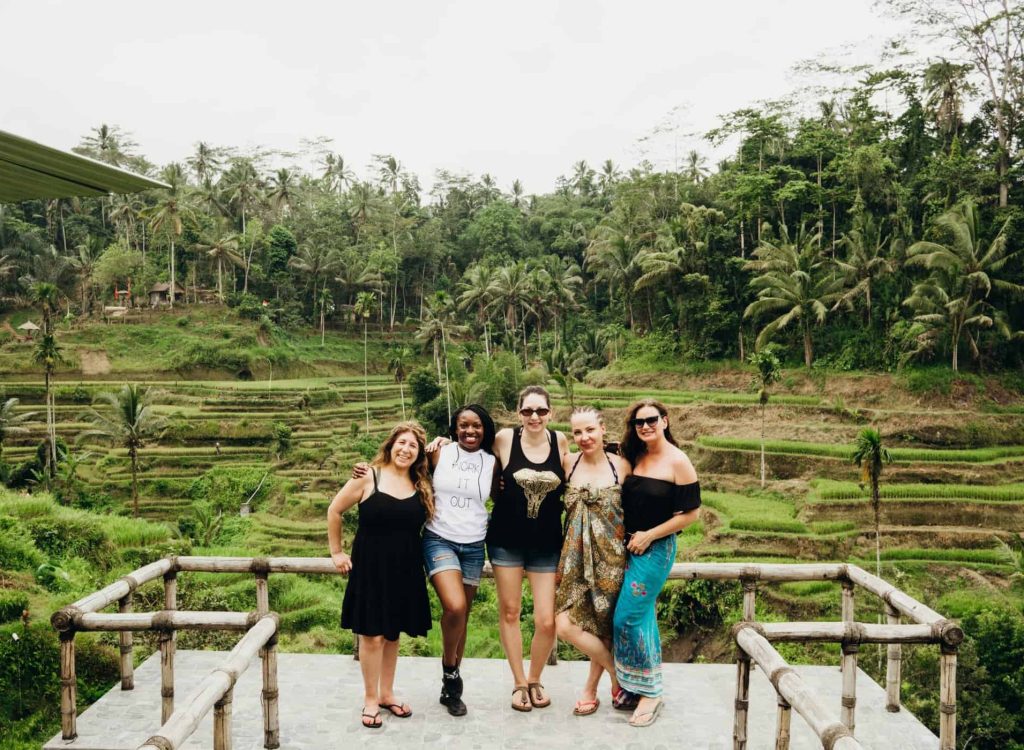
So Why Does Travel Change Everything?
Travel disrupts routine. And disruption creates opportunity.
When women step outside their normal environment, something softens. The guard lowers. Curiosity replaces comparison.
Let’s explore why.
Shared Adventure Builds Instant Bonding
There is something powerful about experiencing something new together.
Navigating a bustling market in Marrakech. Watching the sunrise over ancient temples in Kyoto. Riding camels near the pyramids outside Cairo.
Shared experiences create shared memory. Shared memory creates shared language.
On a women-only adventure to Morocco, strangers often arrive with polite smiles. Within days, they are swapping snacks on the bus and laughing at inside jokes that did not exist a week earlier.
Why?
Because novelty speeds up bonding. Psychologists often explain that facing new environments together increases trust and connection. The brain registers shared adventure as shared safety.
New experiences compress the timeline of friendship.
Travel Encourages Real Conversations
In everyday life, conversations skim the surface.
“How’s work?”
“Busy.”
“How are the kids?”
“Good.”
On the road, something changes.
Long train rides. Airport layovers. Bus journeys through mountain roads. Meals that stretch for hours. There is time to talk. Really talk.
Women share why they booked the trip, what they are healing from. What they are hoping for.
On a journey through Egypt, it is common for conversations to drift from history to heartbreak within a single afternoon.
The setting matters. Being physically away from daily life makes emotional honesty easier.
Travel creates emotional breathing room.
Everyone Is in the Same Boat
Group travel removes one of the biggest barriers to adult friendship: uncertainty.
When joining a SoFe trip through Japan or exploring vibrant streets in India, every woman arrives for the same reason. She wants adventure. She wants a connection. She chose to be there.
There is no guessing about whether someone is open to new friendships. The answer is already yes.
That shared intention is powerful.
If browsing future departures feels exciting, the SoFe tour calendar makes it easy to see where the connection might begin next.
Infrastructure reduces uncertainty.
Vulnerability Feels Safer Away From Home
Distance changes perspective.
When sitting under wide skies in Tanzania or walking through quiet mountain villages in Nepal and Bhutan, life feels bigger. Problems feel smaller.
Opening up becomes easier.
There is less fear of social consequences. These women do not overlap with your office or your family. That freedom can feel surprisingly safe.
Ironically, friendships that begin in faraway places often become some of the most lasting ones.
Travel Breakdown Comparison
At home, it is easy to compare careers, houses, relationships, and milestones.
On the road, everyone looks equally windswept. Everyone is navigating unfamiliar streets. Everyone is learning.
There is humility in being a beginner together.
Exploring markets in Uzbekistan or hiking in Romania shifts focus from status to shared discovery.
Friendship grows faster when comparison fades.
Adventure levels the playing field.
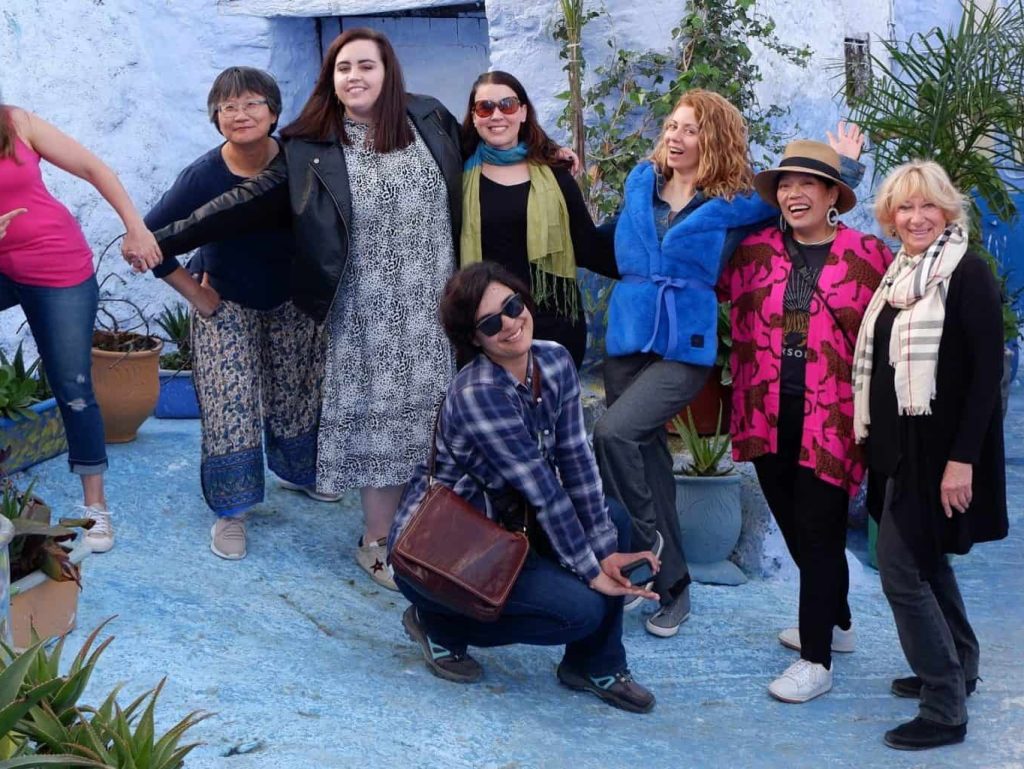
The Science Behind Travel and Connection
For Cultural Visits, Temples, and Evenings
Research from institutions like Harvard University has long emphasized that close relationships are one of the strongest predictors of long-term happiness and well-being.
Travel naturally supports the conditions required for strong bonds:
Shared challenge
Emotional vulnerability
Physical proximity
Positive emotion
Novelty
All of these are present in group travel.
It is no surprise that women often leave trips saying, “It feels like we have known each other for years.”
But What If It Feels Scary to Go Alone?
This is one of the most common worries.
What if no one likes me?
What if everyone else already knows each other?
What if it is awkward?
These fears are normal.
But on curated women-only adventures like those offered by The Solo Female Traveler Network, everyone starts as strangers. The structure is intentional. Activities are shared. Dinners are communal. Support is built in.
There is comfort in knowing the experience was designed for connection.
Organizations like UN Women also emphasize the power of women supporting women across cultures and communities. Travel offers a living example of that support in action.
How Travel Friendships Often Continue After the Trip
The connection does not end at the airport.
Group chats stay active. Birthdays are remembered. Reunions are planned. Some women even book their next SoFe adventure together, perhaps to Bali or Cuba.
Why do these friendships last?
Because they were built on shared growth. Not just shared convenience.
When a friendship begins in courage, it tends to deepen in strength.
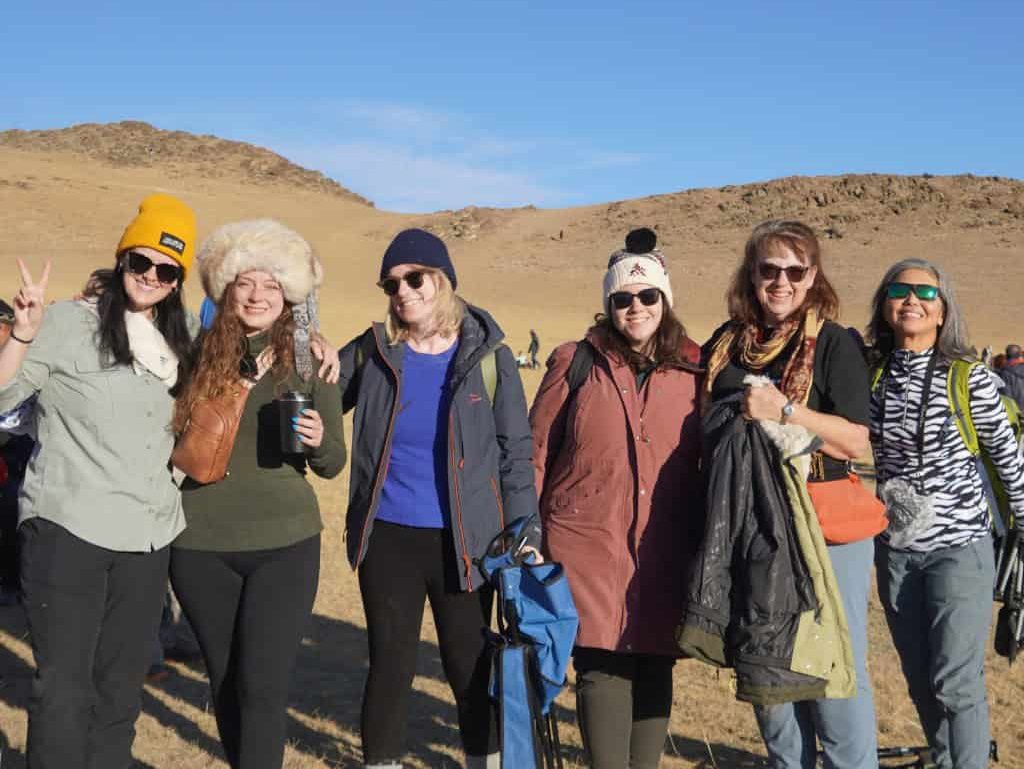
Practical Tips for Making Friends While Traveling
Even in a supportive environment, small actions make a difference.
1. Say Yes Early
Join the optional activity. Sit in a different seat on the bus. Accept the invitation for a late dessert.
Momentum builds quickly on trips.
2. Ask Real Questions
Instead of small talk, try:
What inspired this trip?
What is something you are proud of lately?
What are you hoping this year brings?
These questions open doors.
3. Share Something Honest
Connection is a two-way street. Sharing a personal story, even a small one, signals trust.
And trust invites trust.
4. Stay Present
Avoid retreating into your phone during group downtime. Those in-between moments often become the most meaningful.
Choosing the right format often matters more than choosing the “perfect” country.
Why This Matters More Than Ever
In a digital world, connection can feel both constant and shallow.
Social media shows highlight reels. Text messages replace face-to-face time. Work-from-home routines limit spontaneous interaction.
Making friends as an adult is hard because modern life is structured for efficiency, not intimacy.
Travel interrupts that structure.
It forces presence. It invites openness. It creates shared stories.
And in that space, friendship grows.
Safety is not only about statistics. It is also about how empowered a traveler feels in her surroundings.
The Bigger Picture
Making friends as an adult is not about collecting contacts. It is about building meaningful, mutual support.
Travel, especially women-centered travel, offers something rare. A reset. A reminder that community can be created at any stage of life.
It proves that it is not too late.
Not too late to meet women who understand your ambitions.
Not too late to laugh until your stomach hurts.
Not too late to feel seen.
Connection does not disappear with age. It simply requires intention.
And sometimes, a plane ticket.
FAQ: Making Friends as an Adult and Through Travel
1. Why is it harder to make friends as you get older?
Adult life often includes busy schedules, established routines, and existing social circles. There are fewer natural spaces for repeated interaction, which is key to building friendship.
2. Can traveling alone help with loneliness?
Yes. Group travel creates shared experiences, emotional openness, and intentional community, which can reduce loneliness and build lasting friendships.
3. Are group trips good for solo female travelers?
Women-only group trips are specifically designed to foster safety, support, and connection. They remove the pressure of navigating new environments alone.
4. How do I prepare emotionally for a group trip?
Arrive with openness. Be willing to initiate conversation. Remember that others likely feel the same nerves and hopes.
5. Do travel friendships actually last?
Many do. Shared vulnerability and adventure create strong foundations. Continued communication after the trip helps maintain those bonds.