
Packing for East Africa can feel overwhelming for solo female travelers. Knowing what to wear in Zanzibar or how to dress modestly in Kenya is less about fashion rules and more about blending in with confidence.
For solo female travelers, clothing is never just about style. It is about safety, comfort, and cultural awareness, all woven together. In destinations like Zanzibar and Kenya, what a woman wears can directly influence how she is perceived and how relaxed she feels moving through daily life.
This guide introduces the idea of a “modesty kit”, a simple, flexible wardrobe strategy that helps solo female travelers practice what can be called cultural camouflage. The goal is not to hide identity, but to move respectfully through places where local norms around dress differ from Western expectations. When clothing aligns with local culture, unwanted attention often fades into the background, and travel feels calmer and more grounded.
Why Modesty Matters for Solo Female Travelers in East Africa
Cultural awareness as a form of safety
In many search queries, safety and clothing appear together for a reason. For solo female travelers, modest travel clothes in Kenya or knowing what to wear in Zanzibar solo can reduce unwanted stares, comments, and misunderstandings.
In coastal regions like Zanzibar, Islamic traditions strongly influence daily life. Covering shoulders, knees, and cleavage is considered respectful, especially in towns and villages. In Kenya, norms vary by region, but modest clothing is still widely appreciated outside major cities.
Respectful clothing often leads to respectful interactions. It signals awareness, curiosity, and humility, qualities that are usually met with warmth in return.
The emotional relief of blending in
Standing out too much can be exhausting. When clothing feels aligned with the environment, solo female travelers often report feeling calmer and more confident. This sense of ease allows focus to shift from self-consciousness to connection, exploration, and joy.
The Modesty Kit Explained: Two Core Categories
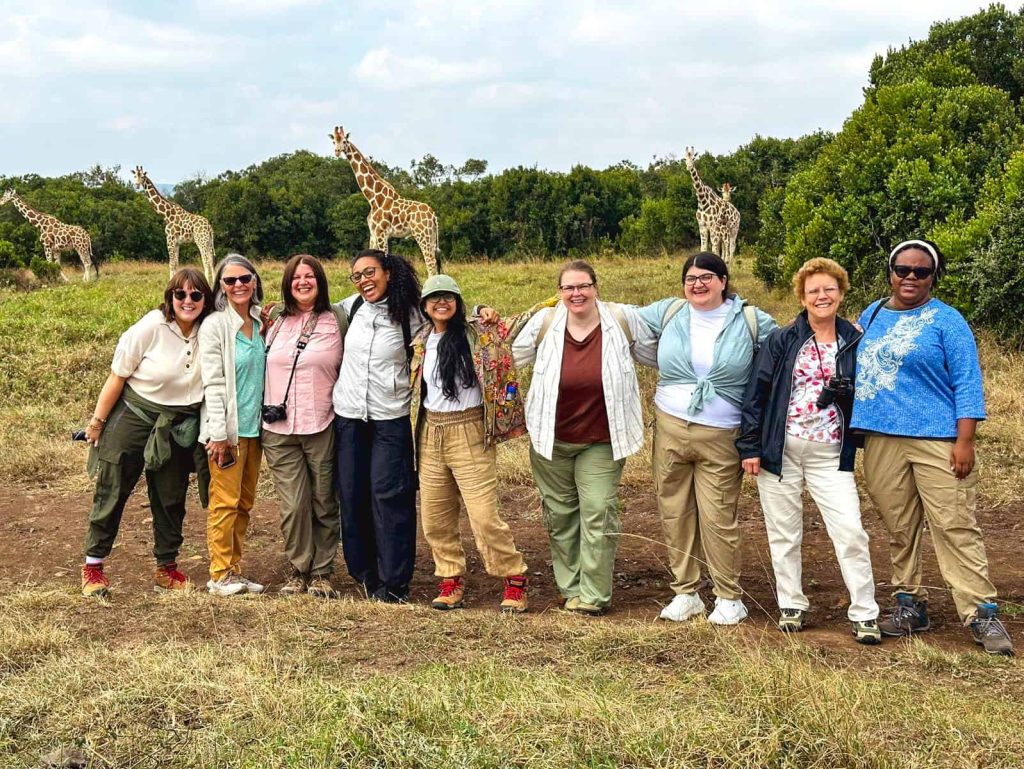
The modesty kit is built around two main clothing mindsets: Safari Wear and Town Wear. Each serves a different purpose, and together they create balance.
Safari Wear: Neutral, Practical, and Protective
What is Safari Wear?
Safari wear is designed for movement, sun protection, and blending into natural environments. It is especially relevant in national parks, rural areas, and long travel days.
Key features of safari wear
Neutral tones like beige, olive, khaki, and soft brown
Breathable fabrics such as cotton or linen blends
Long sleeves and lightweight layers
Comfortable trousers rather than shorts
Bright colors and bold patterns tend to draw attention and can also attract insects. Neutral clothing helps solo female travelers feel less conspicuous and more at ease.
Why safari wear works for solo female travelers
Safari wear creates a practical uniform that signals preparedness and respect for the environment. It also transitions well between buses, safaris, and casual stops without needing constant outfit changes.
This is not about looking like a tourist. It is about looking intentional.
Town Wear: Modest, Polished, and Culturally Aware
For Cultural Visits, Temples, and Evenings
Understanding town wear in Zanzibar and Kenya
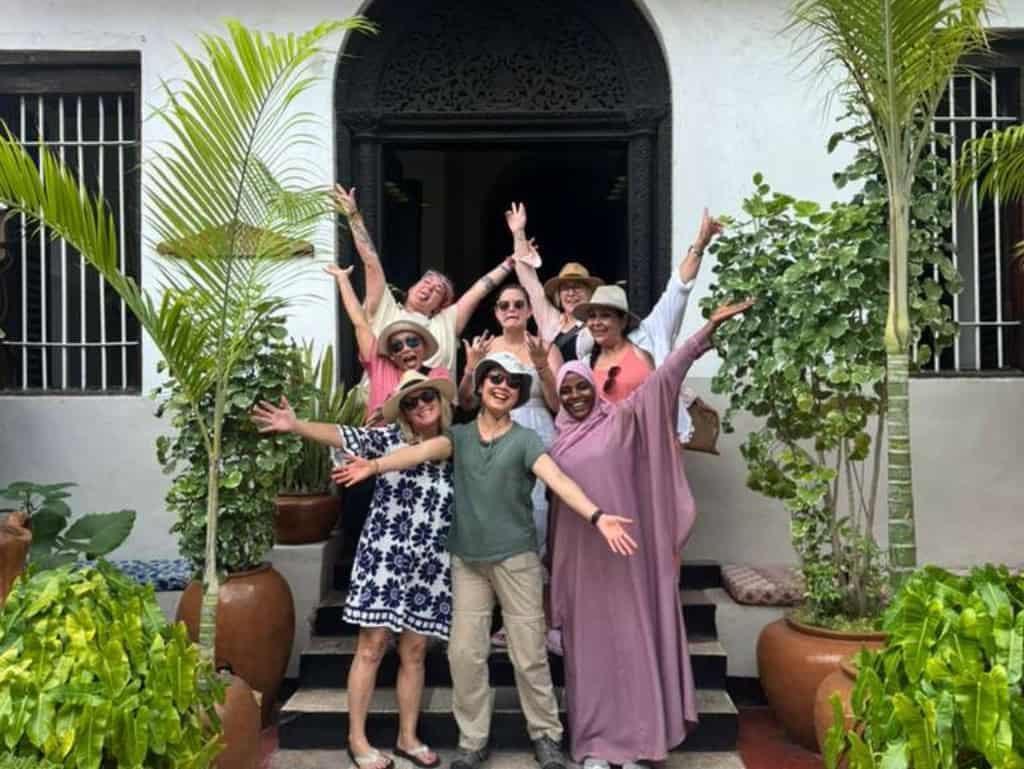
Town wear is what solo female travelers wear in markets, towns, cultural sites, and everyday public spaces. This is where modesty matters most.
In Zanzibar, covering shoulders and knees is essential in Stone Town and local neighborhoods. In Kenya, modest town wear is appreciated in cities and expected in smaller communities.
What town wear looks like in practice
Lightweight tops with sleeves
Midi or maxi skirts
Loose trousers that cover the knees
Dresses with higher necklines
Sandals with good walking support
These outfits are not restrictive. They are breathable, comfortable, and often more elegant than typical travel wear.
The confidence effect
When clothing aligns with local norms, solo female travelers often feel less watched and more welcomed. This confidence changes posture, pace, and overall experience.
The Kanga: The Ultimate Solo Female Travel Multi-Tool
For Hiking & Active days
What is a kanga?
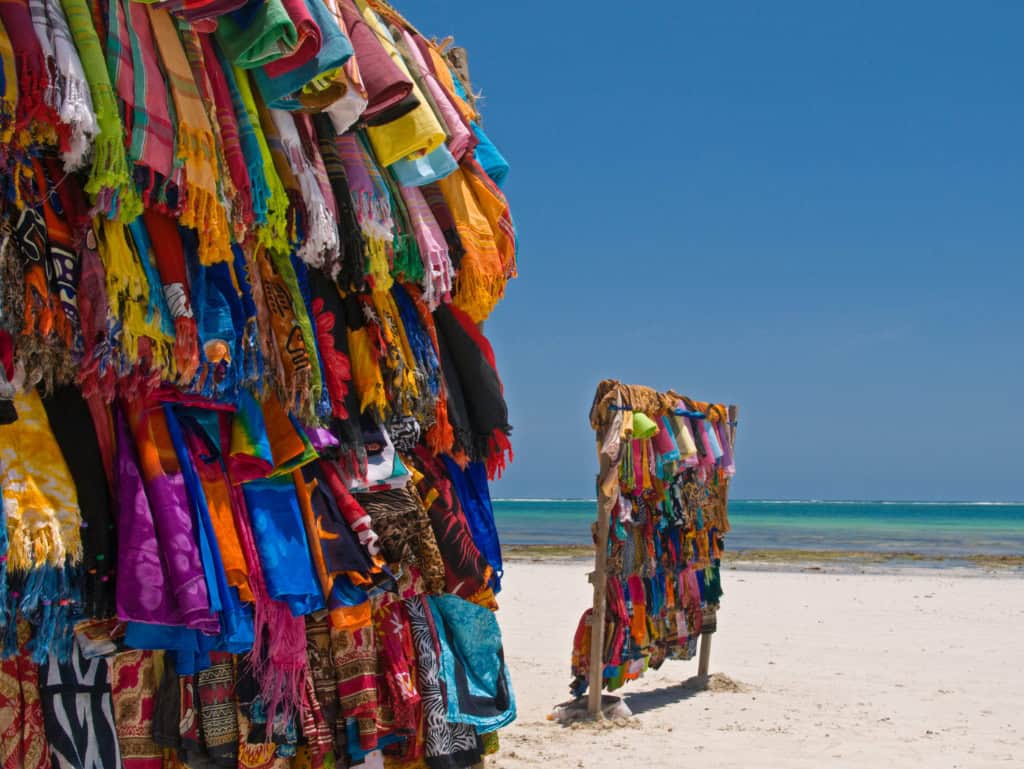
A kanga is a colorful East African wrap worn by women across Tanzania and Kenya. It is usually a rectangular piece of cotton fabric with patterns and Swahili sayings.
Why every solo female traveler should carry one
The kanga is the heart of the modesty kit. It adapts instantly to different situations and environments.
It can be used to:
Cover shoulders when entering mosques or villages
Wrap around the waist as a skirt
Serve as a beach cover-up
Act as a scarf, shawl, or head covering
Create privacy during transit
Few items offer so much cultural alignment with so little effort.
Cultural connection through clothing
Wearing a kanga is not just practical. It is also a quiet sign of respect and curiosity. Many solo female travelers find that locals respond warmly when they see visitors embracing local clothing traditions.
What to Wear in Zanzibar Solo: Practical Outfit Ideas
Daytime in Stone Town
Loose trousers, a cotton top with sleeves, and sandals form a comfortable base. A kanga in the bag adds flexibility for unexpected situations.
Beach transitions
Swimwear is acceptable on the beach, but walking through town in a bikini is not. A kanga or light dress makes transitions respectful and easy.
Evenings out
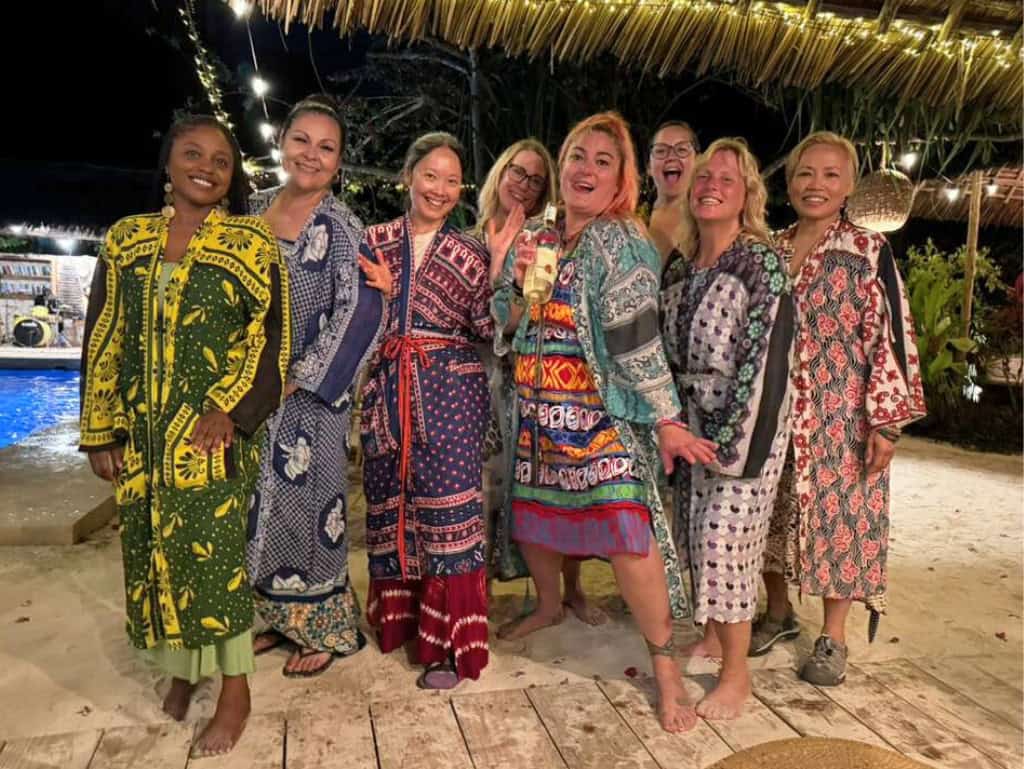
Maxi dresses or wide-leg trousers paired with simple tops work well. Modesty does not mean boring. It often means timeless.
Modest Travel Clothes in Kenya: What Works Best
Cities and towns
Nairobi and Mombasa are cosmopolitan, but modest clothing is still appreciated. Knee-length skirts, trousers, and sleeved tops strike a good balance.
Rural areas and villages
Covering shoulders and knees is essential. Neutral colors and simple silhouettes help solo female travelers blend in naturally.
Safari days
Safari packing lists for women should prioritize layers, comfort, and sun protection. Long sleeves protect against sun and insects while maintaining modesty.
Common Packing Mistakes Solo Female Travelers Make
Overpacking tight or revealing clothing
These items often go unworn and take up valuable space. Comfort and adaptability matter more than trend pieces.
Ignoring fabric choice
Synthetic fabrics trap heat. Natural, breathable materials make a noticeable difference in comfort.
Forgetting versatility
Every item should serve more than one purpose. The modesty kit works because it is flexible.
Why Visual Guidance Eases Travel Anxiety
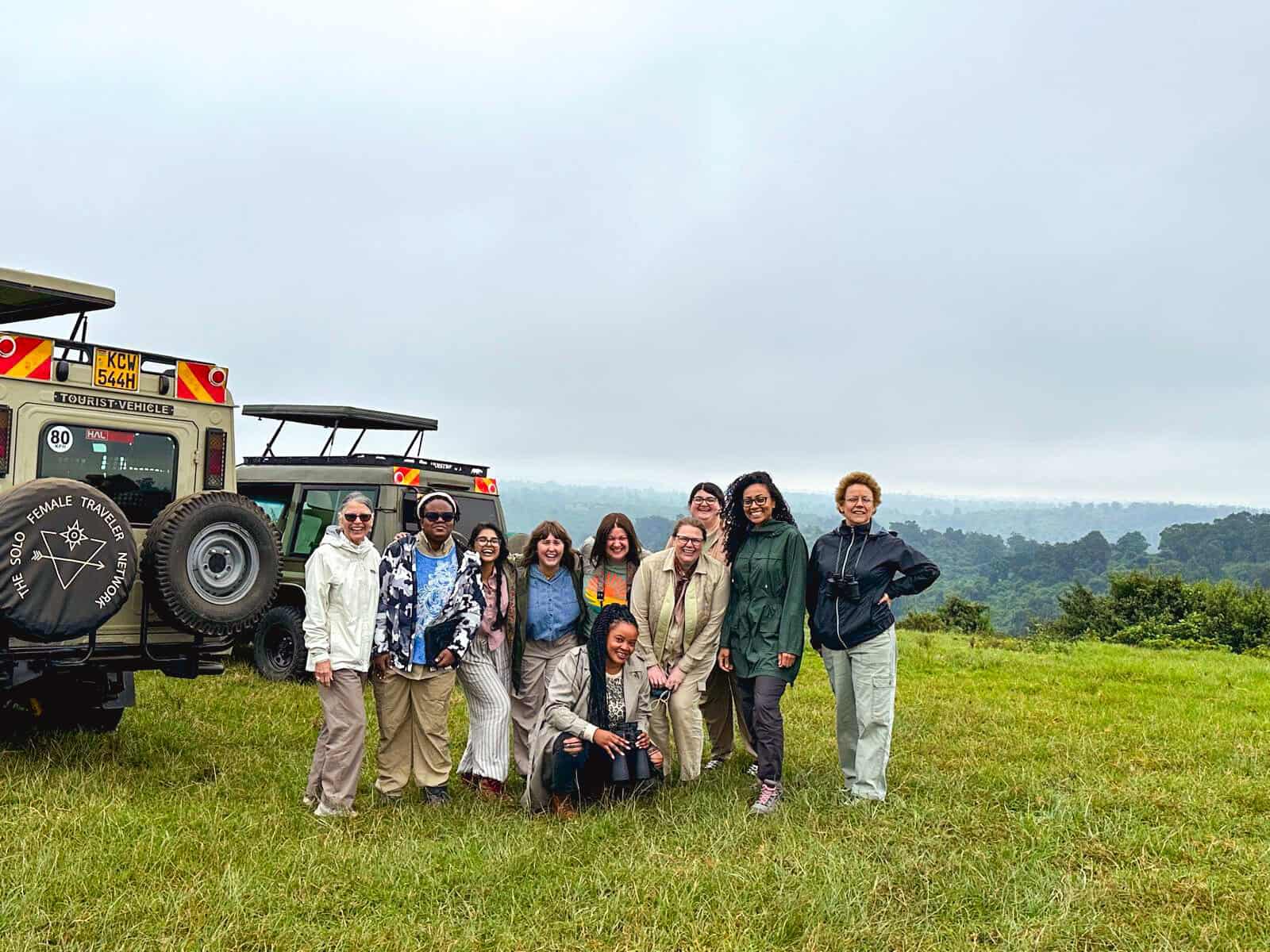
Many solo female travelers worry about standing out too much. Visualizing outfits ahead of time reduces uncertainty and builds confidence.
Seeing examples of safari wear versus town wear helps travelers understand when and why to switch styles. This clarity transforms packing from stressful to empowering.
Preparedness replaces fear with calm.
How Modesty Supports Empowered Solo Travel
Modesty is not about shrinking or hiding. It is about choosing ease, respect, and self-awareness. For solo female travelers, clothing becomes a quiet ally, supporting movement through unfamiliar spaces with dignity and confidence.
When travelers dress with intention, interactions often feel smoother and more genuine. That sense of belonging, even temporarily, is one of the most powerful experiences travel can offer.
FAQ: Modest Dressing for Solo Female Travelers in East Africa
1. What should a solo female traveler wear in Zanzibar?
Lightweight clothing that covers shoulders and knees in towns, with swimwear reserved for the beach. A kanga adds flexibility.
2. Is modest clothing required in Kenya?
Modest clothing is not legally required, but it is culturally respectful and often improves comfort and safety, especially outside major cities.
3. Can solo female travelers wear trousers in East Africa?
Yes. Loose, breathable trousers are widely worn by local women and are an excellent choice.
4. What colors are best for safari wear?
Neutral tones like beige, khaki, olive, and brown blend into natural environments and are practical for safari settings.
5. Is a kanga easy to buy locally?
Yes. Kangas are widely available in markets and make meaningful souvenirs as well as practical travel items.