
Uganda is the kind of destination that feels almost unreal when you’re in it—lush green hills that stretch endlessly, misty rainforests where you come face-to-face with gorillas, long dusty roads between national parks, and quiet lodge evenings where everything slows down.
But packing for a trip like this? That’s where things get complicated.

This isn’t a one-environment destination. Many itineraries through Uganda (including our SoFe itinerary) combine gorilla trekking, safari experiences, overland travel, cultural visits, and time in both cities and remote areas. That means your suitcase needs to work across completely different conditions—humid forests, cooler mountain regions, warm afternoons, early mornings, long travel days, and physically active experiences.
Add in the need for culturally respectful clothing, practical gear for trekking, and the reality of limited luggage space in safari vehicles, and packing starts to feel less like a checklist and more like a strategy.
The goal isn’t to pack more—it’s to pack better.
This guide will walk you through exactly what you need, why you need it, and how to avoid the most common mistakes travelers make when preparing for Uganda—so that when you arrive, you feel ready, not overwhelmed.
And in case you haven’t had a chance to review it yet, take a look at our itinerary here: The Solo Female Traveler Network Uganda Meetup Tour.
Table of Contents
Why Packing Right for Uganda Matters For Solo Female Travelers
If you’re coming from a place where travel usually means one type of experience—a beach trip, a city break, or a hiking weekend—this trip will feel very different.
Uganda requires versatility. Many itineraries (including our SoFe itinerary) move between:
- Rainforest trekking environments
- Safari landscapes
- Big cities
- Remote lodges where comfort is high, but access to supplies is limited
You can wake up in a cool, misty mountain environment, spend the afternoon in warm sunshine, and end the evening needing a sweater. You can go from a physically demanding jungle trek one day to sitting in a safari vehicle for hours the next.
And then there’s the gorilla trekking.
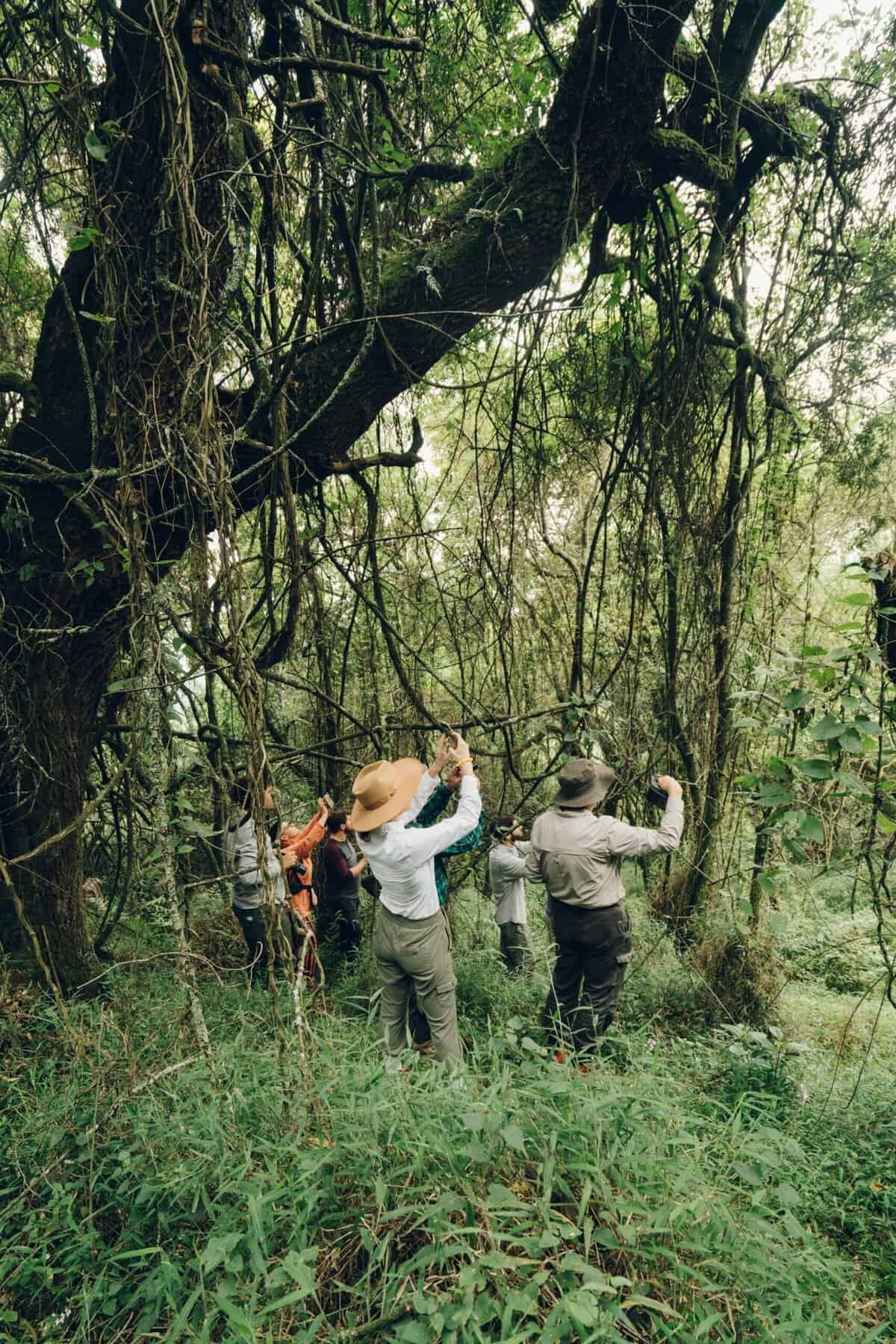
This is one of the most unique wildlife experiences in the world—but it is not a casual walk. It can take anywhere from 2 to 8 hours, moving through dense forest, mud, steep terrain, and thick vegetation. What you wear and carry on that day directly impacts your comfort and experience.
For solo female travelers, there’s also another layer: how you feel moving through the space. Uganda is welcoming, but modest, practical clothing will help you feel more at ease in public settings and reduce unwanted attention.
Clothing: What to Wear in Uganda as a Solo Female Traveler
Clothing for this trip is not about outfits—it’s about function.
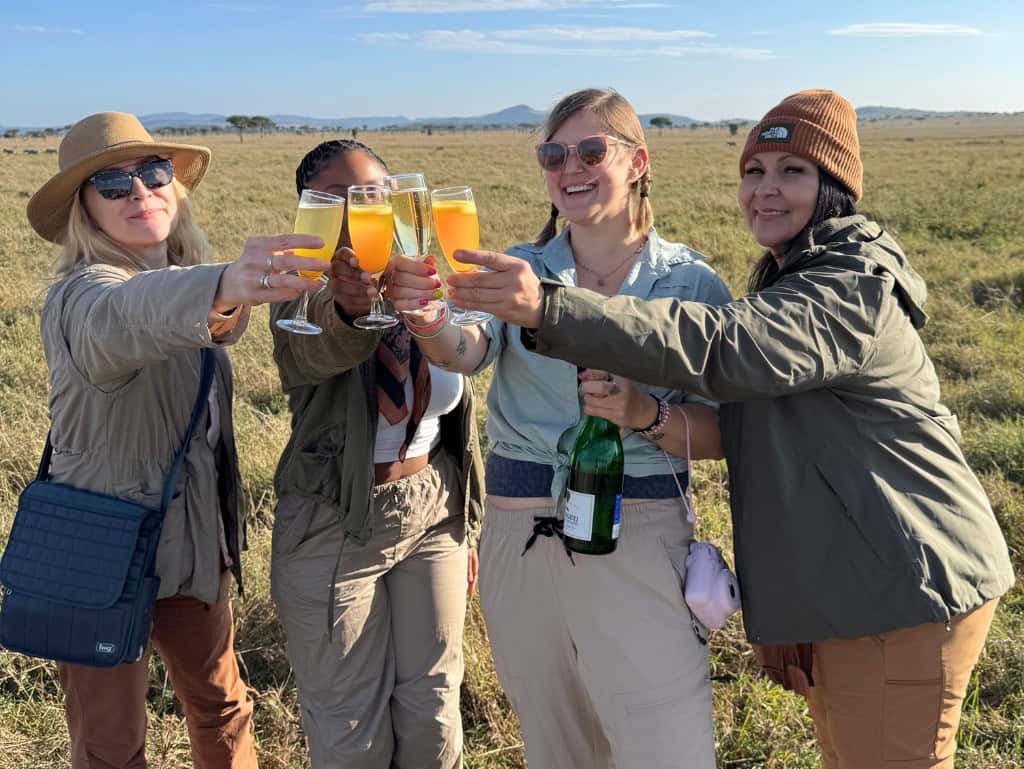
Most travelers end up rotating the same core pieces throughout the trip, so what matters most is that everything you bring works across multiple environments: warm weather, trekking, long drives, and modest settings.
For Gorilla & Chimpanzee Trekking
This is the most important day to pack for—and the one most people underestimate.
Gorilla trekking is not just walking. It involves navigating dense forest, uneven terrain, mud, and vegetation that can scratch or irritate exposed skin.
You’ll want to dress in a way that protects your body, regulates your temperature, and allows you to move freely.
You should bring:
- Sturdy hiking boots with ankle support and good grip
- Long, durable trousers that allow for full movement (you will be stepping high and climbing)
- Long socks (important—these allow you to tuck your pants in to prevent safari ants from crawling up your legs)
- A breathable t-shirt layered with a long-sleeve shirt (the long sleeves protect your arms from branches and insects)
- A lightweight rain jacket (rain is always possible in rainforest environments)
- A sun hat or cap (for exposed sections of the trek)
- A light sweater or fleece (mornings can be cool, especially at higher elevations)
In your daypack, you should carry:
- At least 2–3 liters of drinking water
- Camera and/or phone
- Binoculars
- A light layer or rain jacket
- Small essentials like sunscreen or insect repellent
One of the most helpful things you can do is leave a clean change of clothes and sandals or slides in the vehicle. After trekking, you will likely be wet, muddy, or sweaty—and changing immediately makes a huge difference in how you feel.
Porterage/support staff is included for the gorilla trekking experience only. For chimpanzee tracking, porterage is not included, as it is generally not needed and is not easily available. Chimpanzee trekking is typically more manageable and is completed within a half-day.
🚫 What most people get wrong:
- Wearing short shorts (too exposed – knee length is fine)
- Wearing leggings without protection (not durable enough)
- Not bringing enough water
- Underestimating how physically demanding it can be
For Safari & Long Travel Days
Safari and overland travel days are less physically intense, but they are long. Comfort becomes the priority.
You’ll spend hours in a vehicle, often starting early in the morning and returning in the late afternoon or evening.
You’ll want:
- Lightweight, breathable pants
- T-shirts or relaxed tops
- A light long-sleeve layer for sun or cooler mornings
- A sweater or jacket for early starts
- Comfortable clothing you can sit in all day
Neutral or earthy tones are helpful (dust-friendly and practical), but not essential.
For Cities, Villages & Cultural Settings
In cities like Kigali and Kampala, and in rural communities, dressing modestly will help you feel more comfortable and blend in more naturally.
This doesn’t mean dressing conservatively in a strict way—it simply means avoiding overly revealing clothing.
You’ll feel most comfortable in:
- Loose pants or maxi skirts
- T-shirts or tops with shoulder coverage
- Flowy dresses that aren’t too short or tight
- A scarf or shawl (one of the most useful items you can bring)
A scarf can:
- cover your shoulders
- protect you from the sun
- add warmth
- help you feel more comfortable in different environments
For Evenings at the Lodge
Evenings are relaxed. There’s no need for anything formal, but you’ll probably want one or two outfits that feel clean and comfortable after a long day.
- A simple dress or relaxed outfit
- Comfortable layers
- Something warm (especially in higher-altitude areas like Bwindi)
Shoes & Footwear: What to Wear on Your Feet in Uganda
Shoes are one of the most important parts of your packing list for Uganda—and one of the easiest places to get wrong.
Many itineraries (including our SoFe itinerary) combine rainforest trekking, safari drives, walking on uneven terrain, and long travel days. Your footwear needs to handle all of it, not just one part of the trip. You’re not packing for comfort in one setting—you’re packing for constant variation.
Three types of footwear
Shoes matter more than almost anything else on this trip.
Bring three categories:
- Trekking shoes
- Hiking boots or trail shoes with grip
- Broken in before the trip
- Everyday shoes
- Comfortable sneakers or walking shoes
- Used for safari, travel days, and cities
- Lodge shoes
- Sandals or slides
- Easy to change into after long days
Trekking shoes (Gorilla & Chimpanzee Tracking)
Gorilla trekking can take anywhere from 2 to 8 hours, depending on where the gorillas are that day. The terrain is often muddy, steep, uneven, and covered in dense vegetation. You may be climbing, sliding, stepping over roots, or walking through wet forest.
Because of this, your shoes should be:
- Sturdy and supportive (preferably hiking boots)
- Broken in before the trip
- Grippy enough for mud and wet terrain
Ankle support is strongly recommended, especially if you’re not used to hiking on uneven ground.
🚫 Common mistake:
Bringing brand new hiking boots → this almost always leads to blisters.
“I almost didn’t bring hiking boots because I thought I wouldn’t need them. BIG mistake. Walking to the safari lodges and just moving around in the dirt roads? My sneakers were toast. Wish I had better shoes for that.”
— Rachel, The South Africa Tour 2018
Toiletries & Hygiene Essentials To Pack for Uganda for Solo Female Travelers
Toiletries don’t need to be extensive—but they do need to be thoughtful.
While many accommodations are comfortable, once you leave major cities, access to familiar products becomes limited. It’s best to bring what you know you’ll need rather than trying to find it along the way.
If you rely on specific products, bring them with you.
Eco-Friendly Bath Products
Since some campsites and lodges have limited plumbing, it’s important to use biodegradable products to avoid harming the environment.
✅ Solid shampoo & conditioner bars – Last longer, no leaks, better for the planet.
✅ Biodegradable soap & body wash – Keeps you clean while protecting the local water systems.
✅ Menstrual cup or organic pads/tampons – If you use disposables, bring enough for the trip since they may not be available in remote areas.
🚫 What NOT to bring: Anything with strong artificial fragrances (bugs love scented products).
Skincare & Sun Protection
The sun in Uganda is no joke—expect high UV exposure even on cloudy days.
✅ High-SPF sunscreen (reef-safe for Zanzibar).
✅ Aloe vera gel (for the inevitable sunburns).
✅ Lip balm with SPF (chapped lips happen fast).
🚫 What NOT to bring: Glass bottles (they break easily in transit).
General Hygiene Must-Haves
✅ Hand sanitizer & wet wipes – Some places don’t have soap or running water.
✅ Travel toilet paper – Public bathrooms may not have toilet paper (or even an actual toilet).
✅ Deodorant wipes – Sometimes a full shower isn’t possible, and these keep you fresh on the go.
Health & Safety Essentials: What Every Solo Female Traveler Needs
You don’t need to overdo it, but you do need to cover the essentials so you’re not caught off guard in a remote setting.
Required + recommended health prep
Before you go, check Uganda’s vaccine requirements. Some essentials include:
✅Yellow fever certificate (mandatory)
✅Malaria prevention (consult your doctor)
✅Travel insurance (required)
✅Traveler’s diarrhea meds – (recommended)
First Aid Kit
✅ Pain relievers (for headaches from long travel days).
✅ Electrolyte tablets (for dehydration from heat or food adjustments).
✅ Antiseptic wipes & band-aids (blisters & scrapes happen).
✅ Eye drops (dust from safaris can irritate your eyes).
🚫 What NOT to bring: A huge first aid kit (you don’t need a full pharmacy, just essentials).
Solo Female Safety Gear
A few small items can give extra peace of mind, especially if you’re traveling alone:
✅ Personal safety alarm – Small, loud, and great for emergency situations.
✅ Door stop – If you’re staying in a budget hotel or guesthouse, this adds an extra layer of security.
✅ Safety whistle – Good for attracting attention if needed.
Electronics & Travel Gadgets: What You Actually Need
You won’t always have access to power during the day, and long travel days make battery life important.
Power & Charging Essentials
✅ Universal travel adapter
✅ Power bank – Some safari lodges and campsites don’t have power 24/7, so a strong portable charger will save you when your phone dies mid-photo.
✅ Headlamp or flashlight – Crucial for camping (some lodges have limited lighting at night) and useful for power outages in cities.
🚫 What NOT to bring: A hairdryer (most eco-lodges don’t allow them), high-voltage styling tools (voltage differences can fry them).
Photography & Travel Tech
✅ Smartphone with a good camera – You don’t need a bulky DSLR unless you’re a professional—modern phone cameras capture wildlife surprisingly well.
✅ Binoculars – Many travelers regret not bringing these—game drives are even better when you can see details up close.
✅ Extra SD card & storage – You’ll take more photos than you think, so have backup storage!
Documents & Money: What to Prepare Before Your Solo Trip To Uganda
The last thing you want is to arrive in Uganda and realize you forgot something crucial—like your visa paperwork, proof of insurance, or enough cash for tipping. Here’s what to get in order before you go:
Must-Have Travel Documents
✅ Passport (with at least 6 months validity) – Double-check your expiration date! Uganda won’t let you in if your passport is too close to expiring.
✅ Visa (if required) – Many travelers can apply for an eVisa online before arrival. Check the latest requirements for your nationality.
✅ Printed travel insurance details – WiFi isn’t always reliable, so keep a physical copy of your insurance policy just in case.
✅ Copies of important documents – Keep digital & hard copies of your passport, visa, and emergency contacts in case of loss or theft.
✅Yellow fever certificate
Money: How to Pay for Things in Uganda
Money in Uganda is a mix of modern and traditional systems. While cities are relatively developed, cash is still the most reliable and widely used form of payment—especially once you move outside urban areas.
In larger cities like Kampala, you’ll find:
- ATMs
- Credit card acceptance in hotels, restaurants, and some shops
- Supermarkets and pharmacies
However, once you’re traveling between destinations, staying in lodges, or visiting more remote areas (which most itineraries do, including our SoFe itinerary), you will rely much more heavily on cash.
The best approach is to travel with a combination of cash and cards, rather than relying entirely on one.
You should plan to have:
- A debit card for ATM withdrawals
- At least one backup card (stored separately)
- A small amount of USD cash (optional but helpful as backup)
- Local currency for daily spending
ATMs are generally available in cities, but they are not always reliable, and they become very limited once you are in national parks or rural areas. It’s a good habit to withdraw cash when you have access, rather than waiting until you urgently need it.
Safari-Specific Gear: What Makes the Experience More Comfortable
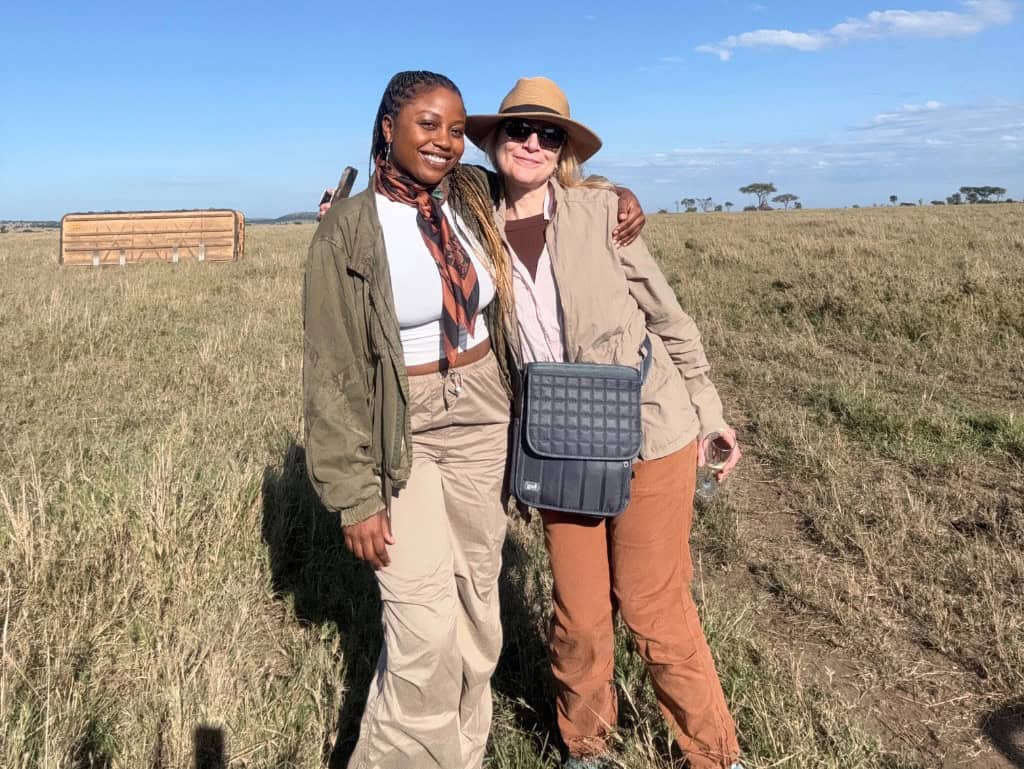
Safaris are incredible, but they come with long days, bumpy rides, and unpredictable weather. A few small items can make a huge difference in your comfort and experience.
What to Pack for Game Drives
✅ A lightweight daypack – Keep essentials (camera, water bottle, sunscreen) within reach during game drives.
✅ Sunglasses & hat – The sun is no joke in Uganda!
✅ Buff or scarf – Useful for blocking dust on bumpy roads and keeping warm on chilly mornings.
✅ Refillable water bottle – Stay hydrated, especially on full-day game drives where stops are limited.
✅ Packable rain jacket – Even in the dry season, unexpected showers happen.
✅ Extra clothes – bring a change of clean clothes and sandals in the vehicle!

WEATHER CONSIDERATIONS
Uganda sits along the equator, which means the weather doesn’t follow a typical “summer vs winter” pattern. Temperatures stay relatively consistent year-round, but what really shapes your experience is rainfall, elevation, and time of day.
Many itineraries (including our SoFe itinerary) move through multiple regions—cities, rainforest, and national parks—and each can feel noticeably different, sometimes within the same day. You might wake up to cool mountain air, spend the afternoon in warm sunshine, and end the evening needing a sweater.
Temperature & Daily Variation
Daytime temperatures are generally warm and comfortable, typically ranging between 70–85°F (21–30°C).
However, elevation changes everything:
- In cities like Kigali, the climate is mild and steady
- In higher-altitude regions like Bwindi, mornings and evenings can feel cool, misty, and damp
- Early safari starts can feel surprisingly cold due to wind and open vehicles
The biggest takeaway: temperatures shift throughout the day, so layering is essential. You’ll likely wear multiple layers within a single day.
Rainfall & Seasonal Patterns
Uganda has two main rainy seasons:
- March to May (long rains)
- October to November (short rains)
Rain usually comes in short, heavy bursts, rather than all-day storms. Even outside of these seasons, rain is always possible—especially in rainforest areas like Bwindi Impenetrable Forest and Kibale Forest.
What matters most is how rain affects conditions:
- Trails can be muddy and slippery
- Forest environments stay humid and damp
- You may get wet even without active rainfall
Trekking & Safari Conditions
For gorilla and chimpanzee trekking, expect humid, dense forest conditions year-round. Even on dry days, the environment itself can feel wet due to vegetation and mist. Rain does not stop the trek, so you should always be prepared for changing conditions.
On safari days in places like Queen Elizabeth National Park, the experience shifts again:
- Mornings are cool and breezy
- Midday becomes warm under direct sun
- Evenings cool down quickly.
What to Expect in June (when our SoFe itinerary takes place)
June is one of the best times to visit Uganda and is when many itineraries are scheduled (including our SoFe itinerary). It comes just after the long rainy season, meaning the landscapes are incredibly green and vibrant, but the heavier rains have mostly passed.
- Warm, comfortable daytime temperatures (70–80°F / 21–27°C)
- Cooler mornings and evenings, especially at higher elevations
- Occasional light or short rain showers
- Lush, green scenery across all regions
Rain is still possible, but it’s usually brief and not disruptive to your itinerary. The bigger impact is on terrain—trails may still be muddy, and forest areas remain damp.
What This Means for Packing
June doesn’t require extreme packing—but it does require flexibility.
You’ll want:
- Light, breathable clothing for warm afternoons
- A warm layer for mornings and evenings
- A rain jacket (you will use it)
- Footwear that can handle mud and uneven terrain
The biggest mistake travelers make is assuming June is fully dry—it’s not. It’s a transitional month, which is exactly what makes it such a great time to go.
Uganda sits along the equator, which means the weather doesn’t follow a typical “summer vs winter” pattern. Temperatures stay relatively consistent year-round, but what really shapes your experience is rainfall, elevation, and time of day.
Many itineraries (including our SoFe itinerary) move through multiple regions—cities, rainforest, and national parks—and each can feel noticeably different, sometimes within the same day. You might wake up to cool mountain air, spend the afternoon in warm sunshine, and end the evening needing a sweater.
Temperature & Daily Variation
Daytime temperatures are generally warm and comfortable, typically ranging between 70–85°F (21–30°C).
However, elevation changes everything:
- In cities like Kigali, the climate is mild and steady
- In higher-altitude regions like Bwindi, mornings and evenings can feel cool, misty, and damp
- Early safari starts can feel surprisingly cold due to wind and open vehicles
The biggest takeaway: temperatures shift throughout the day, so layering is essential. You’ll likely wear multiple layers within a single day.
Rainfall & Seasonal Patterns
Uganda has two main rainy seasons:
- March to May (long rains)
- October to November (short rains)
Rain usually comes in short, heavy bursts, rather than all-day storms. Even outside of these seasons, rain is always possible—especially in rainforest areas like Bwindi Impenetrable Forest and Kibale Forest.
What matters most is how rain affects conditions:
- Trails can be muddy and slippery
- Forest environments stay humid and damp
- You may get wet even without active rainfall
Trekking & Safari Conditions
For gorilla and chimpanzee trekking, expect humid, dense forest conditions year-round. Even on dry days, the environment itself can feel wet due to vegetation and mist. Rain does not stop the trek, so you should always be prepared for changing conditions.
On safari days in places like Queen Elizabeth National Park, the experience shifts again:
- Mornings are cool and breezy
- Midday becomes warm under direct sun
- Evenings cool down quickly.
What to Expect in June (when our SoFe itinerary takes place)
June is one of the best times to visit Uganda and is when many itineraries are scheduled (including our SoFe itinerary). It comes just after the long rainy season, meaning the landscapes are incredibly green and vibrant, but the heavier rains have mostly passed.
- Warm, comfortable daytime temperatures (70–80°F / 21–27°C)
- Cooler mornings and evenings, especially at higher elevations
- Occasional light or short rain showers
- Lush, green scenery across all regions
Rain is still possible, but it’s usually brief and not disruptive to your itinerary. The bigger impact is on terrain—trails may still be muddy, and forest areas remain damp.
What This Means for Packing
June doesn’t require extreme packing—but it does require flexibility.
You’ll want:
- Light, breathable clothing for warm afternoons
- A warm layer for mornings and evenings
- A rain jacket (you will use it)
- Footwear that can handle mud and uneven terrain
The biggest mistake travelers make is assuming June is fully dry—it’s not. It’s a transitional month, which is exactly what makes it such a great time to go.
Final Packing Tips & Common Mistakes to Avoid as a solo female traveler in Uganda
Even experienced travelers make some classic packing mistakes in Uganda. Here’s how to avoid them:
Common Overpacking Regrets
🚫 Too many clothes – Most travelers rotate the same 4–5 outfits, so less is more.
🚫 Bulky luggage – Soft duffel bags are better than hard-shell suitcases for fitting into safari jeeps.
🚫 Bringing jeans – They’re too hot, take forever to dry, and get stiff with dust.
Things You’ll Be Glad You Packed
✅ A headlamp – Game lodges get dark fast, and you’ll want hands-free lighting.
✅ A scarf to serve many purposes!
✅ A good book or offline entertainment – Safari drives can be long between wildlife sightings.
FAQ: What Solo Female Travelers Ask About Packing for Uganda
1. Do I need hiking boots, or will sneakers be okay?
For many Uganda itineraries, yes—especially if they include gorilla trekking, chimpanzee trekking, or any forest hiking (including our SoFe itinerary). Gorilla trekking in particular is not a casual nature walk. The terrain can be steep, muddy, slippery, and full of roots, branches, and uneven footing. A proper pair of hiking boots with good grip and ankle support will make you feel much more stable and comfortable.
If your itinerary does not include trekking, sturdy sneakers may be enough. But for most travelers doing gorilla tracking, hiking boots are one of the most important things to bring. Just make sure they are already broken in before the trip. New boots are one of the fastest ways to end up with painful blisters on one of the most important days of your journey.
If you don’t want to bring hiking boots, sturdy trail runners or trail shoes can absolutely work. The most important thing is that they are:
- Grippy (for mud and slippery terrain)
- Supportive and stable
- Ideally waterproof or water-resistant
2. Can I wear leggings for gorilla trekking?
Leggings can work as a base layer, but they are usually not the best choice on their own. Gorilla trekking involves moving through dense vegetation, thorny branches, mud, and insects, and thin leggings do not offer much protection against scratches or brush. They can also cling when wet and may feel less durable over the course of a long, humid hike.
For most travelers, lightweight hiking pants or durable active travel pants are a much better option. They give you more protection, hold up better in rough conditions, and tend to feel more practical in the forest. If you strongly prefer leggings, it’s better to wear thicker, more durable ones and pair them with long socks and a long top—but in general, pants designed for hiking will serve you better.
3. What Kind of luggage should i bring?
A soft-sided duffel bag or a soft travel bag is the best option for Uganda, especially on itineraries that include safari vehicles (including our SoFe itinerary). Hard-shell suitcases are much more difficult to fit into safari cars and can take up unnecessary space.
In addition to your main soft bag, you should also bring:
- One daypack or backpack
- A small personal item if needed
The daypack is important because you’ll use it for water, sunscreen, your camera, your rain jacket, and other daily essentials during safaris, travel days, and trekking.
The overall goal is to pack light enough that you can manage your own bags without stress. This trip moves between several destinations, so ease of movement matters.
4. Do I need to dress conservatively in uganda?
In most public settings, yes—modest clothing will make you feel more comfortable and more culturally in sync with your surroundings.
Uganda is a generally conservative society, especially outside major cities and in villages or community settings. That doesn’t mean you need to dress formally or cover up excessively, but it does mean that clothing that covers your shoulders and knees is usually a better choice in public spaces.
At lodges, on safari, or in more private travel environments, people are generally more relaxed. But for city days, markets, village visits, and general travel between places, modest clothing tends to be the most comfortable and respectful option. This also has a practical benefit: many travelers find that dressing a little more conservatively reduces unwanted attention and helps them move through public spaces more comfortably.
5. Do I need to bring mosquito repellent?
Yes, mosquito repellent is essential for travel in Uganda, and it’s something you’ll use every single day, especially in the evenings.
Uganda is an equatorial country, which means warm temperatures, humidity, and environments where mosquitoes thrive, particularly near lakes, rivers, forests, and in national parks (which are exactly where you’ll be spending a lot of time). Mosquitoes are most active at dawn and dusk, but you may encounter them at any time of day depending on the location.
We strongly recommend bringing a high-quality repellent containing DEET, picaridin, or lemon eucalyptus oil. Most travelers find that DEET-based repellents are the most effective, especially in forested areas like Bwindi during gorilla trekking.
In addition to repellent, you’ll naturally reduce exposure by:
- Wearing long sleeves and long pants in the evenings
- Choosing light, breathable fabrics that still cover your skin
- Using your lodge’s mosquito nets where provided
While you can sometimes purchase repellent locally, the quality and availability can vary, so it’s best to bring one you trust from home.
Think of it less as “just in case” and more as a daily essential, like sunscreen.
6. Will I need a rain jacket, even in the dry season?
Yes! Even in the dry season, you should still bring a rain jacket. Forest regions like Bwindi and Kibale stay damp and humid year-round, and weather can change quickly. You may encounter:
- Short rain showers
- Misty mornings
- Wet vegetation
- Damp conditions even without active rainfall
A light, packable rain jacket is one of the most useful things you can bring. It doesn’t need to be heavy or bulky, but it should be waterproof enough to keep you comfortable if the weather shifts.
7. Can I wear shorts in Uganda?
Yes, but it depends! The key to shorts is avoiding short shorts (knee length is usually a decent option even out in the city walks and drives).
Shorts are generally fine:
- At lodges
- During relaxed evenings
- In some safari settings/game drives
- In more private tourist spaces
- Some city tours
However, shorts are not ideal for gorilla trekking or chimpanzee trekking, since they leave your legs exposed to insects, branches, mud, and scratches. They are also not the best option for cities, villages, or community visits if you want to feel culturally comfortable and avoid standing out too much.
8. Are porters worth it for gorilla trekking?
Yes. Many travelers assume porters are only for people who are older, injured, or not fit enough. That’s not true. Even strong hikers often hire a porter because the terrain is unpredictable and the forest conditions can be challenging. A porter helps by carrying your bag, steadying you on slippery sections, and making the entire experience more comfortable and manageable.
It’s also a meaningful way to support the local community, since porter work is an important source of income in trekking regions.
On our SoFe Uganda Meetup Tour, porterage/support staff is included for the gorilla trekking experience only. For chimpanzee tracking, porterage is not included, as it is generally not needed and is not easily available. Chimpanzee trekking is typically more manageable and is completed within a half-day.
9. Can I buy things there if I forget something?
Yes, but only to a point. In larger cities like Kigali and Kampala, you can find many basic items such as:
- Toiletries
- Snacks
- Medicines
- Simple clothing
- Convenience items
There are supermarkets, pharmacies, and shopping centers in those cities, and if you forget something non-specialized, you’ll likely be able to replace it. However, once you move into more remote areas, national parks, or lodge-based parts of the trip, options become much more limited. You should not rely on being able to buy:
- Good trekking gear
- Specific medications
- Specialty skincare or hygiene products
- Good-quality insect repellent
- Technical clothing or hiking footwear
The best approach is to assume you should arrive fully prepared, and treat city shopping as a backup—not the plan.
10. Is laundry available on safari or in lodges?
Laundry services are available at most lodges. We recommend planning to do laundry at properties where you are staying at least two nights, to allow enough time for items to properly dry before your next transit.
You can ask your guide to help you plan the best stops to do laundry.