Backpacking used to be the ultimate badge of courage for women who traveled alone. Now, more solo female travelers are choosing a different path. Slow travel is quietly becoming the new backpacking, and it may be the most empowering shift women’s travel has ever seen.
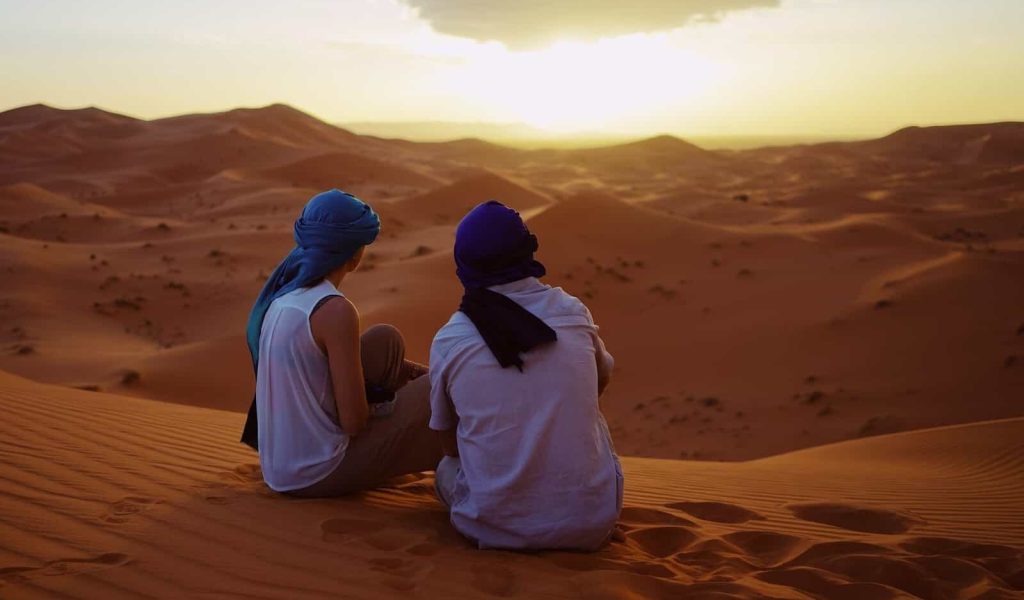
For years, backpacking defined adventurous travel. Moving fast, traveling light, and figuring things out on the go felt bold and freeing. For many women, it was the first step into solo travel. But as more women gain confidence, experience, and clarity about what they actually want from travel, priorities are changing.
Today’s solo female traveler is less interested in rushing and more interested in meaning. She wants to feel safe, connected, and present. She wants travel that supports her emotional well-being, not exhausts it. This is where slow travel comes in.
Slow travel focuses on staying longer in one place, building a routine, and experiencing daily life. For solo female travelers, this style offers unique benefits that go far beyond sightseeing. It can feel safer, more grounding, and more transformative than traditional backpacking.
This article explores why slow travel is becoming the new backpacking for women traveling alone, and why staying longer in one place may be the smartest and most fulfilling way to explore the world.
What Is Slow Travel for Solo Female Travelers?
Slow travel is not about being lazy or unadventurous. It is about intention.
The Core Idea Behind Slow Travel
Slow travel means choosing depth over distance. Instead of visiting many cities quickly, travelers stay in one place for weeks or even months. They unpack fully, create routines, and engage with local life.
For solo female travelers, slow travel offers stability without sacrificing independence.
Why This Style Appeals to Women Traveling Alone
Women often carry extra mental load when traveling solo. Safety planning, cultural awareness, and constant decision-making can be draining. Slow travel reduces that pressure.
Fewer transitions mean fewer risks and less stress.
Slow travel allows women to feel grounded, not constantly on guard.
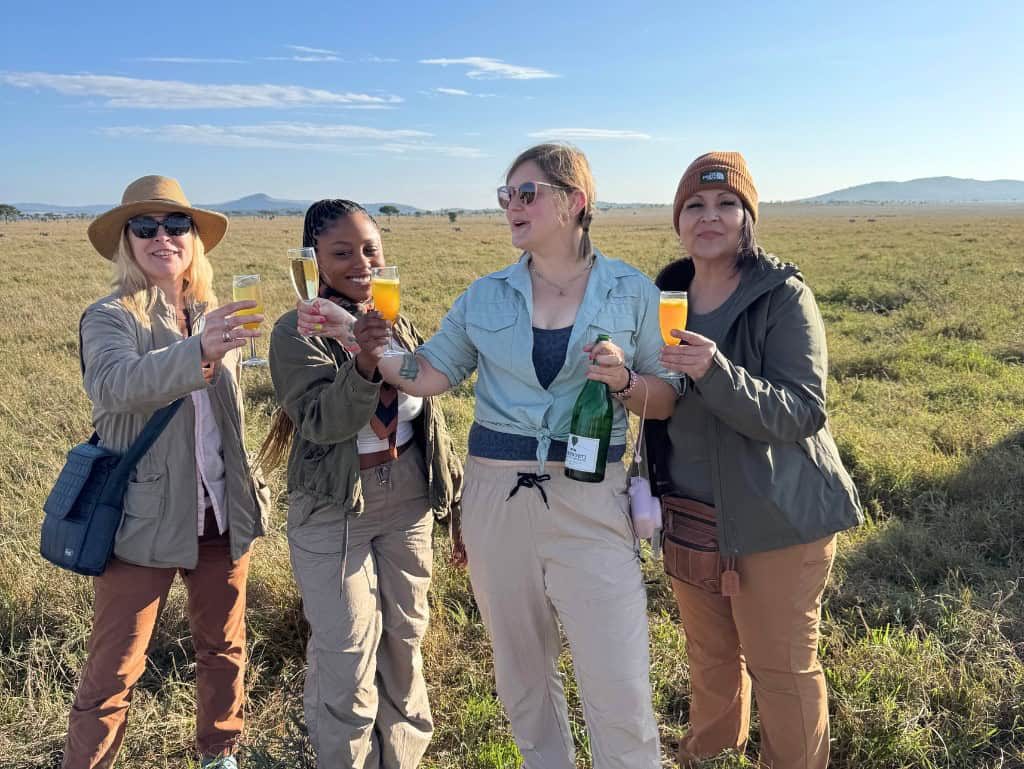
Why Backpacking Is No Longer the Dream for Many Women
Backpacking still has value, but it does not meet every need.
The Emotional Cost of Constant Movement
Moving every few days can feel exciting at first. Over time, it often leads to exhaustion. New beds, new transport systems, and constant planning leave little space to rest.
For solo female travelers, this fatigue can also impact confidence and safety awareness.
When Adventure Starts to Feel Like Survival
Fast travel requires constant alertness. Navigating unfamiliar places repeatedly increases vulnerability. Many women realize that slowing down allows them to travel with more ease and clarity.
The goal shifts from proving bravery to protecting well-being.
Is Slow Travel Replacing Backpacking for Solo Female Travelers?
Rather than replacing backpacking, slow travel is becoming its natural evolution.
Shared Values, Different Pace
Both backpacking and slow travel value independence, curiosity, and growth. The difference lies in how energy is spent.
Backpacking often prioritizes movement. Slow travel prioritizes presence.
Why Slower Travel Feels More Empowering
Slow travel allows women to build confidence gradually. Instead of facing constant unknowns, they learn one place deeply.
Confidence grows through familiarity, not chaos.
Slow travel turns courage into calm strength.
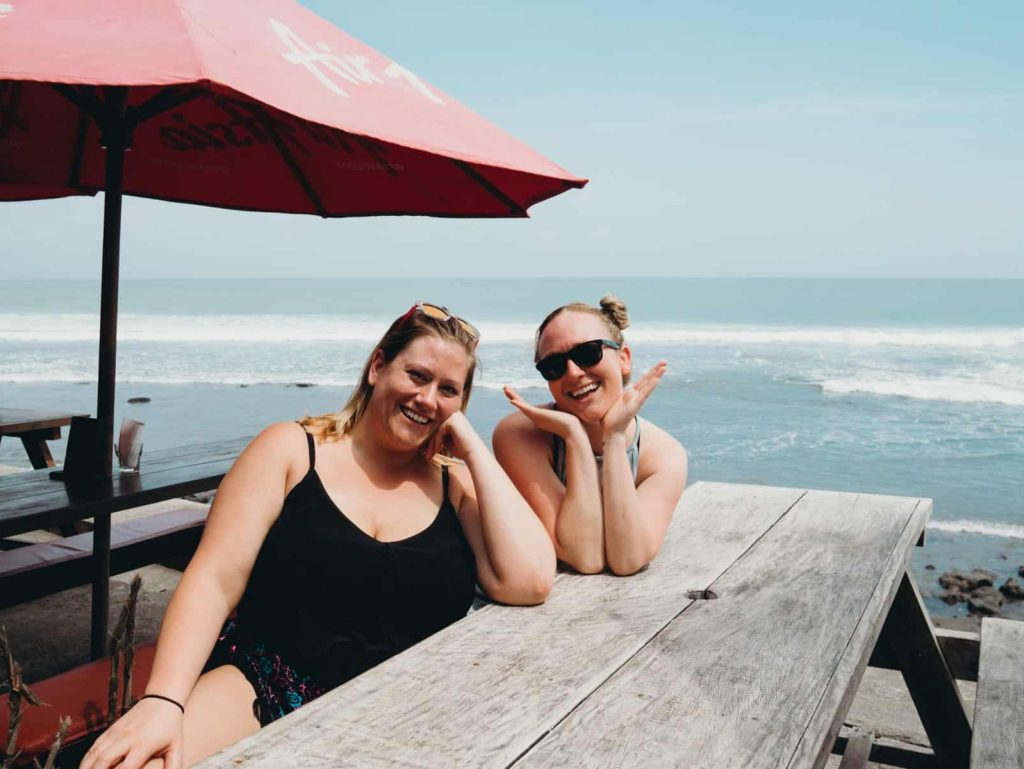
The Safety Benefits of Slow Travel for Women
Safety is one of the biggest reasons women choose to slow down.
Familiarity Reduces Risk
Knowing where things are makes a difference. Familiar streets, trusted routes, and regular schedules help women feel in control of their environment.
Slow travel allows solo female travelers to read social cues more clearly.
Being Recognized Creates Protection
When women stay longer, they become known faces. Local shop owners, neighbors, and café staff notice presence and patterns.
Being recognized often creates informal protection and support.
How Slow Travel Supports Emotional Well-Being
Travel should feel nourishing, not overwhelming.
Less Anxiety, More Peace
Constant travel can heighten anxiety. Decision fatigue and unpredictability add stress. Slow travel creates emotional breathing room.
Days feel balanced instead of rushed.
Space to Process and Reflect
Solo travel often brings personal insight. Slow travel gives time to process those emotions gently.
Journaling, walking, and quiet mornings become part of the journey.
Slow travel supports the inner journey as much as the outer one.
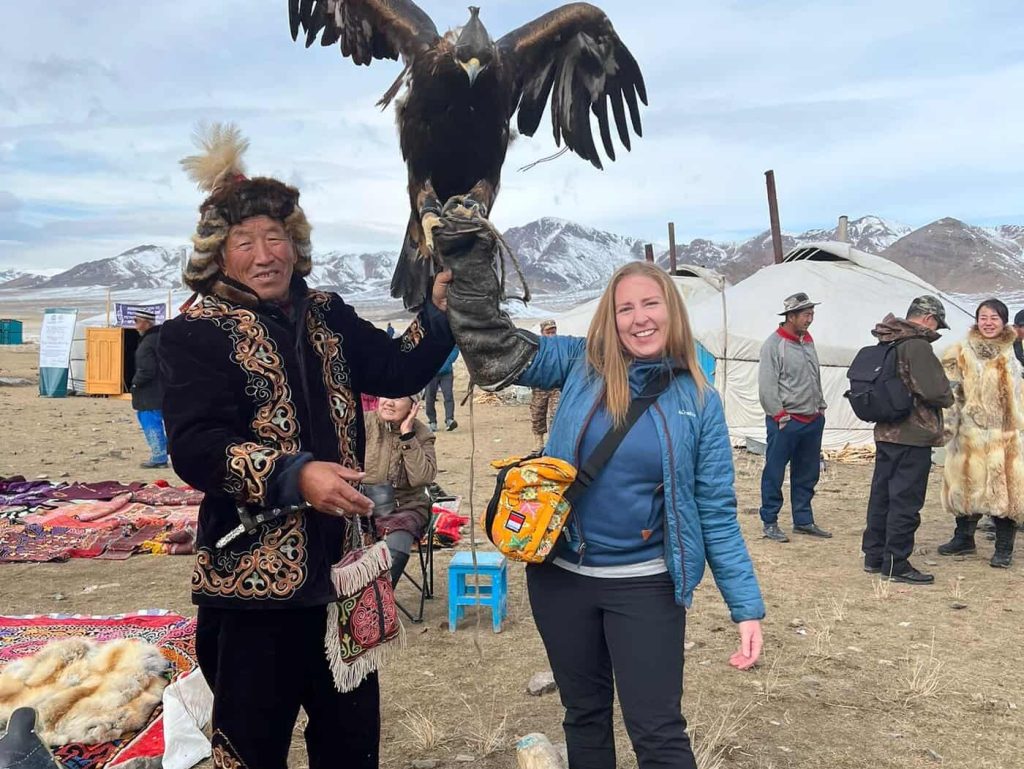
Deeper Cultural Connection Through Staying Longer
Culture is not a performance. It is daily life.
Learning Through Observation
Slow travelers witness everyday routines. Morning markets, school drop-offs, evening walks.
These moments reveal how a place truly functions.
Building Trust With Local Communities
Trust takes time. Slow travel allows conversations to deepen naturally.
For women, this trust often translates into safer and warmer experiences.
Why Slow Travel Makes Language Learning Easier
Language builds confidence and connection.
Repetition Builds Comfort
Hearing the same phrases daily helps women learn without pressure. Ordering food, greeting neighbors, and asking for directions become easier.
Confidence grows with familiarity.
Language Creates Respect and Warmth
Even small efforts inthe local language often receive kindness in return. This mutual respect strengthens connection and safety.
The Financial Benefits of Slow Travel for Solo Female Travelers
Slow travel is often more affordable than expected.
Long-Term Accommodation Saves Money
Monthly stays usually cost less per night. Apartments and guesthouses offer better value for longer bookings.
Cooking meals at home also reduces daily expenses.
Fewer Travel Days, Lower Costs
Constant movement adds up quickly. Transport, luggage fees, and last-minute bookings strain budgets.
Staying put saves both money and energy.
Why Slow Travel Is More Sustainable and Ethical
Many women care deeply about their impact.
Supporting Local Women and Small Businesses
Slow travelers become regular customers. This supports local economies in meaningful ways.
Money stays within the community longer.
Reducing Environmental Impact
Fewer flights and less transportation reduce carbon emissions. Walking and public transport become daily habits.
Slow travel aligns with values of care and responsibility.
Does Slow Travel Feel Lonely for Solo Female Travelers?
Loneliness is possible, but it is manageable.
Choosing Community Intentionally
Unlike hostels, slow travel requires effort to meet people. Language classes, coworking spaces, and community events help.
Connections formed slowly often feel deeper.
Why Group Travel Can Enhance Slow Travel
Structured group trips offer balance. Programs listed on the SoFe Tour Calendar provide cultural immersion with built-in support.
For many women, group slow travel feels both safe and freeing.
How Long Should Solo Female Travelers Stay in One Place?
There is no single rule, but patterns emerge.
The First Week Is About Adjustment
Learning streets, routines, and social norms takes time. The first week is often about settling in.
Comfort grows quickly after this phase.
When Confidence Truly Grows
By the second or third week, women move with ease. Locals recognize faces. Anxiety fades.
A month or more often creates a sense of belonging.
Best Destinations for Slow Travel as a Solo Female Traveler
Some places naturally support longer stays.
Destinations With Strong Community Culture
Countries like Japan, Turkey, and Morocco reward patience and curiosity. Daily life is rich and social.
Women seeking immersive experiences can explore guided journeys in destinations like Japan or Morocco.
Places That Balance Comfort and Culture
Walkability, affordable food, and welcoming social norms make slow travel easier and safer.
Comfort creates space for exploration.
Slow Travel as a Tool for Personal Growth
Slow travel changes women in quiet but powerful ways.
Learning to Trust Oneself
Navigating daily life in a new culture builds self-trust. Small successes add up.
Confidence grows without pressure.
Redefining What Adventure Means
Adventure no longer means constant motion. It means presence, awareness, and connection.
Slow travel proves that bravery can be gentle.
Is Slow Travel Right for Every Solo Female Traveler?
Slow travel is a choice, not a requirement.
When Faster Travel Makes Sense
Limited vacation time, specific goals, or multi-country trips may call for faster travel.
There is no wrong way to explore.
Blending Slow and Fast Travel
Many women mix styles. Slow travel in one place, faster movement between regions.
Flexibility allows travel to fit real life.
Why Slow Travel Reflects the Future of Women’s Travel
Women’s travel is becoming more intentional.
Travel That Honors Emotional Needs
Women are prioritizing safety, rest, and meaning. Slow travel supports all three.
It feels aligned with how women want to move through the world.
Choosing Depth Over Performance
Rather than collecting photos, women are collecting understanding.
Slow travel allows women to travel for themselves, not for proof.
FAQs About Slow Travel for Solo Female Travelers
1. Is slow travel safer than backpacking for women?
Often yes. Familiarity, routine, and community support increase safety and confidence.
2. How long should solo female travelers stay in one place?
Most benefits appear after two weeks, with one month offering a deeper connection.
3. Is slow travel affordable for solo travelers?
Yes. Long-term accommodation and reduced transport costs often lower expenses.
4. Can introverted women enjoy slow travel?
Absolutely. Slow travel supports quiet routines and personal space.
5. Does slow travel work for first-time solo female travelers?
Yes. Staying longer can feel less overwhelming than constant movement.