
Safari travel is surging for women who want something deeper than a typical vacation. It is not just about spotting lions or taking sunset photos. It is about freedom, confidence, and stepping into landscapes that feel bigger than everyday life.
More women than ever are choosing safari travel as their next great adventure. And the reasons go far beyond wildlife.
For years, safari travel was often seen as something reserved for honeymooners, retirees, or luxury travelers. But that story is changing quickly. Women of all ages are booking safari trips, both solo and in small groups, drawn by the mix of adventure and safety, beauty and stillness, thrill and grounding.
Safari travel offers something many women are craving right now. Space. Clarity. Confidence. It feels bold, but it also feels supported.
From the sweeping plains of Tanzania to the gorilla forests of Uganda, the African continent is welcoming women travelers in new and powerful ways.
Why Is Safari Travel Surging for Women?
It Feels Empowering
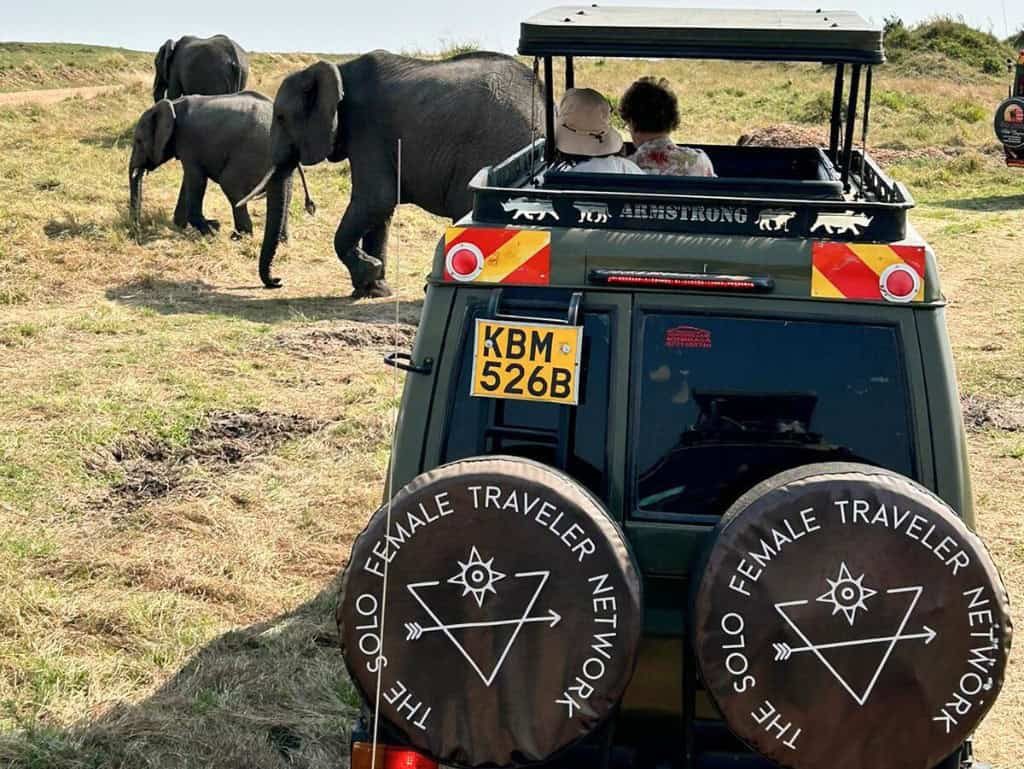
There is something deeply empowering about sitting in an open safari vehicle as the sun rises over the savanna. Watching elephants cross the horizon. Hearing lions call in the distance.
Safari travel reminds women how small they are in the best possible way. It shifts perspective. It quiets the noise of everyday life.
Many women describe safari as a confidence reset. They return home feeling braver. More grounded. More sure of themselves.
Being in the wild teaches presence. And presence builds confidence.
It Balances Adventure and Safety
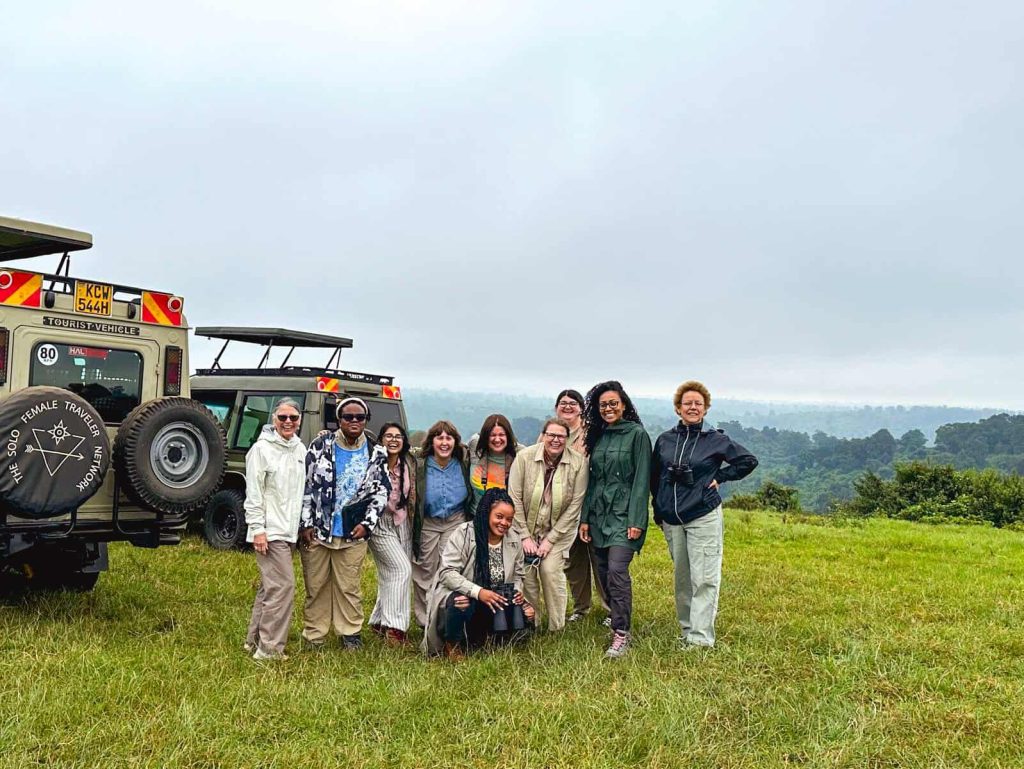
Safety is often the first concern when women consider travel to Africa. The reality is that safari destinations such as Tanzania, Kenya, and Uganda have well-developed safari infrastructures designed specifically for tourism.
National parks like Serengeti National Park and Bwindi Impenetrable National Park operate with trained guides, structured game drives, and regulated accommodations.
According to the World Tourism Organization and global travel data from UN Women, women are traveling solo at higher rates than ever before. Safari travel fits into this trend because it offers structured exploration. Women can experience remote landscapes without being alone in unfamiliar cities.
Infrastructure reduces uncertainty.
What Makes Safari Travel So Different?
The Wildlife Is Just the Beginning
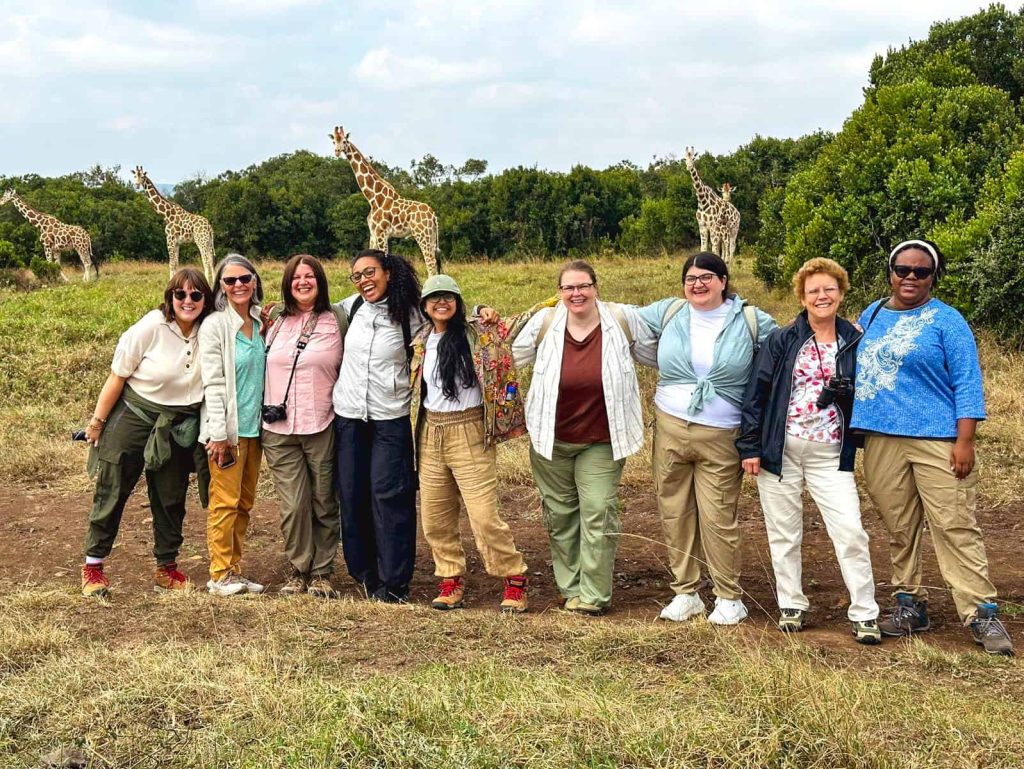
Of course, there are the animals. Lions resting in tall grass. Elephants walking in family lines. Giraffes moving like poetry against the skyline.
In places like Serengeti National Park, travelers witness the Great Migration, one of the most powerful wildlife events on earth. In Uganda, gorilla trekking in Bwindi Impenetrable National Park offers a rare and emotional encounter with mountain gorillas.
But safari travel is about more than animals.
It is about early mornings with coffee in hand as the sky turns pink. It is about quiet conversations in open-air lodges. It is about listening to nature without headphones.
Safari slows everything down.
It Encourages Real Connection
Many women say they are tired of surface-level travel. Quick city breaks. Packed itineraries. Endless photo stops.
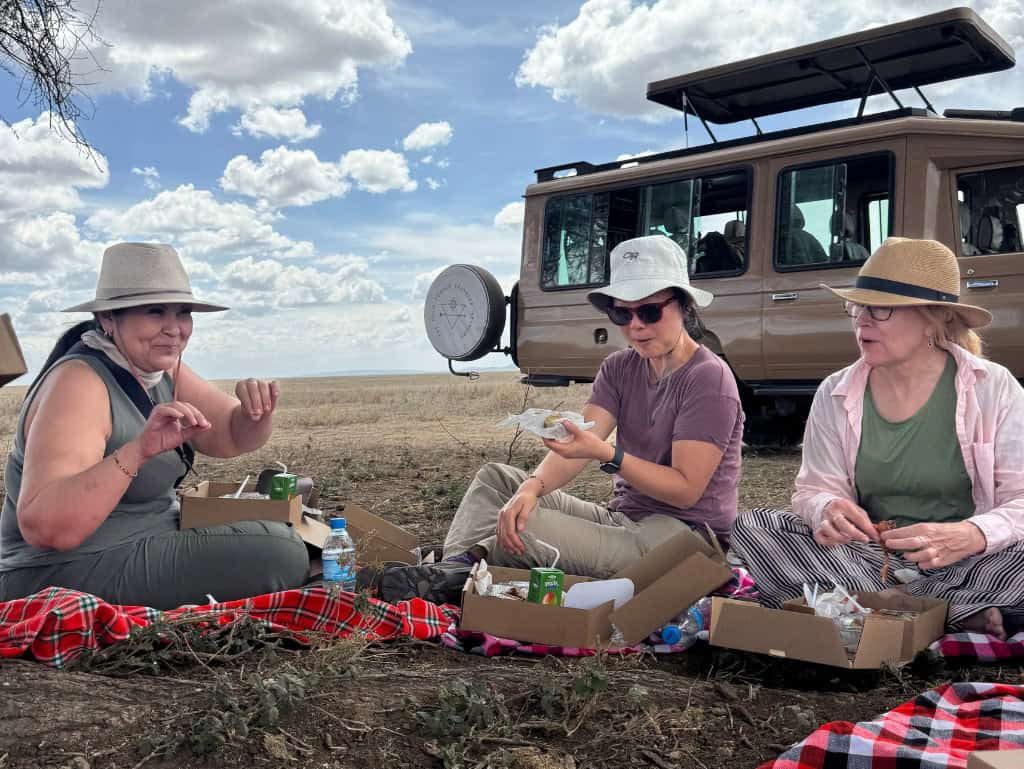
Safari travel invites something else. Long drives through open land. Shared stories under the stars. Meals around a communal table.
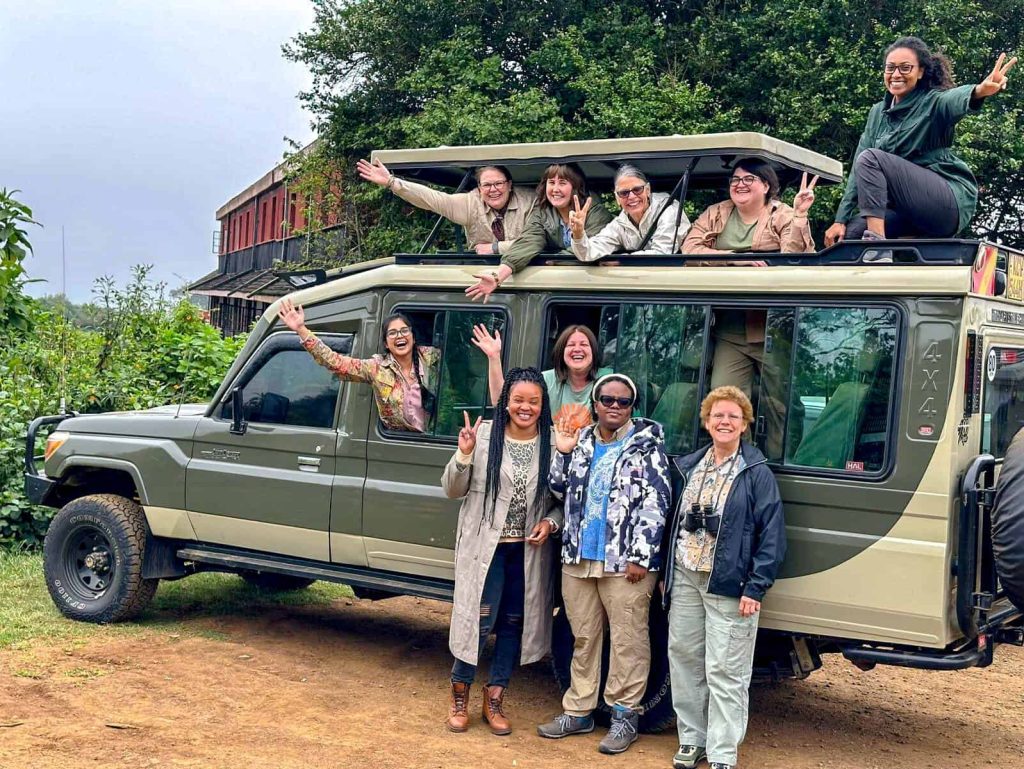
This is why women’s group safaris are rising in popularity. Traveling with other women creates a safe and supportive space. Friendships form naturally when there is no rush and no pressure to perform.
Adventure feels richer when it is shared.
Is Safari Travel Safe for Women?
This is one of the most searched questions online. And it deserves an honest answer.
Yes, safari travel can be very safe for women when booked through trusted operators and guided programs. Safari tourism in countries like Tanzania and Uganda is highly organized. Lodges are often gated, guides are certified, and national parks operate under strict regulations.
The U.S. State Department and the U.K. Foreign Office provide up-to-date travel advisories, and most safari regions are designated as safe tourism zones.
The key is thoughtful planning.
Women traveling with established groups or reputable companies benefit from vetted accommodations, local expertise, and logistical support.
Preparation creates peace of mind.
Why Now? Why Is Safari Travel Surging in 2026?
Women Are Choosing Experiences Over Things
There has been a cultural shift. More women are investing in experiences that change them.
A safari is not just a vacation. It is a story. A personal milestone. A moment that feels bigger than daily routines.
Post-pandemic travel trends show that people are prioritizing meaningful trips over material purchases. Safari travel fits that desire perfectly.
Social Media Is Expanding Horizons
Platforms like Instagram and TikTok have reshaped travel inspiration. Women see other women standing confidently in safari jeeps or walking through golden grasslands.
The narrative has changed. Safari is no longer viewed as rugged or inaccessible. It is seen as beautiful, bold, and doable.
And once women realize it is possible, they start planning.
What Does a Typical Safari Day Look Like?
Many women are surprised by how comfortable and structured safari travel feels.
A typical day might include:
Early morning game drive at sunrise
Midday rest at a lodge or tented camp
Afternoon wildlife viewing
Dinner under the stars
Lodges range from simple eco-camps to luxury tented suites with private decks. The focus is often on sustainability and community impact.
Comfort and adventure coexist beautifully on safari.
The Emotional Impact of Safari Travel
Safari travel has a way of staying with women long after the flight home.
There is something transformative about seeing wildlife in its natural habitat. About disconnecting from constant notifications. About waking up to birds instead of alarms.
Many women describe feeling:
Clearer about their goals
More confident in their independence
Reconnected to nature
Grateful in a deeper way
The vastness of places like the Serengeti reminds travelers that life is bigger than their inbox.
And that reminder matters.
And that reminder matters.
Safari Travel Supports Local Communities
Women travelers often care deeply about where their money goes.
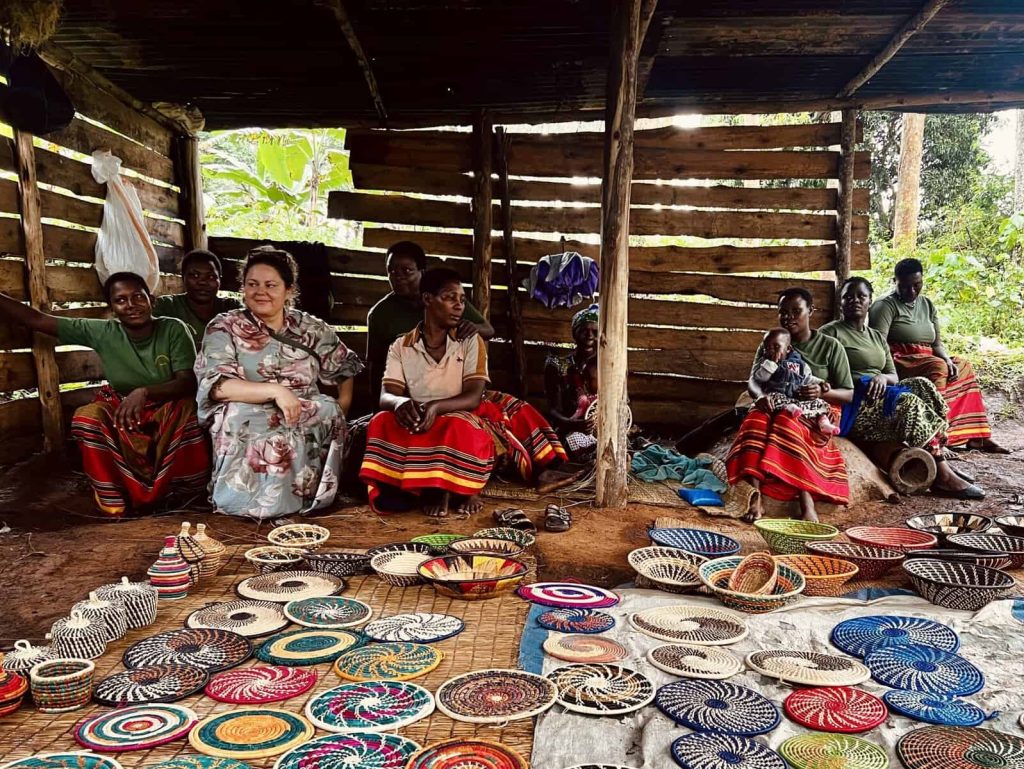
Safari tourism contributes significantly to conservation and local employment. National parks depend on visitor fees to protect wildlife habitats. Many lodges partner with local communities and support education and women-led initiatives.
Organizations like the African Wildlife Foundation highlight how responsible tourism supports conservation efforts.
When done responsibly, safari travel creates a positive impact.
This matters to women who want their adventures to align with their values.
Who Is Booking Safari Travel?
It is not just one type of woman.
Safari travelers include:
Solo women in their 30s seeking independence
Women in their 40s and 50s are celebrating life transitions
Friends marking milestone birthdays
Empty nesters rediscovering adventure
Digital nomads adding depth to remote work lifestyles
The common thread is curiosity. And courage.
Safari travel appeals to women who want something beyond ordinary tourism. Something that stretches them.
How to Plan a Safari as a Woman
Planning a safari does not need to feel overwhelming. Here are a few starting points:
1. Choose the Right Country
Tanzania is known for classic wildlife experiences and the Great Migration. Uganda offers intimate gorilla trekking in dense forests.
Both are strong options for women travelers.
2. Decide Between Solo and Group
Some women prefer independent travel with a private guide. Others love the built-in community of women-only group trips.
Group safaris often reduce stress because logistics are handled in advance.
3. Research Ethical Operators
Look for companies that:
Employ local guides
Support conservation efforts
Prioritize traveler safety
Maintain strong reviews
Reputable sources like Lonely Planet and tourism boards can provide helpful insights.
4. Pack Smart
Neutral clothing. Layers for cool mornings. Sunscreen. A good camera.
And an open mind.
The Deeper Reason Safari Travel Is Surging for Women
At its heart, the rise in safari travel reflects something bigger.
Women are expanding their sense of what is possible.
They are choosing destinations once considered far away or intimidating. They are investing in experiences that challenge and inspire them. They are traveling not just to see, but to feel.
Safari travel answers a quiet question many women carry.
What would it feel like to be fully present in the wild?
The answer is powerful.
And more women are discovering it every year.
Frequently Asked Questions: Safari for solo female travelers
1. Is safari travel safe for solo women?
Yes, safari travel can be very safe when booked through trusted operators or guided group trips. National parks in Tanzania and Uganda are well-regulated and tourism-focused.
2. What is the best country for a first safari?
Tanzania is often recommended for first-time safari travelers due to its iconic wildlife and established infrastructure. Uganda is ideal for women who want a unique experience like gorilla trekking
.
3. Is safari travel expensive?
Safari travel can range from mid-range to luxury. Group trips often provide strong value because transportation, guides, and accommodations are bundled together.
4. What should women pack for safari travel?
Comfortable neutral clothing, sturdy shoes, sunscreen, a hat, insect repellent, and layers for cooler mornings and evenings.
5. Why is safari travel becoming more popular with women?
Safari travel offers empowerment, structured adventure, community, and meaningful connection to nature. Many women are prioritizing transformative experiences over traditional vacations.