Egypt, with its vast history, stunning landscapes, and rich culture, is a dream destination for many travelers. But for solo female travelers, Egypt can feel like a bold, adventurous choice. With proper planning and an open mind, the Land of the Pharaohs offers an unforgettable experience.
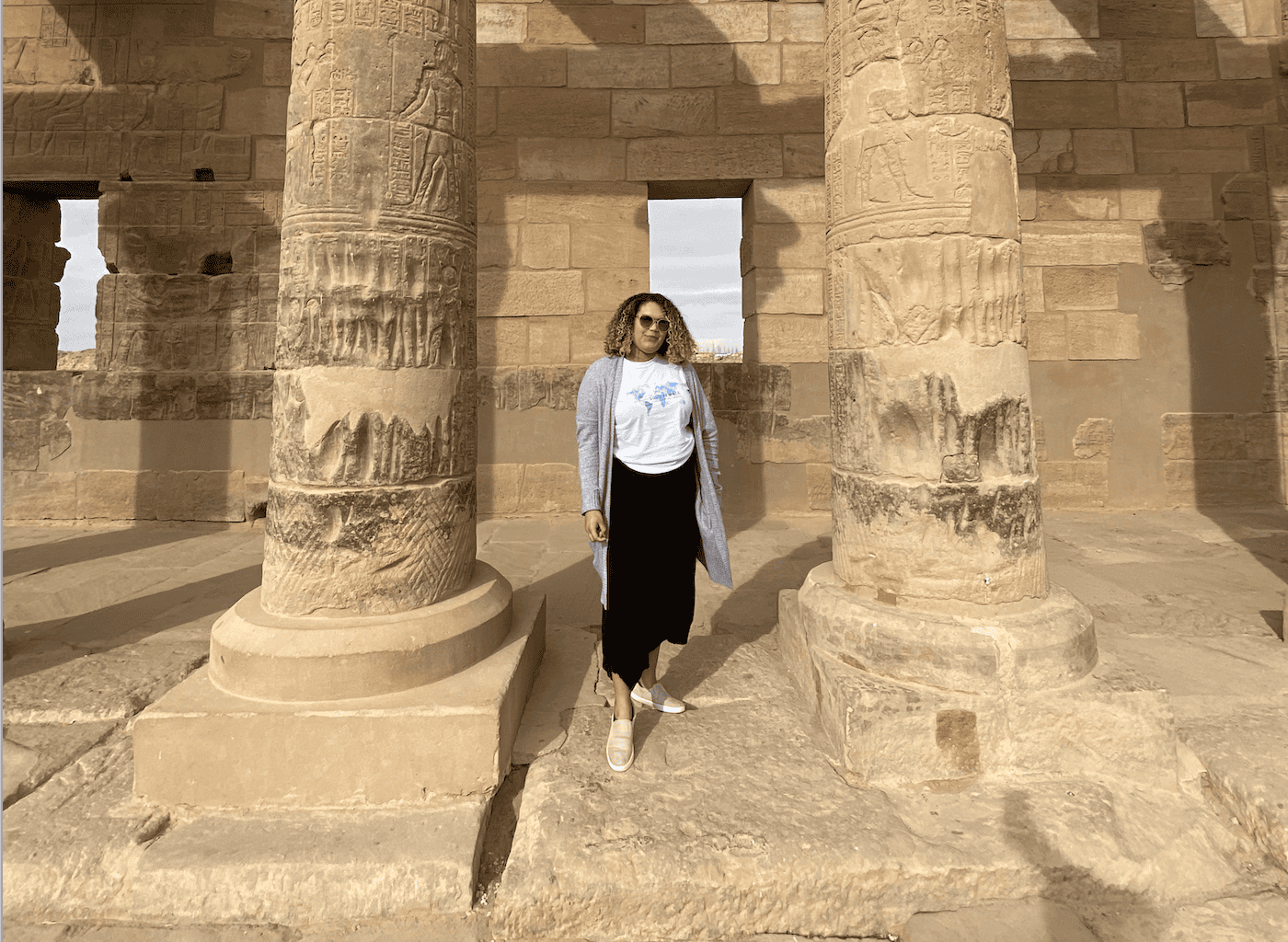
From the ancient pyramids to the serene Nile River, solo female travelers are bound to find both history and modernity intertwined, creating a unique and enriching journey.
If you’re looking for a safe, exciting, and enriching adventure, consider joining a carefully curated tour, like the one offered by The Solo Female Traveler Network. Our Egypt tour is designed with solo women in mind, ensuring a supportive and empowering travel experience.
Table of Contents
Safety for Solo Female Travelers in Egypt: What You Need to Know
Egypt is a country rich in history and culture, but like many travel destinations, it has its complexities when it comes to safety, especially for solo female travelers. While Egypt can be an incredible place to visit, it’s crucial to approach your trip with a solid understanding of the security landscape, cultural dynamics, and ways to stay safe while enjoying all that this historic land has to offer.
In recent years, Egypt has seen a marked increase in tourism, especially following security improvements in popular tourist areas. However, the safety of solo female travelers is often a topic of concern due to potential risks related to harassment, unwanted attention, and navigating public spaces alone. To give you a clearer picture, let’s break down some of the safety considerations and how to handle them.
Travel Advisories and General Safety Concerns
First and foremost, it’s essential to be aware of travel advisories issued by your government or trusted international organizations. According to the U.S. Department of State and the UK’s Foreign, Commonwealth & Development Office (FCDO), the primary tourist areas such as Cairo, Luxor, and Sharm El Sheikh are generally safe, with increased security in place at major tourist attractions. However, travel to certain areas—particularly the Sinai Peninsula and near the borders with Libya or Sudan—should be avoided due to ongoing conflicts and security concerns.
Statistics show that violent crime against tourists in Egypt is relatively low compared to other countries, but petty crime such as pickpocketing can be a concern, especially in crowded areas or on public transportation. These crimes are more common in busy spots like the bazaars of Cairo and major tourist sites, and often involve opportunistic theft rather than direct threats to personal safety.
One significant aspect of safety for women traveling alone in Egypt is the cultural context, especially regarding gender dynamics. While local Egyptian women are often seen in public spaces with male family members, women traveling solo may stand out, which can lead to unwanted attention or harassment. This is an issue that should not be underestimated, but with preparation and knowledge, it can be navigated successfully.

The Issue of Catcalling: Why It Happens and How to Deal with It
Catcalling, or street harassment, is a form of verbal harassment where women are subjected to unsolicited comments, whistles, or propositions while in public spaces. Unfortunately, this is a common experience for many women traveling to Egypt. It is important to understand that catcalling, while unacceptable, is deeply ingrained in the culture and can often be linked to societal attitudes toward gender roles.
In Egypt, there is a complex interplay of factors that contribute to this behavior. Catcalling is often a reflection of how women are perceived in public life. In many parts of Egypt, traditional gender roles are still strongly observed, and women who appear in public without a male escort can be seen as “out of place” or a curiosity. For many men, this may result in unsolicited comments or attention. It’s also worth noting that the dynamics of catcalling are more prevalent in certain areas and tend to decrease in more tourist-centric places where people are used to seeing visitors from all walks of life.
Cultural Sensitivity Around Catcalling
While frustrating, catcalling is a cultural issue that should be approached with understanding. It’s not an excuse for disrespect, but recognizing that it comes from a place of cultural conditioning can help manage your expectations and reactions. Many locals don’t see this behavior as inappropriate but rather as part of the societal landscape. That being said, it’s important to remain assertive in dealing with these situations, especially as a solo female traveler.
How to Deal with Catcalling and Harassment in Egypt
Here are some tips for handling unwanted attention and catcalling in Egypt:
Stay Confident and Assertive: The best way to deal with catcalling is to remain confident. If you’re approached with an inappropriate comment or gesture, the most effective response is often to ignore it completely. Many men won’t persist if you don’t acknowledge them.
Use Direct Communication: If ignoring the person doesn’t work, don’t hesitate to respond with a firm “no” or “please leave me alone.” You don’t need to be confrontational, but it’s important to assert your boundaries.
Use Your Body Language: Keep your posture strong and make eye contact. People are less likely to harass you if they sense you are unapproachable and confident in your space.
Seek Help from Locals: Egyptians, especially in tourist-heavy areas, are used to travelers. If you’re in a situation where you feel uncomfortable or threatened, don’t hesitate to seek help from a local or nearby store owner. Most people will respond positively to someone in need of assistance.
Dress Modestly but Comfortably: Dressing in a way that aligns with local customs—by covering your shoulders and knees—can reduce the likelihood of attracting unwanted attention. While Egypt has become more accustomed to tourists, showing respect for local norms will make your experience smoother.
Choose Your Accommodation and Activities Wisely: Opt for female-friendly hotels or hostels, and avoid isolated locations when possible. Booking a tour with The Solo Female Traveler Network, for example, ensures that you are in a group of like-minded women, making you feel safer and part of a supportive community.
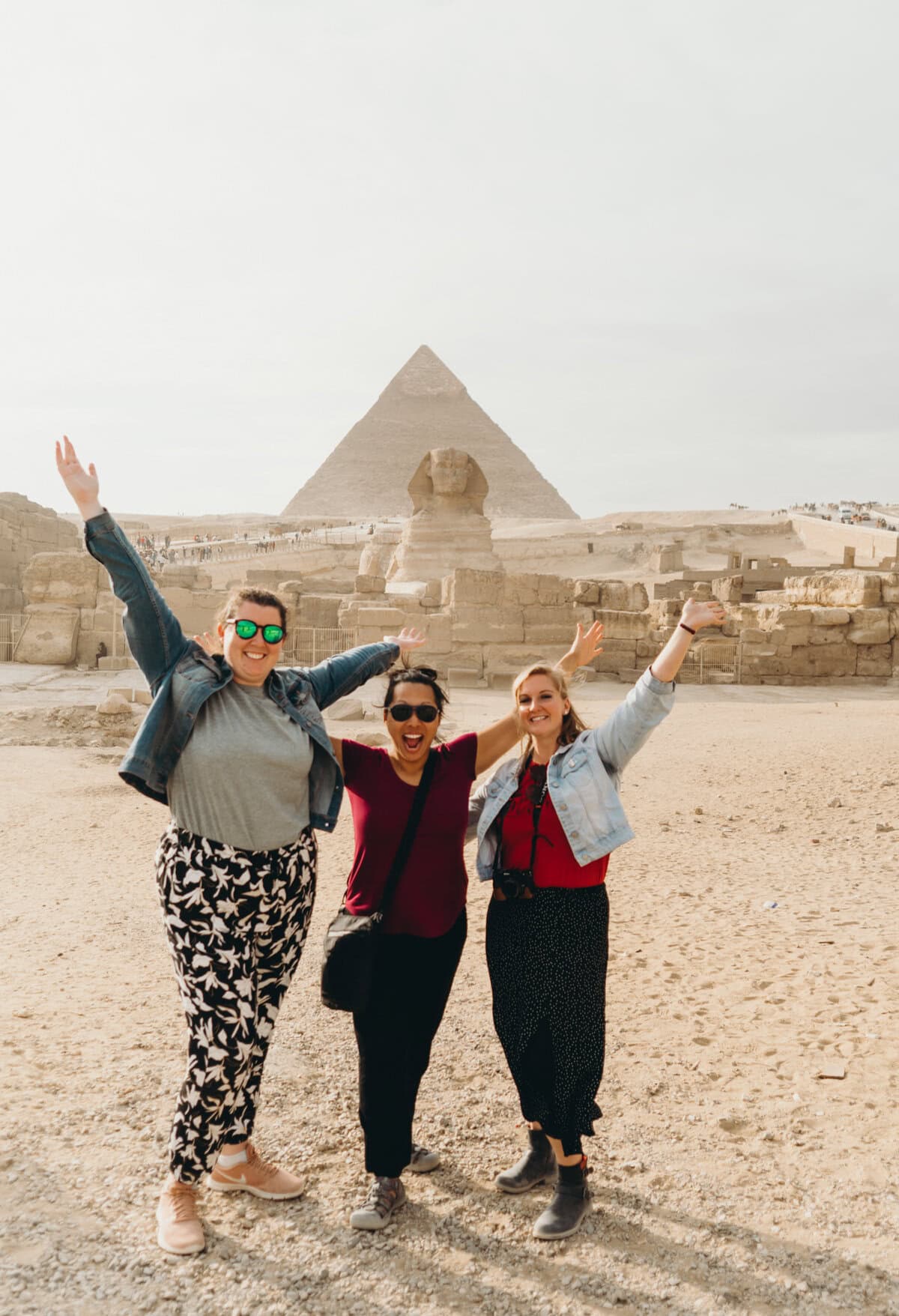
Navigating Solo Travel in Egypt: Tips for Staying Safe
When traveling solo in Egypt, here are a few things to keep in mind:
Getting Around: Egypt has a range of transportation options, including taxis, buses, and trains. In cities like Cairo, Uber and Careem are widely used and can provide a safer and more reliable option than traditional taxis. For longer distances, trains or flights are common options.
Where to Stay: Egypt has a range of accommodations, from budget hostels to luxury hotels. For solo travelers, it’s recommended to choose well-known international chains or female-friendly hostels. If you’re looking for a more supportive travel experience, consider booking a place with other solo travelers, or book one of our specialized solo tours to connect with fellow women on the road.
Staying Healthy: Stay hydrated and stick to bottled water to avoid getting sick. If you plan to visit the desert or remote areas, bring sunscreen, a hat, and comfortable shoes. The heat in Egypt can be intense, so it’s important to take care of yourself.
Money Matters: The Egyptian Pound (EGP) is the local currency. While credit cards are accepted in many places, it’s best to carry cash, especially when traveling to more remote areas or shopping in markets.
Make a Scene if You Are in Danger: If you ever find yourself in a dangerous situation or someone is hurting you, don’t hesitate to make a scene. Shout, scream, or draw attention to what’s happening—this will often attract help from bystanders. In Egypt, as in many places, people tend to respond when they see someone in need. By drawing attention, you significantly increase your chances of receiving aid.
- Choose Female-Friendly Tours: For those looking to avoid the stress of navigating these challenges alone, joining a women-only tour group to Egypt like those organized by The Solo Female Traveler Network offers the perfect balance of exploration and safety. In a supportive group, you’ll not only enjoy a curated travel experience but also have access to a trusted network of fellow solo travelers who understand your needs.
Top Destinations for Solo Female Travelers in Egypt
Egypt offers a plethora of destinations perfect for solo female travelers. Here are some of the must-visit locations:
Cairo: The bustling capital of Egypt is an exciting mix of history, culture, and modernity. Visit the iconic Pyramids of Giza, marvel at the Egyptian Museum, and explore the vibrant bazaars. Cairo is also home to a growing number of women-only tours and activities, perfect for solo female travelers.
Luxor: Known as the world’s greatest open-air museum, Luxor is home to some of Egypt’s most famous temples and tombs. The Valley of the Kings, Karnak Temple, and the Temple of Luxor are just a few of the historical wonders waiting to be explored. Luxor’s laid-back vibe makes it a great destination for solo travelers.
Aswan: A serene escape from the hustle and bustle of Cairo, Aswan offers tranquil boat rides on the Nile and a slower pace of life. Visit the Philae Temple, take a day trip to Abu Simbel, and enjoy the beautiful views of the Nile. This destination is ideal for those looking to relax and soak in Egypt’s peaceful charm.
Sharm El Sheikh and Hurghada: For solo female travelers seeking adventure and relaxation, the Red Sea resorts of Sharm El Sheikh and Hurghada offer incredible diving, snorkeling, and beach resorts. These cities are well-equipped for tourists and have a thriving solo travel community.

What to Pack for Your Egypt Adventure
Packing for Egypt requires a mix of comfort and cultural respect. Here’s a packing list to help you prepare:
Clothing: Loose-fitting, breathable clothing that covers your shoulders and knees is ideal for women in Egypt. Light scarves and shawls are also handy for covering your head when visiting religious sites.
Essentials: Don’t forget a good pair of walking shoes for exploring ancient ruins, as well as sunscreen, a hat, and sunglasses for protection from the sun.
Health and Safety Items: A first-aid kit, hand sanitizer, and any necessary medications are essential. It’s also wise to bring a water bottle to stay hydrated.
How to Dress as a Solo Female Traveler in Egypt
When traveling to Egypt as a solo female, your choice of clothing is an important consideration not only for your comfort but also to show respect for local customs and ensure your safety. While Egypt is becoming more accustomed to international tourists, it’s still a predominantly Muslim country with conservative views on modesty, especially for women. Dressing appropriately will help you blend in, avoid unwanted attention, and show respect for the culture.
Here are some key tips on how to dress as a solo female traveler in Egypt:
Dress Modestly: Egypt has a conservative dress code, and it’s important to dress modestly to avoid drawing unwanted attention. While you’re not required to wear a full-body covering, it’s best to avoid clothes that are too revealing. Women should cover their shoulders, cleavage, and knees in public. This is particularly important in more traditional areas and when visiting religious sites, such as mosques.
Opt for Loose-Fitting Clothing: To keep cool in Egypt’s hot climate while still adhering to cultural norms, opt for loose-fitting, breathable fabrics like cotton or linen. These materials will keep you comfortable and allow you to move freely. Avoid tight-fitting clothes or anything too flashy that may draw unwanted attention. Long skirts, dresses, or trousers and tops with sleeves are great options.
Headscarves for Religious Sites: If you plan to visit mosques or other religious sites, it’s respectful to cover your head with a scarf. Even in less conservative areas, it’s a good idea to carry a scarf with you to cover your hair when necessary. You don’t need to wear a headscarf at all times, but you should have one handy when entering sacred spaces.
Footwear: Comfortable shoes are essential for exploring Egypt, especially if you plan on visiting ancient ruins, temples, and pyramids. Flat sandals, sneakers, or closed-toe shoes are practical choices. Avoid wearing open-toed shoes or flip-flops in religious sites or conservative areas to maintain respect for local customs.
Swimwear: While it’s okay to wear a swimsuit at beach resorts or by hotel pools, it’s important to cover up when leaving those areas. In Egypt, it’s generally considered inappropriate to walk around in swimwear outside of designated areas. If you’re at the beach or pool, bring a cover-up to wear when not in the water.
Avoid Flashy Jewelry: As a solo female traveler, it’s best to avoid wearing expensive jewelry or accessories that may make you stand out in crowds or attract unwanted attention. Opt for simple, understated pieces that don’t scream wealth.
Respecting Local Norms in Rural Areas: In rural or more conservative regions of Egypt, it’s especially important to dress modestly. While cities like Cairo are more accustomed to seeing tourists, rural areas may be more traditional, and dressing too casually or revealingly can attract negative attention or make you feel uncomfortable.
What to Pack: When packing for your trip, bring lightweight clothing that covers your body but also keeps you cool. A few versatile scarves, long skirts or pants, and shirts with sleeves will give you plenty of options to mix and match. If you’re planning to do a desert tour or trek, bring a hat and sunglasses for sun protection.
By dressing appropriately, you’ll show respect for Egyptian culture while also staying cool and comfortable. It will also help you blend in with the locals, making you feel more at ease during your solo adventure. For a complete packing list for solo female travelers going to Egypt, check out our guide.
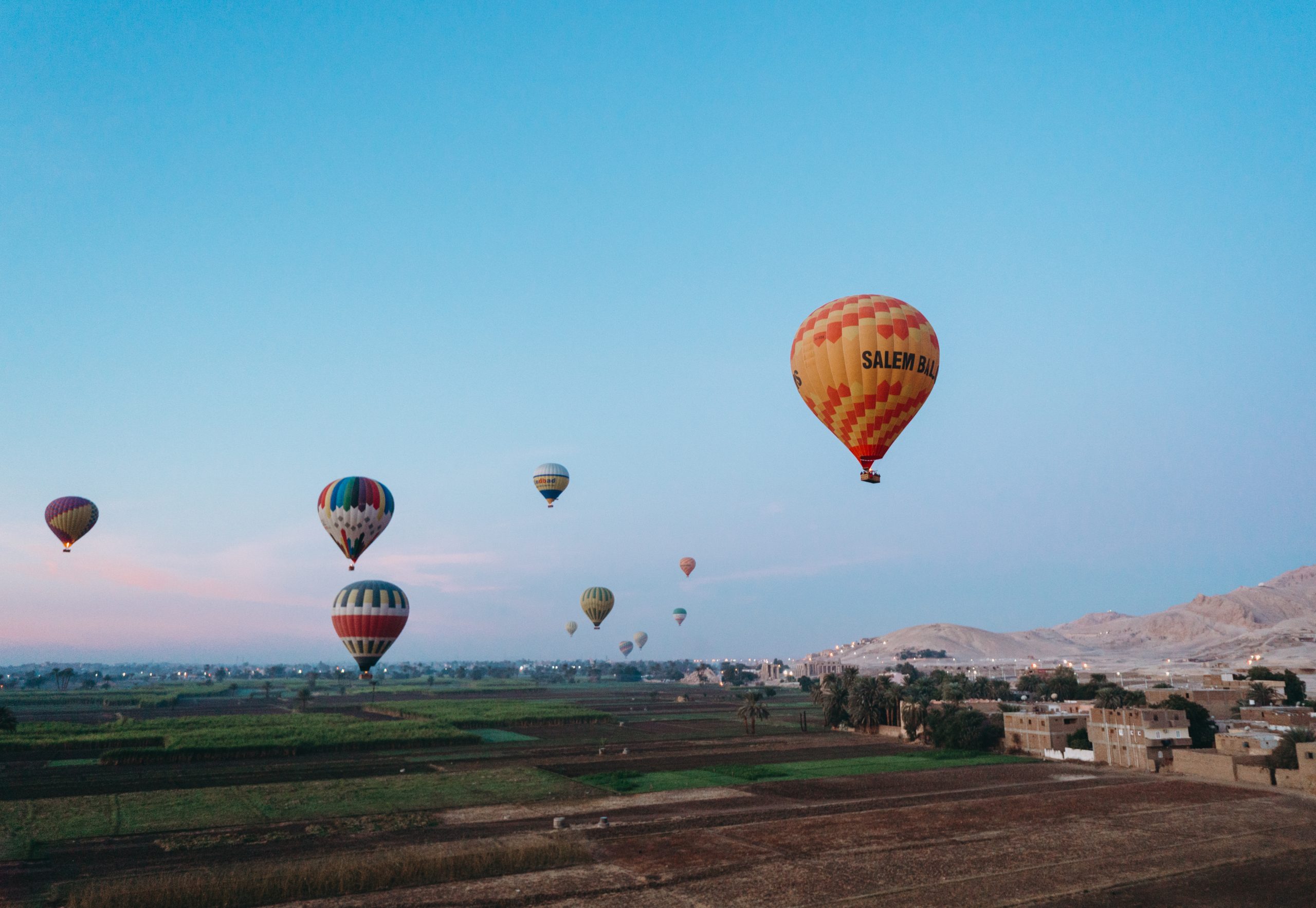
Conclusion: Why Egypt is an Empowering Destination for Solo Women
While Egypt can present challenges for solo female travelers, these can be mitigated with preparation, confidence, and respect for local customs. Understanding the cultural context of behaviors like catcalling allows you to navigate these situations with grace and ease. By staying informed, traveling smart, and connecting with a supportive community of like-minded women, you can experience all the wonders Egypt has to offer while ensuring your personal safety and comfort.
Solo travel in Egypt can be an enriching, empowering journey full of history, adventure, and unforgettable experiences. And with the right support—whether from local guides, trusted transportation, or a well-curated tour by The Solo Female Traveler Network—you’ll have all the tools to make your Egypt trip as enjoyable and safe as possible.
FAQ: Solo Female Travel in Egypt
1. Is Egypt safe for solo female travelers?
Egypt is generally safe for solo female travelers, especially in popular tourist areas like Cairo, Luxor, and Sharm El Sheikh. However, like any destination, it’s important to stay aware of your surroundings, take common safety precautions, and be mindful of cultural norms. Joining a group tour designed for women, like those offered by The Solo Female Traveler Network, can provide additional peace of mind.
2. What should I wear in Egypt as a solo female traveler?
Modesty is key in Egypt, so it’s best to dress conservatively by covering your shoulders, cleavage, and knees. Loose-fitting clothing made from breathable fabrics like cotton or linen is ideal for comfort and respect for local culture. A scarf is useful for covering your hair when visiting religious sites.
3. How do I handle catcalling or unwanted attention in Egypt?
Catcalling is unfortunately common in Egypt, especially in busy or more conservative areas. The best approach is to stay confident, ignore inappropriate comments, and assertively say “no” or “please leave me alone” if necessary. Staying calm and maintaining strong body language will discourage further attention.
4. What is the best way to get around Egypt as a solo female traveler?
Uber and Careem are safe and reliable transportation options in cities like Cairo. For longer trips or visits to remote areas, taxis, trains, or domestic flights are good alternatives. Always agree on the fare before using a taxi, or use apps to avoid overcharging.
5. Can I drink the tap water in Egypt?
It’s recommended to avoid drinking tap water in Egypt. Stick to bottled water, which is widely available, to prevent stomach issues. Also, be cautious when consuming street food or ice made from tap water.
6. Is it safe to travel alone in rural or less touristy areas of Egypt?
While Egypt’s main tourist destinations are relatively safe, rural areas may have more conservative social norms, and it’s advisable to dress modestly and remain cautious. Solo travel in less touristy areas can be safe, but it’s important to do thorough research and, where possible, travel with a guide or as part of a group tour.
7. Should I join a guided tour in Egypt?
Joining a guided tour, especially one designed for solo female travelers, can be a great way to explore Egypt safely. Tours like those offered by The Solo Female Traveler Network provide the opportunity to connect with other women and have the support of a group, making your experience more enjoyable and secure.
8. What are the best destinations in Egypt for solo female travelers?
Popular destinations like Cairo, Luxor, Aswan, and Sharm El Sheikh are perfect for solo female travelers. They offer a mix of ancient history, cultural experiences, and modern comforts. These cities are well-equipped for tourists and have plenty of female-friendly activities and accommodations.
9. How can I stay connected while traveling in Egypt?
SIM cards with data are easily available in Egypt, and local internet services are generally reliable. Wi-Fi is common in most hotels and cafes, but it’s a good idea to have a local SIM card for easy access to maps, communication, and travel information while on the go.
10. How can I ensure my safety while traveling alone in Egypt?
To stay safe, always keep your phone charged and share your travel plans with someone you trust. Stick to well-known tourist areas during the day, avoid walking alone after dark, and use reliable transportation options. If you’re ever in an uncomfortable or dangerous situation, don’t hesitate to make a scene—locals are likely to offer help if they see someone in need.